Sleeping well for little money rarely depends on one clever booking trick. It depends on timing, patience, and widening the search far beyond dorm beds. Guest rooms in family homes, term time university rooms, house sitting swaps, and longer rental stays each reward a different kind of traveller. Work through the search in stages, compare total comfort against nightly cost honestly, and the cheapest suitable bed often turns out calmer, quieter, and more private than expected.
Cheap lodging fails when travellers chase the lowest nightly figure and ignore sleep quality, location, cancellation terms, and the cost of reaching everything else. A bed far from transport can eat its own saving in fares and tired evenings. Working in phases prevents that trap: widen the field first, compare whole stays honestly, explore sharing arrangements, negotiate where time allows, and only then pay after safety checks. Each phase narrows the field without narrowing imagination too early.
Phase One: Widen the Search Beyond Dorm Beds and Chains
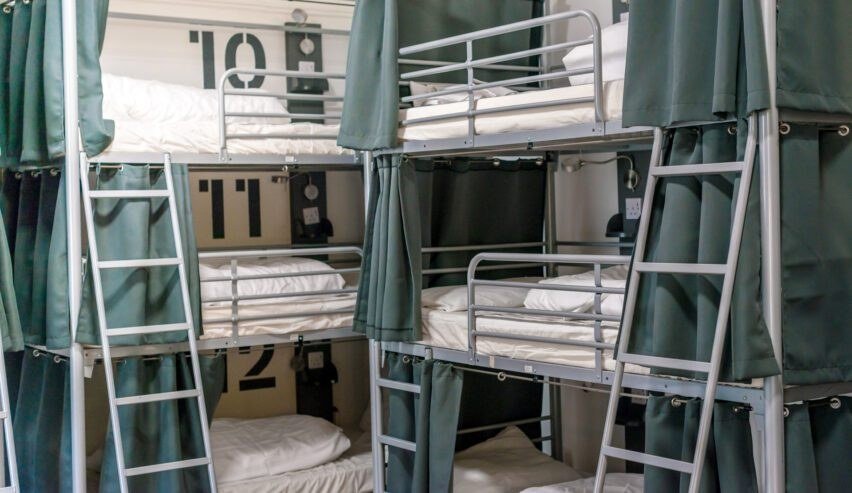
Begin by listing every lodging style that could serve the trip, not merely the styles used on previous journeys. Hostels belong on the list, yet so do guesthouses, small family hotels, rooms above cafes, farm stays, religious guesthouses where visitors are welcomed, and serviced apartments during quiet weeks. Wikipedia portrays a hostel as shared lodging where guests rent a bed in a dormitory alongside private room options, and many hostels now offer small private rooms with shared bathrooms at prices below ordinary hotels nearby.
Search by neighbourhood as well as by town centre. A residential district one short bus ride away often holds family run properties that never appear on the first page of a booking platform, because they pay for little advertising and rely on returning guests. Local tourism offices, university noticeboards, community newsletters, and direct map searches surface those places. Writing down phone numbers and opening hours matters, because smaller hosts answer enquiries personally and sometimes hold a room on trust alone.
Timing widens the field further. Travelling a few days earlier or later can move a stay out of a festival weekend, a sporting final, or a conference peak that inflates every bed in town. Midweek nights in leisure destinations and weekend nights in business districts frequently soften in price. Flexibility need not wreck a plan; shifting the order of stops on a multi town route can deliver the same sights while each overnight lands on calmer, cheaper dates.
Keep a simple record as the search grows: property name, area, room type, bathroom arrangement, total stay cost including taxes and cleaning charges, and cancellation deadline. Headline nightly rates hide cleaning fees, card charges, and linen hire that change the real ranking. Comparing totals rather than teasers prevents a supposed bargain from becoming the dearest option once checkout adds every extra. That discipline prepares the ground for the closer comparisons that follow.
Phase Two: Compare Family Guesthouses Rooms in Homes and Longer Rentals
Family guesthouses and rooms inside occupied homes reward travellers who value conversation, local knowledge, and a quiet house at night. Breakfast may arrive homemade, hosts often share transport tips no platform would print, and a garden or lounge adds living space a hotel corridor never offers. Privacy varies, though, so ask plainly about shared bathrooms, front door access, quiet hours, and whether guests may use the kitchen. Clear answers before payment protect both sides from awkward surprises.
Longer rentals change the arithmetic entirely. A small apartment rented for a week or a month can undercut nightly lodging while adding a kitchen that removes several restaurant meals from the budget. Laundry access reduces packing, a table supports remote work, and a fridge makes market shopping practical. Comparing whole stay styles in this way resembles weighing a cruise versus resort stay for a holiday, because the honest comparison weighs the complete experience, transfers, meals, and space together rather than a single headline rate in isolation.
Cleanliness and sleep deserve direct questions. Ask whether the room sits above a busy road, whether curtains block early light, and whether heating or cooling actually reaches the room. Reviews mentioning noise deserve more weight than reviews praising decor, because a beautiful room that keeps a traveller awake fails the central purpose of lodging. Hosts who answer such questions candidly and in detail usually run careful houses, while vague replies suggest the listing photographs carry the entire sales effort.
Location costs belong in this phase too. A cheaper room requiring two buses each way may suit a traveller with time and curiosity, yet punish a short stay where hours matter. Plot the walk to food, transport, and the main purpose of the visit before falling for a rural view or a fashionable district. Longer stays forgive distance more easily, since weekly travel passes and local routines shrink the daily friction that dominates a brief visit.
Phase Three: Explore House Sitting Swaps and Term Time University Rooms
House sitting removes rent from the equation almost entirely. Wikipedia describes house sitting as an arrangement where a traveller stays in a home while the occupants are away, often caring for pets or plants in return. Duties might include feeding a cat, watering a garden, collecting post, and keeping the property visibly occupied, as set out in background on house sitting duties and expectations for newcomers. Reliable sitters build references gradually, starting with friends and local sits, because homeowners hand over keys and animals only where trust has evidence behind it.
Home exchange works on reciprocity rather than service. Its encyclopaedia account explains that two parties agree to swap homes for an agreed period, with no rent changing hands, as described in a summary of home exchange arrangements between households. City flat owners holiday in a countryside cottage while cottage owners enjoy theatre and museums, each sleeping in a real home with a stocked kitchen. Dates, cleaning expectations, car use, and utility costs all need written agreement long before anyone packs a suitcase.
Profiles and verification protect both arrangements. Platforms and personal references mediate trust between strangers, and careful written agreements matter far more than enthusiastic introductory messages. Never accept a sit involving duties never disclosed, animals with undisclosed needs, or properties photographed so selectively that basic rooms stay hidden. A video call walking through the home settles most doubts and reveals the animals true temperament better than polished listing text.
University rooms fill the gaps between academic terms. Halls of residence rent spare rooms during holidays, often with private bathrooms, desks, and canteen breakfasts, in buildings sitting empty while students travel. Conference centres, boarding schools, and retreat houses release similar inventory outside their main seasons. Standards lean plain rather than plush, yet central locations and honest pricing suit travellers who spend days exploring and need little beyond a clean bed, a lamp, and quiet corridors.
Phase Four: Negotiate Longer Stays and Off Season Rates Directly
Direct contact changes negotiations that platforms keep rigid. A host filling an empty room for a fortnight gains reliable occupancy, fewer changeovers, and less laundry, so a polite request for a longer stay rate often succeeds where a single night request would fail. Longer stays and direct negotiation with smaller properties can change nightly rates because hosts value reliable occupancy, and that logic strengthens outside peak season when empty rooms earn nothing at all. Offer firm dates and prompt payment rather than vague promises.
Negotiate with specifics instead of a bare demand for discount. Name the dates, the number of guests, the room type, and any flexibility on check in day or bathroom arrangement. Accepting a smaller room, a weekday arrival, or breakfast excluded can give a host an easy concession to trade. Written confirmation of the agreed total, deposit, and cancellation terms matters more than the warmth of the conversation, because memories diverge once travel day approaches and staff change.
Off season travel rewards this approach most. Seaside towns in late autumn, mountain villages between ski and walking seasons, and university cities during holidays all hold properties glad to welcome a careful guest at a gentler rate. Weather risk deserves honesty in return: a cheap coastal week in storm season suits a reader with a laptop far better than a traveller whose whole holiday depends on swimming daily. Matching the season to the purpose keeps a bargain feeling like one.
Repeat stays build quiet leverage. A guest who leaves a room tidy, communicates arrival times accurately, and writes a thoughtful review becomes the person a host contacts with spare dates before advertising them. Over years, those relationships produce lodging that search engines never display. Travellers playing a long game treat every small property as a possible future base, which encourages courtesy even when a stay disappoints in minor ways.
Phase Five: Check Safety Reviews and Backup Plans Before Paying
Price should never outrun basic safety. Read recent reviews across more than one source, looking for patterns about locks, lighting, cleanliness, and how problems were handled rather than isolated praise or fury. A property answering criticism calmly and specifically signals active management. Check the street approach at night, the distance from lit transport stops, and whether the room door locks independently. Solo travellers may also value a staffed desk or a resident host over an unattended entrance.
Payment method carries its own protection. Cards and established platforms usually offer dispute routes that cash handed to a stranger never will. Keep confirmations, addresses, and host contact details stored offline, and share the address with someone at home before arrival. Where a deal demands full payment by an untraceable method long before the stay, walking away protects the whole trip budget. Genuine small hosts can normally offer a deposit arrangement, a card option, or a verifiable business presence.
A backup plan turns a failed arrival from disaster into inconvenience. Save two alternative properties within budget, note their late check in arrangements, and keep enough reserve to cover one emergency night at an ordinary rate. Arriving before dark where possible, confirming the booking on the morning of travel, and carrying the host phone number all shrink the chance of standing outside a locked building with tired children or heavy bags and no plan.
Trust accumulated judgement at the end of the process. When photographs, reviews, communication, and price all align, book promptly, because good value rooms in quiet periods still sell to other careful travellers. When one element jars badly, pay slightly more elsewhere and sleep soundly. Saving money on lodging should fund better food, longer trips, and richer days, never anxiety through the night. A calm bed at a fair price remains the true bargain every phase has been hunting.