
Some holidaymakers dream of waking somewhere new each morning, while others want one beach, one unpacking, and no timetable at all. A ship and a resort can both deliver sunshine and swimming, yet the days feel utterly unlike each other. Moving through the choice in stages prevents brochure language from deciding for you. Match movement, meals, company, and quiet against your own temperament, and the right setting becomes surprisingly obvious.
Phase One: Picture the Holiday You Actually Want to Live
Begin with an honest picture of your ideal ordinary day on holiday, not the highlight reel. Imagine waking, eating, filling the middle hours, and winding down, then ask where each part happens and who decides its timing. Some travellers feel energised by novelty arriving daily without effort on their part. Others relax only once a place becomes familiar, when the walk to breakfast is known and the afternoon has no obligations attached to it at all.
Temperament matters more than destination brochures admit. If planning delights you, a settled base with days you shape yourself may feel like freedom. If decisions exhaust you, a moving ship with entertainment, meals, and arrivals arranged in advance may feel like rest. Neither preference is more sophisticated than the other. Naming yours plainly at this stage protects the whole holiday, because every later comparison simply tests how well each option serves the traveller you actually are.
Consider energy and its daily rhythm. Some people rise early for ports and markets, thrive on variety, and sleep soundly after full days. Others recover through repetition: the same beach, a long lunch, a nap, a familiar evening stroll. Picture also the bad weather day and the tired day, not only the golden ones. The right choice still feels comfortable when energy dips, and that test quietly eliminates options that only work when everyone is at their best.
Write down, in plain words, the three feelings the holiday must deliver and the one frustration it must avoid. Keep that short list visible through every later phase. Brochure language will try to sell scenery, while the real difference between these holidays lies in structure: movement against stillness, company against privacy, arrangement against choice. Your list keeps structure at the centre of the decision, where it belongs, and turns vague longing into something you can actually compare.
Phase Two: Compare What Each Stay Includes Without Surprises Later
Both options gather many elements under one arrangement, yet they gather different things. A resort stay typically centres on lodging, food, drink, and recreation in one place, while a cruise folds transport between destinations into the stay itself, with the vessel carrying you while you sleep, eat, and watch the sea. List what each arrangement covers for your party in plain columns, then list what sits outside: excursions, premium activities, speciality dining, spa treatments, and transfers rarely include themselves.
All inclusive arrangements bundle many elements into one upfront arrangement, although premium activities may still sit outside that bundle. That single caution applies in spirit to both settings. Read the boundaries of any bundle with care, ask what happens beyond them, and picture a realistic week rather than a restrained imaginary one. A traveller who loves guided outings, tastings, and lessons will test the edges of any package far harder than a traveller content with a beach, a pool, and a book.
Excursions deserve their own honest line in the comparison, because whether you book tours in advance or wait until arrival changes quietly what each stay really includes: on a ship, the port day is short and organised excursions shape almost everything you see ashore, while at a resort the same outing can be arranged loosely, postponed, or skipped entirely without the whole day collapsing. Factor that difference in control, not only in cost, into the true shape of each offer.
Meals show the same structural split. Ship dining runs to the vessel schedule, with set venues and timings that create rhythm and remove debate. Resort dining may spread wider or narrower depending on the property, but the day around it stays yours. Ask how your group actually eats: early or late, adventurous or loyal to favourites, together always or sometimes apart. The arrangement that matches those habits will feel generous, and the one that fights them will feel limited however long its list of venues sounds.
Phase Three: Weigh Ports and Movement Against One Settled Base
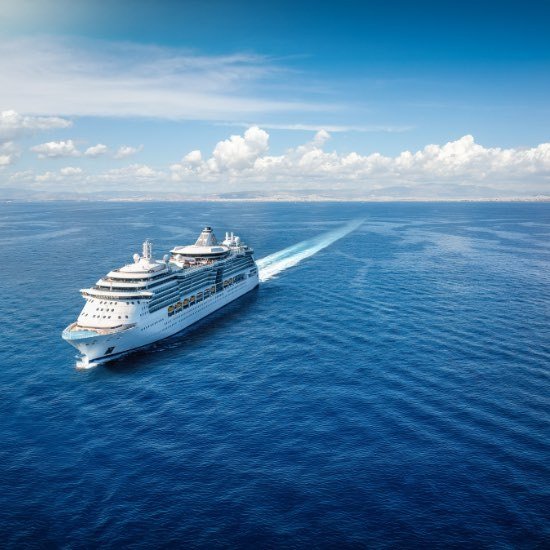
Movement is the heart of the difference. As reference works put it, a cruise ship used for pleasure voyages is a passenger vessel where the journey itself and the amenities aboard form part of the experience, calling at several ports along the way. You unpack once, yet wake in new harbours, watch coastlines change from the deck, and sample several places in a single trip. For travellers who love breadth and hate packing, that flow feels like the holiday itself rather than transport between holidays.
The costs of breadth are time and depth. Port calls are measured in hours, the ship leaves whether or not you have finished falling for a place, and the richest hour ashore often coincides with everyone else heading out and back at once. You return with vivid impressions of many places rather than knowledge of one. Some travellers find that thrilling. Others find it faintly frustrating, like reading first chapters all week, and long to stay somewhere long enough for the place to stop performing and simply be itself.
A settled base reverses the bargain. Reference descriptions of a resort as a single gathered place present resorts as places where lodging, food, drink, and recreation are gathered in one location, and that gathering is precisely the point. You can learn a beach across its moods, return to the cafe that welcomed you, take the long walk on the day the light is right, and let excursions spread out or vanish according to appetite. Depth, repetition, and spontaneity are the resort rewards, bought with the absence of new horizons arriving on their own.
Motion itself belongs in this weighing, considered plainly and without embarrassment. Seasickness arises from motion, which makes settled land stays preferable for sensitive travellers, however glorious the itinerary looks in print. Many sailors never suffer at all, and calmer routes and larger vessels soften the question, but a traveller who knows rough crossings undo them should treat that knowledge as decisive data, not weakness. A holiday is too precious to spend negotiating with your own stomach when a still base offers the same sunshine.
Phase Four: Match the Choice to Your Group and Your Stomach
Groups tilt the answer. A ship gives a mixed party a shared home with separate freedoms: children find their clubs, grandparents find their quiet corners, and everyone reconvenes at dinner with stories that differ. That built in variety, inside firm boundaries, suits reunions and multigenerational trips where tastes pull in opposite directions. The vessel absorbs disagreement gracefully, because nobody must win the argument about what today should contain.
A resort suits groups differently. Shared space is wider and less scheduled, days can split and rejoin naturally, and a member who craves solitude can vanish to a garden or a shoreline without leaving the holiday. Tensions arise instead around coordination: meals, outings, and spending require gentle agreement, since nothing arrives prearranged. Groups that communicate easily thrive in that looseness. Groups that quietly rely on a programme to avoid negotiating may return from a ship far more rested.
Couples and solo travellers should weigh company honestly. Ships manufacture sociability: shared tables, deck rituals, classes, and the easy talk of people moving through the same itinerary. Resorts offer company too, but it forms more slowly and can be declined more completely. Decide how much company restores you and how much drains you, then notice which setting doses it correctly. Privacy, like scenery, is a real feature of a holiday, and paying for the wrong amount of either spoils otherwise fine days.
Bring the practical bodies back into the room before deciding. Mobility, sleep habits, medical routines, and appetite for noise all interact with structure. Corridors and tender boats differ from garden paths and a ground floor room. Late entertainment differs from early village quiet. List your group real needs in plain language and test both options against them without flinching. The glamorous choice that fights a real need loses to the modest choice that serves it, every single time.
Phase Five: Book Early Enough to Keep the Best Options Open
Having weighed temperament, inclusions, movement, and company, act while choice remains wide. The most suitable cabins, rooms, positions, and outlooks are claimed earliest in both settings, and the travellers with specific needs, from quiet locations to adjoining doors, feel scarcity first. Booking early enough to keep the best options open is not urgency for its own sake. It is the final structural decision, the one that preserves all the careful matching done in the earlier phases.
Early booking also buys thinking time that late booking never does. With the main stay secured, excursions, special meals, and celebrations can be considered calmly, compared honestly, and declined freely where they add little. Travellers who book late often accept a rushed bundle of add ons out of fear that nothing will remain, and that fear quietly raises both cost and obligation. A holiday assembled in calm almost always fits its people better than one assembled in a hurry.
Before paying, reread your short list from the opening phase and test the chosen option against it one final time. Does the day you pictured survive inside this structure. Does the frustration you named stay absent. Are the inclusions you counted truly included, and the movement you chose genuinely welcome to every stomach in the party. If the answers hold, book with confidence and stop comparing. The comparison has done its work, and second guessing afterwards only taxes a decision that was made carefully, in stages, and for the right reasons.
Keep the paperwork of the decision as carefully as the decision itself. Note what your chosen arrangement includes, what it excludes, which timings govern meals and arrivals, and what cancellation terms apply, all in one place the whole party can read. Confusion thrives on scattered confirmations and half remembered promises. A single clear summary, checked once against the booking itself, carries the calm of the earlier phases safely into the departure day.


One comment