
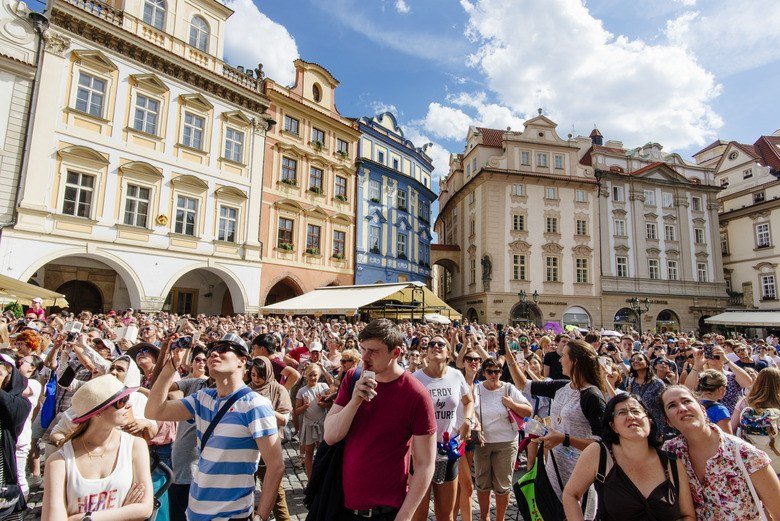
Every famous city hides two versions of itself: one arranged for hurried visitors, with inflated prices and staged charm, and another where residents actually eat, shop and spend their evenings. The boundary between them can be a single side street. Learning to spot pushy menus, cloned souvenir stock and commission driven recommendations protects both wallet and itinerary. The authentic city rarely shouts for attention; it simply gets on with being itself.
Spotting Staged Authenticity in Busy Districts
Staged districts announce themselves through effort. Costumed greeters wave from doorways, menus appear in six languages with photographs of every dish, and staff step into the pavement to negotiate with passing strangers. Real neighbourhood businesses rarely recruit this hard, because regulars already know where they are. None of these signs proves a place is poor, and a photographed menu can help a tired traveller, yet the pattern as a whole signals an establishment built around one time visitors who will never return to complain, recommend, or become regulars.
The economics underneath explain the theatre. Businesses beside famous landmarks pay premium rents for frontage on streets crowded with visitors, and those rents get recovered through higher prices, smaller portions, and standardised dishes that any short staffed kitchen can reproduce. Chains and near chains thrive under the same pressure, since a recognisable format reassures hurried customers. The result is a district that looks intensely local in costume while tasting much the same as its equivalent beside a landmark in another country entirely.
Nowhere does the disappointment land harder than at the table, which is why the skill of tracking down authentic local food that residents genuinely rate matters more than any other travel habit. Residents eat somewhere every single day, usually within a short walk of the sights, and their choices leave readable traces: queues of local workers at lunch, menus written for the neighbourhood first, prices that a weekly wage can sustain. Following those traces takes a traveller out of the staged zone faster than any list of hidden gems, a phrase that usually just marks the next district being staged.
Balance matters before suspicion hardens into snobbery. Famous districts are famous because the cathedral, the square, or the old town genuinely deserves its reputation, and skipping them entirely to feel clever wastes the trip. Visit the sights fully and early, enjoy the spectacle for what it is, then treat the surrounding streets as scenery rather than as your canteen, wardrobe, and advisory service. The staged zone is a fine place to look at a city. It is simply a poor place to buy the city, meal by meal and souvenir by souvenir.
Eating Near Famous Sights Versus Walking Further
Eating beside the landmark has honest advantages worth admitting. Convenience preserves energy and time on a short trip, terraces offer the view you travelled for, and kitchens near major sights are practised with allergies, children, and diners in a hurry. A coffee taken slowly on a great square, priced steeply and known to be, can be a fair purchase: you are renting a seat in a beautiful room with no walls. Problems begin when that premium pricing becomes the default for every meal, snack, and bottle of water across the whole stay.
Reference definitions give the darker pattern a name. A tourist trap is characterised in reference writing as an establishment created to attract visitors and draw out their spending, often through inflated prices and staged authenticity. The trap is rarely a single outrageous bill. It is the accumulation of mediocre meals at double the going rate, each one forgettable, in a city whose real cooking might have been the highlight of the year. Travellers sense the loss without naming it, and return home saying the city was beautiful but somehow underwhelming.
Walking further reverses the economics with almost comic reliability. Ten minutes from the famous square, rents fall, regulars return, and menus shrink to what the kitchen actually cooks well. Portions answer to local appetites, prices answer to local wages, and staff have time to explain a dish rather than process a queue. The walk itself pays dividends: side streets hold the workshops, bakeries, and small shops that give a stay its stories. Build the walk into the plan rather than treating it as a detour, eating lunch a few streets out and saving the famous square for that single, deliberate, view priced coffee.
Practical tests help when a street offers fifty near identical options. Look for a menu that changes, handwriting, a daily board, seasonal dishes, anything suggesting a kitchen responding to a market rather than a warehouse. Check who is eating: families from the neighbourhood, workers on lunch breaks, older residents greeted by name. Be wary of empty rooms at peak local lunch hour, of places with no prices displayed, and of invitations that begin with a free drink. None of these tests is foolproof alone, yet together they sort most streets within minutes.
Guided Groups Independent Wandering and Local Advice Weighed
Guided tours offer compression. A knowledgeable guide turns a bewildering old town into a story with a beginning and an end, points out details no visitor would notice alone, and handles tickets, timing, and language in one stroke. First mornings suit tours best, because orientation gained early improves every independent hour that follows. The costs are equally plain: the group’s pace replaces yours, stops favour businesses that welcome groups, sometimes because a commission changes hands, and questions get answered at the depth thirty strangers can share rather than the depth you personally wanted.
Independent wandering inverts every term of that bargain. Freedom is total, discoveries feel personally earned, and a wrong turn can deliver the bakery, workshop, or courtyard that becomes the memory of the trip. The weaknesses are inefficiency and blindness: without context, a traveller can walk past a historically loaded street seeing only laundry and parked scooters, and can waste limited days duplicating routes a map would have untangled. Wandering works best after some structure has supplied the context, which is why the strongest itineraries usually sequence the two rather than choosing between them forever.
Local advice sits between the two, priceless when genuine and compromised when bought. Hotel desks, drivers, and shopkeepers may recommend relatives or commission partners, and their suggestions cluster suspiciously around businesses with printed cards ready to hand. Advice improves when the adviser has nothing to gain: the person beside you at a market stall, a host with no bookings to sell, a waiter asked where he eats on his own day off. Ask narrow questions, where do you take your own family, which bakery sells out first, and compare answers across two or three people before committing an evening.
Reviews and rankings deserve the same scepticism applied to any other interested party. Ratings reward location and familiarity, so the highest scored restaurant near a landmark may simply be the least surprising one. Read the critical reviews rather than the glowing ones, look for comments written by residents, and treat a wall of identical praise posted in a short burst as marketing rather than testimony. Your own eyes on the street remain the final instrument: a full room of relaxed locals at local prices has never needed a rating platform to explain itself.
Souvenirs Markets and the Price of Convenience
Souvenir streets near the sights sell convenience honestly and originality rarely. The same scarves, magnets, and miniature monuments appear in shop after shop because wholesalers supply the whole district, and the object bought as a memory of one city often began life in a container shared with the stock of half a dozen others. Prices reflect the rent of the street rather than the making of the thing. None of this forbids buying the magnet; it simply argues for buying it knowingly, as a token, and spending real souvenir money where makers and markets actually live.
The wider industry frames the stakes. Tourism, broadly defined in reference sources, covers travel for pleasure or business together with the whole apparatus of services built around attracting and hosting travellers. That apparatus is not the enemy; it employs the city and funds much of its upkeep. The traveller’s task is only to steer spending toward the parts of it that keep the city itself alive: the workshop that still makes, the market hall that still feeds residents, the family kitchen that still cooks its own recipes. Money spent there circulates locally instead of leaking straight out through a wholesale supply chain.
Markets repay a careful visit better than any souvenir row. A working food market shows what the region grows, cooks, and celebrates, and its prices are disciplined daily by the residents shopping beside you. Buy small and buy edible where rules allow: spices, preserves, baked goods, and local sweets travel well and get enjoyed rather than shelved. For lasting objects, seek the streets where trades cluster, leather workers in one lane, printers or potters in another, and ask who made the piece. A maker who can discuss materials and repair the item in ten years is selling something categorically different from a themed ornament.
Convenience still earns its place in an honest accounting. The airport shop rescues the forgotten gift, the hotel boutique serves the traveller leaving at dawn, and a premium paid knowingly for certainty and speed is a legitimate purchase. The line to hold is awareness: convenience should be a chosen luxury on occasion, not the invisible default for every transaction of the trip. Travellers who keep that distinction usually spend less overall while bringing home objects with real stories attached, which is the entire point of carrying anything home at all.
Verdict Habits That Keep a City Honest
The verdict favours neither paranoia nor naivety; it favours habits. Visit the famous sights without apology, then eat, shop, and seek advice a short walk beyond the staged streets. Treat menus in many languages, doorway recruiters, and unpriced offers as information rather than insults, and let the presence of residents be your most trusted review. Take one guided tour early for orientation, wander independently after, and ask locals who gain nothing from the answer. Buy tokens knowingly near the sights and real objects where they are made.
These habits protect more than money. They return the traveller to the version of the city that exists when no audience is watching: the lunch counter feeding office workers, the market arguing happily over produce, the evening street where the same neighbours appear at the same hour. That city is not hidden, and it does not require insider access or a local friend to unlock. It simply operates at ordinary prices, on ordinary streets, a few minutes from where the staged version performs. Walk toward it, spend there, and the trip becomes what the brochures promised in the first place.


One comment