
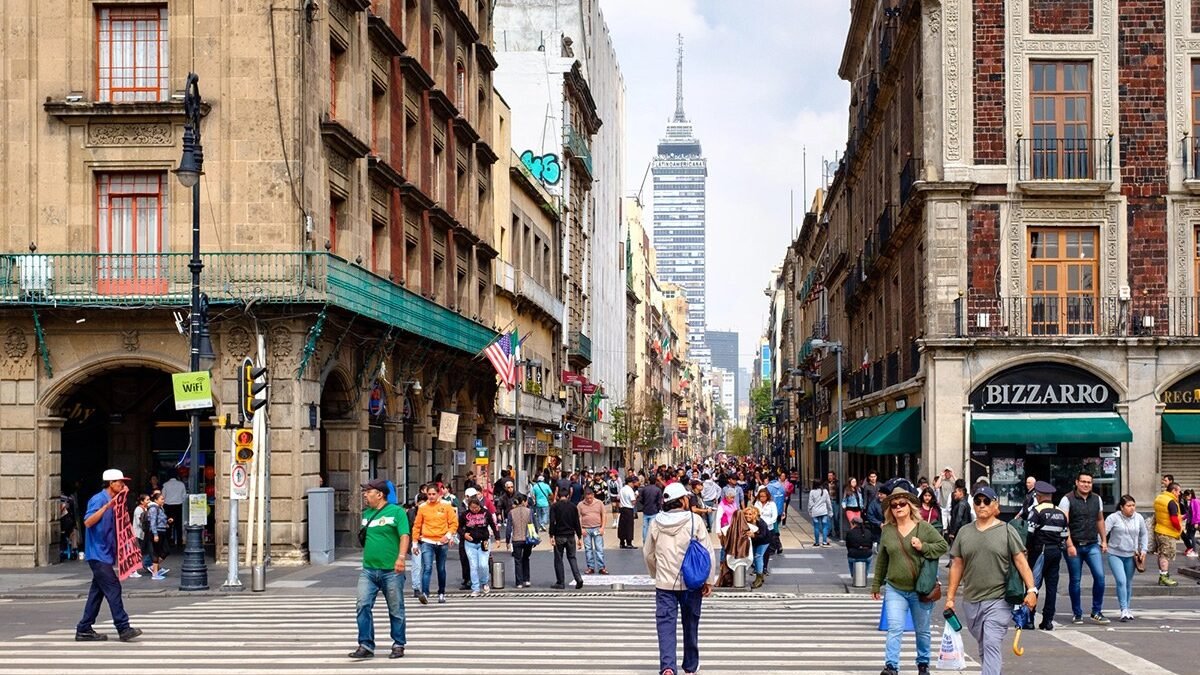
Mexico rewards curious travellers with extraordinary food, colour, and warmth, yet its tap supply deserves respect rather than fear. Treatment standards and pipe conditions vary widely between cities and even between neighbouring streets. Visitors therefore do best with a simple routine: drink purified water, watch ice and raw produce carefully, and keep enjoying cooked food from busy kitchens. That routine protects your stomach without shrinking the trip.
Before You Leave: Packing a Reliable Way to Drink Safely
Preparation starts at home, long before the first glass of water in Mexico becomes a question. Pack a refillable bottle with a built in filter or a small purifying device that suits the length and style of your journey. Travellers heading to cities can rely mostly on sealed and refilled supplies, while anyone walking in rural areas or staying in small villages benefits from carrying a personal method of treatment as backup. Choose equipment you have already tested at home, because learning how a filter fits together or how a purifying straw behaves is far easier at a kitchen table than in a tired arrival hall.
Add a few supporting items around that central choice. A sturdy bottle that seals tightly prevents leaks inside a day bag, and a second smaller bottle helps when one is being refilled or cleaned. Pack oral rehydration sachets, basic stomach remedies you already know suit you, and any prescription medicines in hand luggage rather than checked bags. Hand sanitiser and simple soap matter too, because clean hands before eating quietly prevent many of the problems travellers blame on water alone. None of this equipment needs to be elaborate; it needs to be familiar, packed where you can reach it, and ready from the first evening rather than buried under clothes for later.
Before departure, also settle your habits in plain language so travelling companions share the same understanding. Agree that tap water will not be used for drinking or brushing teeth, that sealed bottles and trusted refill stations are the default, and that anyone who feels unwell says so early instead of quietly pushing through. Read a little about the places on your route, since supply arrangements differ between a large resort, a city apartment, and a mountain guesthouse. Arriving with a shared routine removes repeated small decisions, and repeated small decisions are exactly where caution tends to slip when people are hungry, hot, and distracted by a new place.
On Arrival: Reading Your Room, Rental, and Neighbourhood Supply
The first hour in new accommodation tells you most of what you need to know about water for the whole stay. Look for the large refillable dispenser many Mexican homes and rentals provide, check whether it sits in regular use, and ask the host or front desk plainly where drinking water comes from and how the container is exchanged. Notice whether sealed bottles are supplied, whether a kettle is present for boiling, and whether the bathroom taps carry any notice about drinking. Small observations like these turn guesswork into a calm routine, and asking early feels far easier than asking after someone has already filled a glass from the tap.
Getting oriented in the surrounding streets matters just as much as inspecting the room itself. A short walk reveals the corner shop selling sealed bottles, the refill station where residents bring large containers, the pharmacy for rehydration supplies, and the busy kitchens where food turnover is high and ingredients rarely sit around. Tools and guides for navigating foreign cities with confidence can help you pin those everyday places on a map before you need them in a hurry. Knowing your neighbourhood and its everyday services makes safer daily choices far easier, because the safe option becomes the nearby option rather than an expedition across town.
Treat the first evening as a gentle rehearsal of the routine. Fill bottles from the trusted supply, set a glass of purified water beside each bed for the night, and place another by the bathroom sink as a reminder for tooth brushing. If the accommodation provides ice, ask whether it is made from purified water before using it. Travellers who settle these details while they are fresh and curious rarely struggle later, when tiredness or celebration makes people careless. A calm start also gives children and older companions time to absorb the pattern without feeling scolded about every sip.
Each Day Out: Bottles, Ice, Salads, and Street Stalls
Daily life on the trip should run on sealed or purified water without drama or constant discussion. Carry a filled bottle whenever you leave, refill it from trusted dispensers at your accommodation or reputable refill stations, and check the seal on bought bottles before paying. Public health guidance is clear about why this care matters: according to the World Health Organization, contaminated water can transmit diseases including diarrhoea, cholera, dysentery, typhoid, and polio, which is a sobering reminder that the risk is real even though it is easily reduced. Reading the World Health Organization fact sheet on drinking water before or during travel helps travellers understand why safe and sufficient water supports hygiene and health care as well as simple thirst.
Ice deserves a calm, observant eye rather than blanket suspicion. In Mexico, much commercially produced ice is made in factories from purified water and arrives as uniform cubes or cylinders with a hole through the middle, a shape widely associated with factory production. Crushed ice or irregular chunks from an unknown block deserve more caution, especially in very rural settings. When in doubt, order drinks without ice and enjoy them slightly warmer; the flavour of a good agua fresca or a fresh lime drink survives perfectly well without it. Restaurants busy with local families generally handle high volumes of ice and water daily, which keeps supplies turning over quickly.
Food choices follow the same principle of favouring heat, freshness, and turnover. Raw salads and unpeeled fruit carry more risk simply because they may have been washed in untreated water, while fruit you peel yourself, such as bananas, oranges, and mangoes, arrives in its own protective skin. Cooked dishes served steaming hot from busy stalls and kitchens remain the heart of eating well in Mexico, and it would be a real loss to avoid them out of vague anxiety. Choose stalls where food is cooked to order, where the cook handles money and food separately where possible, and where local customers keep the grill moving. Eat, enjoy, and let observation rather than fear pick the menu.
Later in the Trip: Refills, Filters, and Brushing Habits
As days pass, the routine should feel almost invisible, and that is when small lapses tend to creep in. Keep refilling from the same trusted sources rather than experimenting because a new tap looks clean; appearance tells you nothing about pipes, storage tanks, or treatment. If you use a filter bottle, follow its cleaning guidance and replace cartridges on schedule, since a neglected filter gives confidence it has not earned. Boiling remains a dependable fallback when a trusted supply is unavailable, provided the water is brought to a proper rolling boil and then stored in a clean, covered container rather than an open jug on a counter.
Tooth brushing is the habit travellers most often forget, perhaps because the amount of water involved feels trivial. Keep purified water by the sink for the whole stay, use it for brushing and rinsing, and avoid the absent minded gulp in the shower that many people only notice afterwards. The same care applies to rinsing toothbrushes, washing contact lens cases never belongs anywhere near tap water, and preparing any drinks or ice at a rental should always start from the purified supply. These are tiny behaviours, yet they repeat several times a day, which is precisely why they matter more than one grand gesture of caution.
Longer stays invite a slightly more settled system. Learn the delivery rhythm for large refill containers in your neighbourhood, keep a spare sealed bottle for guests or late arrivals, and store drinking water away from cleaning products and sunlight. If you move between towns, reset the routine at each new address instead of assuming the previous arrangement travels with you. Treatment standards and pipe conditions vary widely, sometimes within a single city, so each new room deserves the same brief inspection you gave the first one. Consistency, repeated politely across the whole trip, is what turns caution from a chore into background habit.
If Symptoms Appear: Rest, Fluids, and Knowing When to Seek Care
Even careful travellers occasionally pick up a stomach upset, and the first response should be rest and fluids rather than alarm. Reference material describing the condition, including an overview of travellers diarrhoea and its causes, explains it as a stomach and intestinal infection commonly experienced by travellers and often linked to contaminated food or water. Sip safe water steadily through the day, use oral rehydration solution to replace lost salts and fluids, and eat plain, gentle food only when appetite returns. Avoid alcohol and rich dishes while symptoms last, and let the body settle rather than medicating heavily at the first sign of discomfort unless you already know a remedy suits you.
Watch the pattern of illness with honest attention. Most mild cases ease within a few days, but certain signs call for medical help without delay: blood in the stool, a high fever, severe or worsening pain, repeated vomiting that prevents drinking, dizziness or very low urine output suggesting dehydration, or symptoms in a young child, an older traveller, or anyone who is pregnant or has a weakened immune system. Hotels and hosts can usually point you toward a local doctor or clinic, and travel insurance details kept on your phone save time when you feel least able to search for them. Seeking care early is sensible, not dramatic.
Recovery also reshapes the remaining days kindly. Return to normal eating gradually, keep the purified water routine stricter than ever while your stomach is tender, and resist the urge to make up lost sightseeing time in one exhausting rush. Many travellers find a mild episode teaches them exactly which habit had slipped, perhaps ice at one meal or a rinsed salad at another, and the rest of the trip runs more smoothly for the lesson. Mexico will still be generous with its food, colour, and warmth on the other side of a quiet day in bed, and a protected stomach simply lets you stay present for more of it.

One comment