
The meals residents queue for at midday rarely need advertising, and they tend to teach more about a place than any landmark. A visitor can spend days moving between famous sights and still leave without tasting what a city actually eats on an ordinary Tuesday. The food that matters most is seldom grand or expensive. It is cooked daily for people who live nearby, priced for wages earned nearby, and judged by neighbours who will return tomorrow if it pleases them and stay away if it does not. Chasing that kind of eating takes a different mindset from chasing famous dining rooms. It rewards patience, curiosity, and a willingness to eat early, eat simply, and sometimes eat standing up. Readers looking for ways to find authentic local food while you travel will find that the search itself becomes part of the trip, opening streets and conversations that a fixed reservation never would.
Start by thinking in dishes rather than in venues. Every region has plates that locals defend with real passion, and those plates point toward the kitchens that make them best. A town may be known for a soup, a grilled fish, a stuffed bread, or a slow stew, and the cooks who built their name on that single plate rarely hide. Ask around for the dish first and let the dish lead you to the door. Generic rankings tend to reward places that please everyone a little. Dish-led searching rewards places that please someone a great deal, and that difference is where memorable meals live.
Markets as a Window Into Everyday Eating
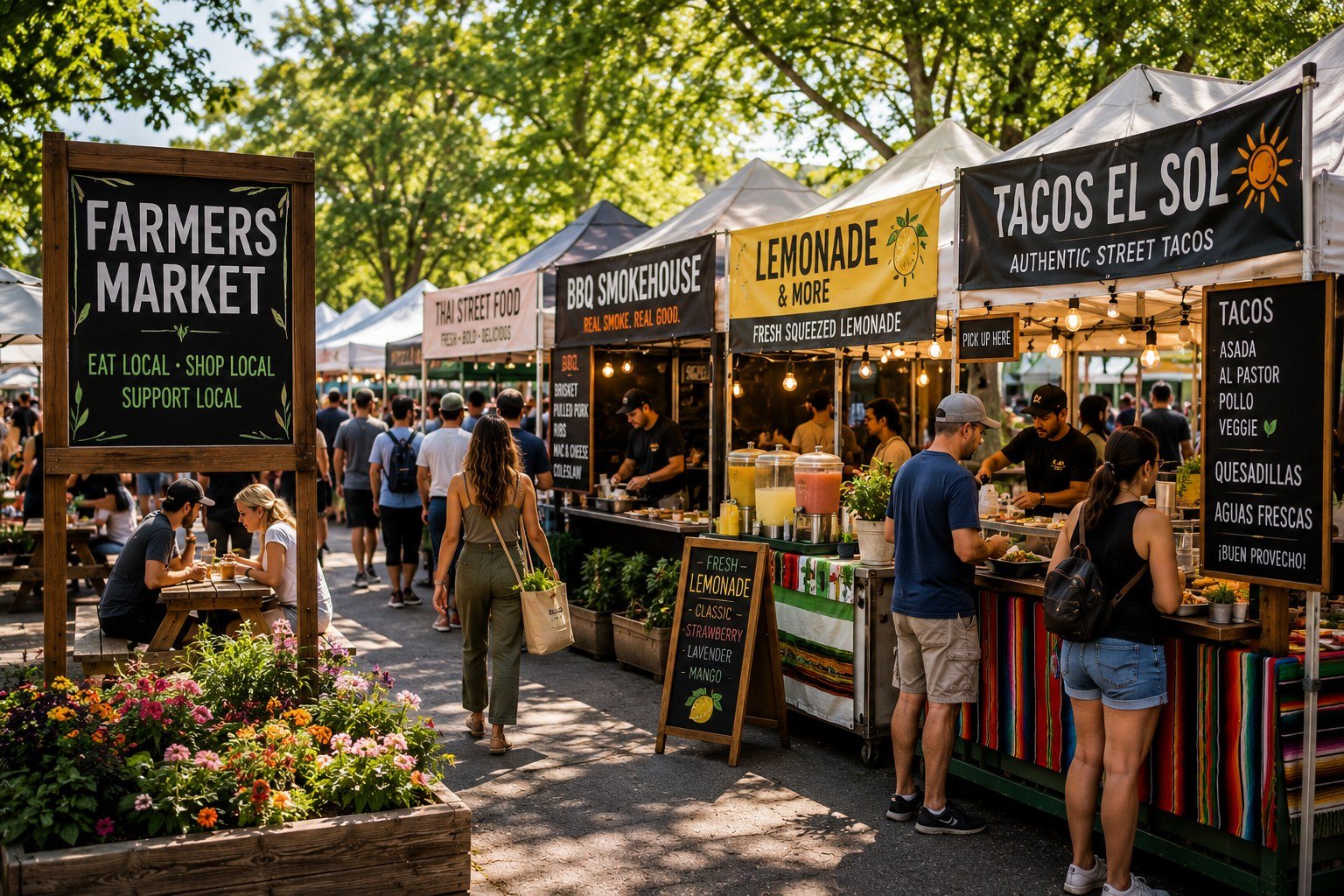
Arrive at a morning market before the heat builds and the best produce disappears. Stalls reveal what a place grows, catches, and craves, long before any menu does. Watch which fruit people squeeze, which greens sell out first, and which butcher draws a patient line of grandmothers who clearly accept no nonsense. The cooked food tucked along the edges of a market deserves equal attention. A vendor frying snacks for shoppers, a bench serving broth to stallholders, or a cart pressing fresh juice all belong to the daily rhythm of the place rather than to the visitor economy. Prices are usually plain, portions are honest, and flavours have not been softened for cautious tastes.
Walk a full circuit before buying anything. Note what appears again and again, because repetition signals a staple rather than a novelty. Then return to the busiest cooked stall and order what the person ahead of you ordered. Eating inside a market also teaches pace. People eat, chat briefly, and move on, and joining that flow feels more natural than treating the hall like a museum. Farmers markets in smaller towns work the same way on a gentler scale. Bakers, cheese makers, and preserve sellers will often explain how a food is used at home, and that small lesson improves every meal that follows for the rest of the trip.
Specialist Counters and the Power of a Short Menu
A short menu is a quiet promise. A kitchen offering only a handful of plates has nowhere to hide a weak dish, so each plate must earn its place every single day. Specialists repeat the same motions thousands of times until timing, seasoning, and texture become instinct. That repetition shows in the eating. Noodles land with the right chew, dumplings seal cleanly, and grilled meats rest for exactly long enough. By contrast, a vast menu stretching across several cuisines often means frozen stock, tired oil, and a cook spread far too thin. Narrow focus is not a limitation for the eater. It is the clearest sign that a place knows what it is for.
Finding these counters takes a little detective work. Search online using the name of a dish paired with the name of the neighbourhood, rather than broad labels about dining. Read local writers and community boards where residents argue about their favourites, because spirited disagreement usually means the food matters to people. The wider story behind portable and stall-based eating is traced in the broad history and variety of street food around the world, and it helps explain why small counters hold such a central place in so many food cultures. Once inside, order the house specialty first, even if another plate looks safer. The specialty is the reason the room exists, and judging a specialist by a side dish misses the point entirely.
Lunchtime Queues of Workers, Drivers and Shop Staff
Midday tells the truth about a place. Offices empty, workshops pause, and drivers pull over, and all of them head toward food that is fast, filling, and fairly priced. Follow that movement. A queue made up of uniforms, overalls, and office shirts is a stronger endorsement than any award sticker in a window. Workers cannot afford a disappointing lunch, in money or in time, so the places they favour have already passed a strict daily test. Turnover at these counters runs high, which means pots keep moving, grills stay hot, and little sits around losing its freshness. The meal may be brief, yet the cooking is often superb.
Timing matters when joining the lunch rush. Arriving slightly before the peak lets you watch the menu in action and order without pressure, while arriving at the height of the rush shows the kitchen at full stretch. Either way, be ready when your turn comes, pay promptly, and free your seat when you finish if others are waiting. Pointing at a neighbouring plate is a perfectly respectable way to order when words fail, and most cooks take it as a compliment. Learning even a small handful of food words, the names of key dishes, a word for spicy, and a polite thank you, turns a transaction into a small friendly exchange that people remember warmly.
Breakfast Places Where Tourists Rarely Appear
Breakfast reveals a place before it puts on its public face. Early rooms fill with market porters, bus drivers, nurses ending a night shift, and older residents starting the day with familiar flavours. The menu at that hour leans toward comfort: porridges, eggs, flatbreads, bean dishes, strong tea, and coffee poured without ceremony. Visitors rarely appear because most are still asleep or eating in a hotel dining room, so prices and portions stay tuned to local life. Sitting among that early crowd, even quietly, gives a sense of belonging that later sightseeing seldom matches. It also anchors the day well, leaving lunch free for grazing rather than for one heavy sitting.
Finding a good breakfast spot rewards an early walk. Look for steamed windows, a chalked board with only a few lines, and a grill already working before the streets fill. Bakeries count as well, especially where trays vanish quickly and a second bake is clearly expected. Order what steams, sizzles, or sells fastest, and accept the house drink rather than asking for a complicated substitute. If the cook suggests the special of the morning, accept it. That suggestion often reflects whatever arrived freshest at dawn, and dawn freshness is exactly what a traveller hopes to taste at the start of a day.
Cooking Alongside Residents in a Home Kitchen
Some meals teach more because you help make them. A morning spent shopping with a local cook, then preparing lunch in a family kitchen, explains a cuisine from the inside. You learn why a sauce is soured, why a herb is torn rather than chopped, and why a dish that looks simple depends on timing that no recipe card captures. Small group lessons run by residents, community groups, or market vendors tend to keep that intimacy. Large staged demonstrations for crowds can still be fun, yet the learning thins out. Ask who teaches, where the ingredients come from, and whether the group actually cooks or merely watches.
Being a good guest matters as much as being a keen student. Arrive on time, wash hands without being asked, and accept tasks like washing greens or stirring a pot with good grace. Ask before taking photographs of people, and be honest about allergies or foods you cannot eat well before cooking begins. Take notes on ratios and cues rather than exact measurements, because home cooks often judge by colour, smell, and sound. A lesson like this also settles a gentle debt. Pay fairly, thank the household warmly, and, if you cook the dish at home later, remember whose kitchen taught you and say so when you serve it.
Staying Safe While Eating Adventurously
Courage at the table works best alongside a few calm habits. Heat and turnover do most of the protective work. Food cooked to order and served steaming has spent little time in the range where germs multiply, and a busy stall replaces its stock constantly. Quiet rooms with food held warm for hours deserve more caution, however charming they look. Raw items need judgement that depends on place and season. Where the water supply is uncertain, peeled fruit, cooked vegetables, and sealed drinks are wiser choices than salads rinsed under a tap or ice of unknown origin. The detailed advice collected in official guidance on food and water safety for travellers is worth reading before any trip where water quality is in doubt.
Trust builds with each successful meal, and confidence grows in small steps rather than in one bold leap. A traveller who starts with cooked dishes at busy places, then widens the range day by day, usually ends the trip eating more widely and enjoying it more than someone who gambles everything on the first evening. Keep notes on what agreed with you and what did not, because patterns appear quickly and help you choose wisely in the next town. Good judgement is not fear. It is the habit that keeps curiosity alive for the whole journey, meal after meal, town after town.
Let your body adjust gradually during the opening days. Rich, fiery, or very unfamiliar food lands better in modest portions at first, with plainer meals in between. Carry a small bottle of hand cleaner for moments when soap and water are out of reach, and use it before eating with your hands. Watch how residents handle the same risks, since local practice usually reflects local conditions accurately. If something smells off, tastes stale, or arrives lukewarm when it should be hot, leave it without embarrassment. One skipped plate costs little. A ruined stretch of travel costs far more, and the next wonderful stall is rarely far away.


One comment