Dubai dazzles quickly, yet its welcome comes with clear boundaries that visitors ignore at their peril. Towering landmarks and old creek neighbourhoods sit beside firm expectations around clothing, drinking, photography, and public conduct. None of that should deter a thoughtful traveller. Learn how daily life is organised, respect religious spaces, plan around fierce summer heat, and the city becomes easy to enjoy on its own terms rather than through guesswork and avoidable embarrassment. The pattern running through every rule is simple courtesy: behave in public as a guest in someone else’s home city, and nearly every situation resolves itself calmly.
Put plainly, visitors thrive in Dubai by dressing modestly in public spaces, drinking only where alcohol is licensed to be served, treating mosques and religious life with care, asking before photographing people, and arranging outdoor time around the heat. None of these habits requires special equipment or deep study. They ask for awareness, a light layer of clothing kept handy, and a willingness to read official guidance before departure rather than learning local expectations from a misunderstanding at a doorway or a checkpoint.
Respectful Clothing and Behaviour in Public Places in Dubai
Public dress in Dubai follows a modest standard that residents apply to themselves and expect visitors to honour. Shoulders and knees comfortably covered in malls, markets, offices, and public transport will carry you through almost every ordinary setting without a second glance. Swimwear belongs at beaches and pools, and changing back into everyday clothes before walking into shops or restaurants is a small gesture that signals respect. Light, loose fabrics make the modest standard easy rather than burdensome, since natural fibres breathe far better in the heat than tight synthetic layers ever will.
Behaviour carries the same expectation of restraint. Public conduct is governed by local laws, and behaviour that might pass unnoticed in a lively resort town elsewhere can draw attention here, including loud arguments, coarse gestures, and open displays of affection beyond the most discreet kind. Couples holding hands attract little notice, while anything more demonstrative is best kept private. Speaking politely, queuing patiently, and accepting a gentle correction with good grace will end almost any awkward moment before it grows into anything larger.
Religious life shapes the rhythm of the city in ways visitors can honour without sharing the faith. Prayer times punctuate the day, and during the holy month, eating, drinking, and smoking in public during daylight hours call for extra discretion out of respect for those who are fasting. Many hotels and venues arrange screened areas where visitors can eat comfortably. Dressing a little more conservatively during that period, greeting people patiently when service slows near sunset, and accepting the altered rhythm as part of the city’s character turns a potential frustration into one of the more memorable aspects of a visit.
Documents Medicines and Arrival Checks for Dubai
Arrival planning begins long before the flight, with the passport on your own shelf. Working through how to check passport validity for your destination belongs at the very start of preparation, because entry requirements can include validity stretching well beyond your return date, and discovering a shortfall at the airport helps nobody. Official guidance collected by the State Department encourages travellers to review entry requirements and local laws for the Emirates before departure, and that reading is best done at the kitchen table, weeks ahead, when a renewal or a missing document can still be fixed calmly.
Medicines deserve their own careful pass through the packing list. Some medicines that are routine in one country are controlled in another, so prescriptions should travel in their original packaging alongside a copy of the prescription itself, and anything unusual is worth verifying against official sources before departure. Keeping essential medicine in hand luggage, clearly labelled, avoids the double risk of separation from your bags and confusion at inspection. Travellers who use several medications often carry a letter from their doctor as well, a simple document that answers questions before they are asked.
Background reading steadies the whole process, and browsing background on the United Arab Emirates and its emirates explains how Dubai sits within a federation whose laws and customs visitors agree to respect the moment they arrive. Print or save copies of bookings, insurance details, and emergency contacts somewhere separate from the originals. On arrival, answer questions directly, keep documents within easy reach, and allow extra time rather than treating inspection as an inconvenience. A calm, organised traveller moves through formalities quickly, and the city beyond the airport doors rewards the patience almost immediately.
Alcohol Mosques and Photography Rules Visitors Should Respect
Alcohol exists in Dubai within clear walls. It is served in licensed venues such as hotel restaurants, bars, and clubs, and drinking stays inside those spaces. Carrying open drinks through streets, drinking in public areas, or behaving drunkenly in public falls outside what local law permits, and driving after drinking is treated with particular seriousness. Visitors who enjoy an evening drink will find polished venues in abundance. The adjustment is simply one of location: enjoy the drink where it is served, then take a taxi rather than treating the city itself as an extension of the bar.
Mosques ask for the fullest version of the modest standard. Visitors entering a mosque should dress conservatively, with women covering their hair, arms, and legs, and everyone removing shoes where required and following the directions of staff or signage about where visitors may walk. Some mosques welcome visitors outside prayer times with guided visits that explain the architecture and the faith with real warmth, and those visits rank among the most rewarding hours a thoughtful traveller can spend in the city. Silence phones, keep voices low, and treat worshippers with the same privacy you would want in your own place of worship.
Photography follows a principle of consent. Landmarks, skylines, and your own companions are fair game in most public settings, but photographing other people, especially women and families, calls for permission asked politely and accepted gracefully when refused. Government buildings, military sites, and airport or security areas are not subjects for casual photography, and signs restricting cameras should be obeyed without argument. A traveller who asks first and smiles often finds that permission, once granted, comes with a story or a recommendation that no unguarded snapshot could ever have captured.
Heat Season Timing and Moving Around the City Comfortably
Heat is the one force no itinerary can negotiate with. Summer temperatures climb fiercely, and even shoulder seasons bring afternoons that drain energy from anyone determined to walk long distances under a midday sun. Sensible days in the warmer months start early, retreat indoors or into shade through the middle hours, and return outside as the light softens. Air conditioning is not a luxury in this climate but a piece of public infrastructure, woven through malls, stations, and walkways, and planning routes that pass through cooled spaces makes exploration entirely manageable.
Timing a visit shapes the whole experience. Cooler months invite long walks along the creek, open air markets, and desert evenings, while the hottest stretch rewards travellers who lean into museums, galleries, aquariums, and the city’s famously elaborate indoor worlds. Whichever season you choose, water, sun protection, and unhurried pacing are daily essentials rather than occasional precautions. Children and older travellers feel the heat sooner, so families do well to build rest into the plan instead of treating rest as a defeat when somebody wilts.
Moving around is straightforward once the heat logic clicks. The metro links major districts along clean, cooled lines, taxis are plentiful and metered, and many visitors mix the two, riding the train for distance and taking a short taxi ride at either end to avoid a sweltering walk. Creek crossings by small traditional boat remain one of the city’s simplest pleasures and a reminder that movement here was shaped by water long before it was shaped by towers. Cluster your sightseeing by neighbourhood, and the city shrinks from an intimidating sprawl into a series of comfortable, connected districts.
Old Creek Neighbourhoods Beside the Towers and Malls
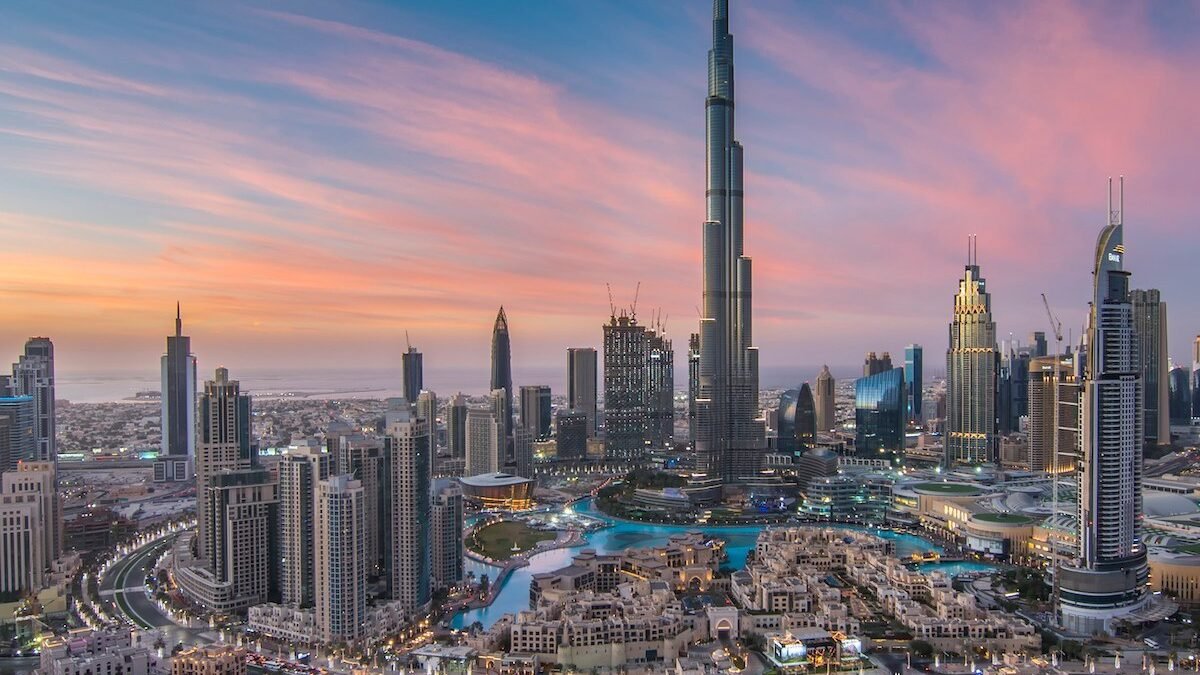
Every visitor should spend time where the city began. Along Dubai Creek, older districts of low buildings, wind towers, and working wharves carry on the trading life that built the emirate long before the famous skyline rose. Textile, spice, and gold markets crowd the lanes on either bank, small boats ferry passengers back and forth, and the smell of cargo and coffee hangs over the water. Reading an account of Dubai and its creek side history beforehand sharpens the eye, because reference material describes a city known for trade and tourism alike, where striking modern architecture stands alongside those older districts in a single, continuous story.
The contrast between the creek and the towers is the city’s personality rather than a contradiction. A morning among the markets, bargaining politely and drinking tea with a shopkeeper, pairs beautifully with an afternoon among the malls and observation decks, and each side explains the other. The wealth that built the towers flowed from the trading instincts still visible on the wharves, while the old districts gain protection and attention because visitors now arrive hoping to find them. Travellers who see only one half leave with a postcard. Travellers who see both leave with an understanding.
Can visitors wear swimwear anywhere in Dubai?
Swimwear belongs at beaches, pools, and water parks, where it is completely ordinary. Away from the water, in streets, malls, markets, and restaurants, modest everyday clothing is expected, so pack a light cover up and change before heading inland from the sand.
Where are visitors allowed to drink alcohol?
Alcohol is served to guests inside licensed venues, mainly hotel restaurants, bars, and clubs, and it should be enjoyed within those premises. Drinking in public places, or appearing drunk in public, breaks local rules, and taxis are the sensible way home afterwards.
What should visitors wear when entering a mosque?
Conservative clothing is required, covering arms and legs, and women also cover their hair with a scarf. Follow staff guidance on where to walk, remove shoes where asked, keep phones silent, and visit outside prayer times unless you are attending a guided visit.
When does the heat matter most for sightseeing plans?
The summer months bring the fiercest heat, when outdoor sightseeing belongs in the early morning and evening. Even in milder seasons, plan shaded or indoor stops through the middle of the day, carry water, and pace walks so the heat never dictates an emergency.
Should visitors ask before taking photographs of people?
Yes, asking first is the respectful habit everywhere in the city, and a refusal should be accepted with a smile. Landmarks and skylines are widely photographed, while people, families, and restricted official buildings call for consent or avoidance rather than a hurried snapshot.