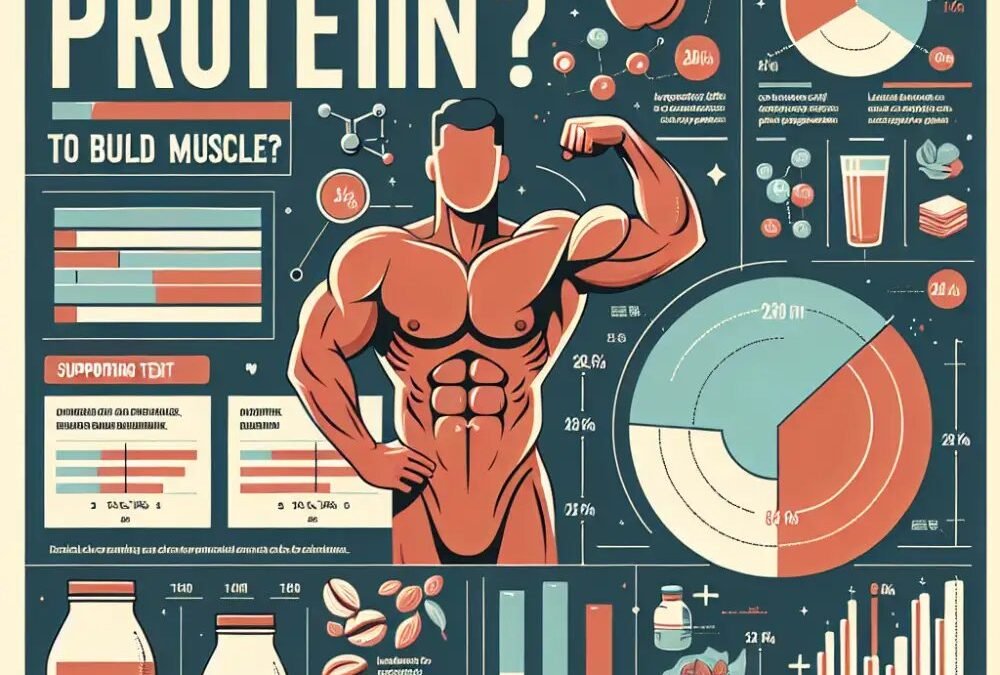
Protein targets attract confident claims from every direction, and the most common errors are quiet ones, such as treating a minimum intake meant for sedentary adults as a training target, or assuming that ever larger shakes must build ever larger muscles.
Spot the Mistake of Aiming Too Low
The first error is aiming at a floor and calling it a target. General minimum figures exist to prevent deficiency in adults who do very little physical work, not to support hard training, repair and growth. A person who lifts weights several times a week, walks a great deal or does heavy manual work asks far more of their body than someone sitting through most of the day. Eating as though those demands were equal leaves training under supported, and the shortfall shows up slowly, as stalled progress, lingering tiredness between sessions and a general feeling that effort is not being repaid.
This mistake is easy to make because minimum figures are quoted everywhere without their context. They sound official, tidy and reassuringly modest, so people anchor on them and stop thinking. The wider health picture matters too, and general basics sit underneath any training goal, from sleep to safe hydration habits away from home, which is why plain guidance on drinking tap water safely in Mexico belongs in the same sensible category as eating enough for the work you actually do. Training goals built on neglected basics rarely hold together for long.
Aiming too low often hides inside otherwise careful eating. Someone may choose good food, cook at home and avoid obvious junk, yet still serve portions of protein rich food that are simply small relative to their training load. Breakfast may carry almost none, lunch a modest amount and dinner the only serious portion of the day. The total can look respectable meal by meal while still falling short across the whole day, especially for larger people, whose needs rise with body size even before training is added.
Avoid the Opposite Error of Endless Intake
The opposite error is just as common and far more expensive in effort. It treats protein as though more must always mean more muscle, without limit. Beyond a moderate range, extra intake adds little for most people, because the body can only use so much of it for repair and building at any one time. The rest is simply food, filling space in the day that might have gone to other nutrients, fibre, fruit, vegetables and the energy the training itself demands.
This error often grows out of marketing and gym folklore. Large tubs, bold labels and stories about extreme eaters make very high intakes sound normal and necessary. Shakes then stack on top of large meals, snacks become protein themed as well, and eating turns into a constant project. People can end up full, uncomfortable and oddly short of energy for training, because a diet crowded with one nutrient quietly pushes out the variety that makes meals satisfying and sustainable over months.
There is also a mental cost. When every meal becomes a test of whether enough protein was hit, ordinary eating with friends or family starts to feel like a failure. That pressure is rarely needed. Muscle building is a slow process measured across seasons of consistent training, and a sensible intake reached comfortably will always beat an extreme intake abandoned after a few miserable weeks. Consistency is a practical virtue, not a slogan, and it applies to the plate as much as to the barbell.
Understand What Protein Actually Does
Protein is best understood as building and repair material. The body uses it to maintain and rebuild tissue, including muscle, and to support many ordinary functions that have nothing to do with appearance. Training creates the demand by stressing muscle. Eating supplies material that helps the body respond to that stress. Neither side of that partnership works well alone, which is why arguments that credit food alone, or training alone, for muscle growth usually miss the real picture.
For a clear general account, the attribution is this: the Wikipedia primer on protein as a nutrient explains its role in building and repairing tissue and notes that needs vary with activity and body size. That variation is the point most advice flattens away. A smaller, lightly active person and a larger, hard training person do not share one perfect figure, and a single number printed on a label or repeated in a video cannot settle the question for both of them at once.
It also helps to drop the idea that protein works like fuel in a simple, direct line. A hard session does not create an instant debt that must be repaid within minutes or the session is wasted. The body works across the whole day and the whole week, drawing on regular meals, rest and repeated training. That longer view lowers the drama around any single shake or meal and puts attention where it belongs, on the pattern of eating that repeats day after day without fuss.
Set a Sensible Daily Range in General Terms
A sensible approach thinks in ranges rather than in a single sacred figure. People training for muscle generally need more than the sedentary minimum, and a moderate range above that minimum suits most lifters well. Framing it as a range respects differences in body size, appetite, training load and food preference. It also gives you room to live normally. Some days land a little lower, some a little higher, and the weekly pattern matters far more than hitting an identical total every single day.
Build the range from your actual meals first, not from products. Look at what a normal day of eating already provides, then adjust portions of ordinary protein rich foods at the meals that are clearly light. Adding a proper portion at breakfast, or making lunch carry its share instead of leaving everything to dinner, often lifts the whole day into a sensible range without any special purchases. Food you enjoy and can repeat is worth more than a perfect plan you abandon.
Body size belongs in the thinking, in broad terms. Larger bodies generally need more than smaller bodies, and very active people generally need more than lightly active people of a similar size. Age, health and personal medical circumstances can also matter, and those are matters for individual professional advice rather than general articles. Within a general guide, the honest position is simple: aim clearly above the sedentary floor, stay well short of extremes, and judge the result by training progress, recovery and how sustainable the eating feels.
Spread Intake Across Ordinary Meals
Spreading intake across the day is easier on appetite and digestion than loading nearly everything into one evening meal. Regular meals each carrying a solid portion of protein give the body a steady supply of material for repair and help most people feel evenly full through the day. They also fit ordinary life. Breakfast, lunch, dinner and perhaps a simple snack are slots most people already have, so the habit asks for planning inside an existing routine rather than a new routine built around eating.
Start with the meal that is weakest, which for many people is breakfast. A breakfast built only around toast or cereal leaves a long morning with very little protein in it. Adding eggs, yoghurt, milk, beans or another familiar protein rich food changes the shape of the whole day at once. Lunch deserves the same attention, especially for people who train in the evening and then try to repair the entire day at dinner while tired and very hungry.
Keep the foods ordinary and varied. Meat, fish, eggs, dairy foods, beans, lentils, tofu and other widely available options can all play a part, and variety keeps meals interesting while covering a wider range of nutrients. There is no need to eat the same shake and the same plate every day in the name of discipline. Boredom is a real reason diets collapse, and a rotating set of meals you genuinely like is a practical safeguard against quietly giving up.
Planning helps most at busy times. Keep a few simple options ready for workdays, travel days and late evenings, so a disrupted schedule does not turn into a day of almost no protein followed by an enormous late meal. Leftovers, tinned fish, yoghurt, cheese, cooked beans and other easy foods all serve well here. The aim is a pattern that survives a normal, imperfect week, because muscle is built across many such weeks, not across one flawless day.
Pair Eating Habits With Progressive Training
Eating supports growth, but training asks for it. Muscle grows as an adaptation to demanding work, and that work must gradually become harder over time as the body adapts. Adding a little load, an extra repetition or a further set, when form is sound and recovery allows, gives the body a reason to change. Without that rising demand, even a well planned intake has little new work to support, and progress slows no matter how carefully the meals are arranged.
On this point the attribution is clear: the Wikipedia article on muscle hypertrophy describes growth as an adaptation driven primarily by the resistance training stimulus, with nutrition playing a supporting role. That order of importance is worth remembering whenever food advice promises results on its own. Protein helps the response happen. It does not create the signal. Regular, progressive, well performed training creates the signal, and sleep and rest days give the adaptation time to take place.
Keep records so the partnership between eating and training stays honest. Note the weights, repetitions and sets you manage, how you slept and how recovered you felt, alongside a rough picture of whether eating was adequate. Over weeks, those notes show whether a stall lines up with lighter eating, broken sleep or a training load that has stopped progressing. Guessing tends to blame whichever factor is fashionable. Records point at the factor that actually changed.
Judge the whole system over a fair stretch of time. Strength rising slowly, measurements moving gradually and sessions feeling manageable are signs that intake and training are working together. If progress stalls, change one thing at a time, either a small step in training load or a modest lift in daily intake, and watch the result. That calm, paired approach avoids both original mistakes, eating for a sedentary life while training hard, and eating without limit while the training itself stands still.