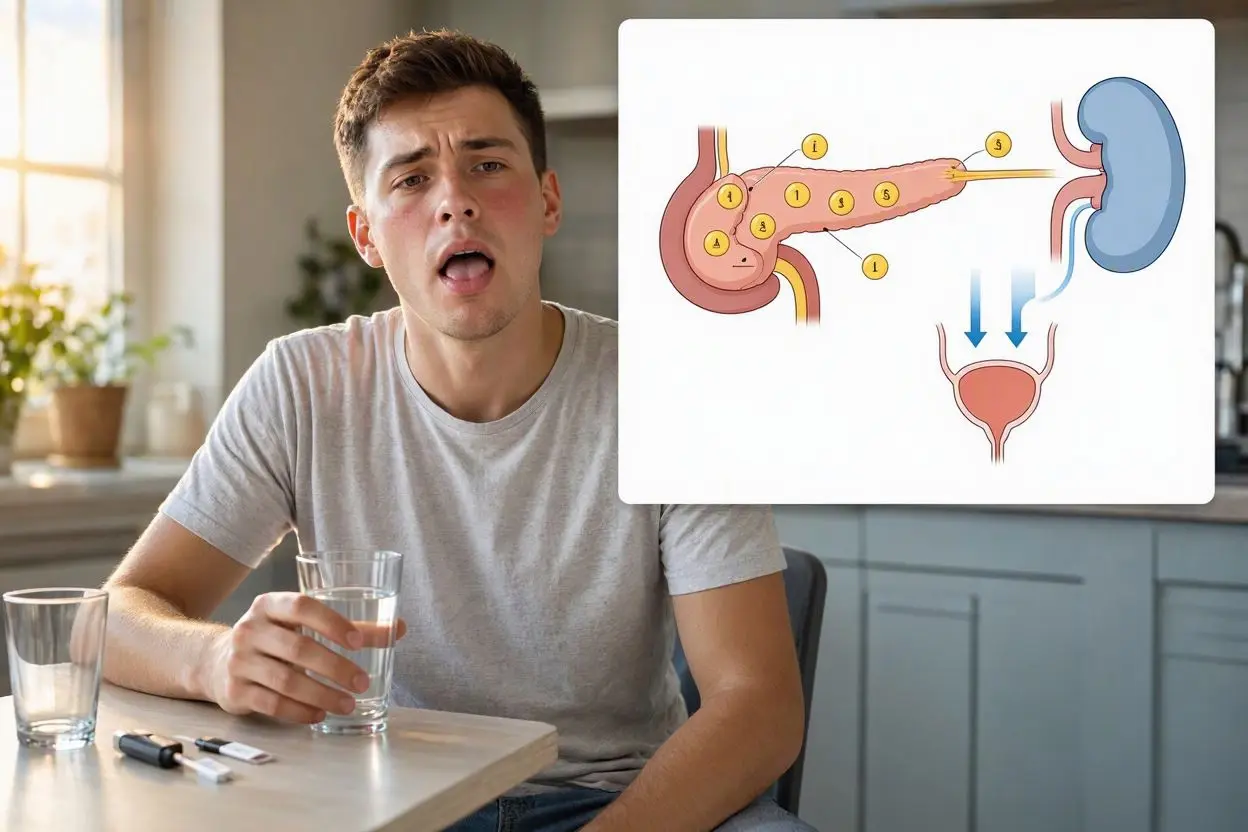
Feeling thirsty is your body’s normal way of telling you that it needs more fluid. But if you are drinking plenty of water and still asking, “Why am I thirsty even after drinking plenty of water?”, there may be another reason behind it.
Occasional thirst can happen after exercise, eating salty foods, spending time in hot weather, or simply going several hours without enough fluids. However, persistent thirst can sometimes be related to medications, diet, dehydration, or an underlying health condition.
The good news is that many causes of increased thirst are manageable. Understanding the possible reasons can help you decide whether you simply need to adjust your daily habits or talk with a healthcare professional.
Why Am I Still Thirsty After Drinking Water?
There is no single explanation for persistent thirst. Your body regulates fluids through a combination of your brain, kidneys, hormones, and blood chemistry. When your body senses that it needs more fluid, it creates the sensation of thirst.
Here are some common reasons you may still feel thirsty.
1. You May Still Be Losing More Fluid Than You Realize
Drinking water does not always mean that your body is retaining enough fluid.
You can lose water through:
- Sweating
- Exercise
- Hot or humid weather
- Vomiting
- Diarrhea
- Frequent urination
- Fever
- Heavy physical activity
For example, if you spend several hours exercising in hot weather, drinking a few glasses of water afterward may not immediately replace everything you lost.
If you are sweating heavily, your body may also lose electrolytes such as sodium. This can affect how your body manages fluids.
2. Your Diet May Be Making You Thirsty
Certain foods can increase thirst, especially foods containing a lot of sodium.
Common examples include:
- Chips
- Processed meats
- Instant noodles
- Fast food
- Packaged snacks
- Pickles
- Salty sauces
- Processed or frozen meals
After eating a particularly salty meal, you may notice that you want to drink more water than usual.
This does not necessarily mean that something is wrong. It can simply be your body’s response to a higher sodium intake.
3. You May Be Drinking Water but Not Replacing Lost Electrolytes
Water is essential, but your body also needs electrolytes to maintain normal fluid balance.
Electrolytes include minerals such as sodium and potassium. They are involved in nerve function, muscle function, and fluid regulation.
If you have been sweating heavily or have experienced vomiting or diarrhea, replacing lost fluids and electrolytes may be more important than simply drinking large amounts of plain water.
That said, most people who eat a balanced diet do not need electrolyte drinks routinely. Drinking excessive amounts of electrolyte products can also add unnecessary sugar or sodium.
4. Dry Mouth Can Feel Like Thirst
Sometimes what feels like thirst is actually a dry mouth.
Dry mouth can happen when you:
- Sleep with your mouth open
- Breathe through your mouth
- Spend time in dry air
- Smoke
- Drink alcohol
- Take certain medications
- Have reduced saliva production
If your mouth feels sticky or dry but you are otherwise well hydrated, the problem may be related to saliva production rather than a lack of water.
5. Caffeine and Alcohol Can Affect How You Feel
Coffee, tea, energy drinks, and alcoholic beverages can influence your fluid balance and may make some people feel thirstier.
Moderate caffeine consumption is not automatically dehydrating for most people because caffeinated drinks still provide fluid. However, large amounts of caffeine can contribute to symptoms such as frequent urination or a dry mouth.
Alcohol can also contribute to dehydration, particularly when consumed in larger amounts.
If you notice increased thirst after certain drinks, reducing them and paying attention to how you feel may help.
6. Exercise Can Increase Your Fluid Needs
Your water needs can change depending on your activity level.
During exercise, your body loses fluid through sweat. The amount you need depends on factors such as:
- Exercise intensity
- Exercise duration
- Temperature
- Humidity
- Your individual sweat rate
If you are active, drinking according to your thirst and replacing fluids lost through sweating can help.
Avoid forcing yourself to drink extremely large quantities of water in a short period. Excessive water intake can be dangerous because it can dilute the sodium level in your blood.
7. Some Medications Can Cause Increased Thirst or Dry Mouth
Persistent thirst can sometimes be a side effect of medication.
Several types of medicines can cause dry mouth or changes in urination, which may make you feel thirstier. Examples include some:
- Diuretics
- Antihistamines
- Antidepressants
- Blood pressure medicines
- Other prescription or over-the-counter medications
If your thirst started after beginning a new medicine, do not stop taking it on your own. Instead, ask your doctor or pharmacist whether increased thirst or dry mouth can be a side effect.
8. High Blood Sugar Can Cause Excessive Thirst
One important reason for persistent thirst is high blood sugar.
When blood glucose levels become too high, the kidneys may try to remove some of the excess glucose through urine. This can increase urination and cause the body to lose more fluid.
As a result, a person may experience:
- Increased thirst
- Frequent urination
- Increased hunger
- Tiredness
- Blurred vision
- Unexplained weight loss
These symptoms can occur with diabetes, although symptoms vary from person to person.
If you have persistent thirst along with frequent urination or other symptoms of high blood sugar, it is worth discussing with a healthcare professional and asking whether blood glucose testing is appropriate.
9. Frequent Urination Can Keep You Thirsty
If you are urinating frequently, you may lose more fluid than usual.
Frequent urination can have many possible causes, including:
- Drinking large amounts of fluid
- Caffeine
- Certain medications
- High blood sugar
- Urinary problems
- Some hormonal or kidney conditions
If you are constantly drinking water because you are constantly urinating, the two symptoms may be connected.
10. Certain Health Conditions Can Cause Persistent Thirst
Although everyday factors are common causes of thirst, ongoing excessive thirst can sometimes be associated with a medical condition.
Possible causes include diabetes and, less commonly, certain kidney, hormonal, or fluid-balance disorders.
This is one reason persistent or unexplained thirst should not simply be ignored.
You do not need to assume that a serious condition is responsible. But if the symptom continues despite normal fluid intake, getting evaluated can help identify the cause.
How Much Water Do You Actually Need?
There is no single amount of water that every person needs each day.
Fluid requirements vary based on factors such as:
- Age
- Body size
- Physical activity
- Climate
- Diet
- Pregnancy or breastfeeding
- Illness
- Medications
Water also comes from foods and other beverages, not just from a glass of plain water.
Instead of forcing yourself to drink a specific huge amount every day, pay attention to thirst, your activity level, the weather, and other factors that affect fluid loss.
Signs That You May Be Dehydrated
Thirst can be one sign of dehydration, but other symptoms may occur too.
Possible signs include:
- Dark yellow urine
- Urinating less often than usual
- Dry mouth
- Fatigue
- Dizziness
- Headache
- Weakness
Severe dehydration can be dangerous and requires prompt medical attention.
Is It Bad to Drink Too Much Water?
Yes. More water is not always better.
Drinking an excessive amount of water, especially quickly, can lower the sodium concentration in the blood. This condition is known as hyponatremia and can become serious.
Rather than constantly forcing down water because you are worried about dehydration, aim for sensible fluid intake based on your thirst and individual needs.
If you are unusually thirsty despite drinking plenty of fluids, the better approach is to find out why you are thirsty rather than simply drinking more and more water.
When Should You See a Doctor About Excessive Thirst?
Occasional thirst is usually not concerning. However, you should consider speaking with a healthcare professional if you are experiencing persistent or unexplained thirst.
It is particularly important to seek medical advice if increased thirst occurs with:
- Frequent urination
- Unexplained weight loss
- Persistent fatigue
- Blurred vision
- Severe weakness
- Repeated vomiting or diarrhea
- Significant dizziness
- Symptoms that are getting worse
If you have severe symptoms, confusion, fainting, difficulty breathing, or signs of serious dehydration, seek urgent medical care.
What Can You Do If You Are Always Thirsty?
Start by looking at the simple factors that may be affecting your fluid needs.
Try to:
- Drink according to thirst.
- Increase fluids when exercising or sweating heavily.
- Reduce very salty foods if your diet is high in sodium.
- Limit excessive alcohol consumption.
- Pay attention to caffeine intake if it seems to worsen your symptoms.
- Check whether a medication could be causing dry mouth or increased thirst.
- Notice whether you are also urinating unusually often.
- Talk to a healthcare professional if the thirst is persistent or unexplained.
Keeping a simple record of your drinks, meals, exercise, urination, and symptoms for a few days may also help you identify patterns to discuss with your doctor.
Final Thoughts
If you are wondering, “Why am I thirsty even after drinking plenty of water?”, the answer may be something as simple as exercise, hot weather, salty food, dry mouth, or increased fluid loss.
However, persistent excessive thirst—especially when combined with frequent urination, fatigue, unexplained weight loss, or blurred vision—can sometimes point to an underlying medical issue.
Instead of continuously increasing your water intake, pay attention to the other symptoms you are experiencing. If the thirst does not improve or has no obvious explanation, a healthcare professional can help determine the cause.
FAQs
1. Why am I thirsty even after drinking lots of water?
You may still be losing fluid through sweating or urination, eating salty foods, experiencing dry mouth, or having another condition that affects fluid balance. Persistent unexplained thirst should be discussed with a healthcare professional.
2. Can drinking too much water make you more thirsty?
Drinking excessive amounts of water is not a good way to manage persistent thirst. Very high water intake can dilute blood sodium and, in severe cases, cause hyponatremia.
3. Does diabetes make you thirsty all the time?
High blood sugar can cause increased thirst and frequent urination. If these symptoms persist, a healthcare professional can determine whether blood glucose testing is appropriate.
4. Why am I thirsty but not dehydrated?
Thirst can occur even when obvious dehydration is not present. Dry mouth, salty foods, medications, caffeine, exercise, and certain medical conditions can all contribute to the sensation of thirst.
5. Can salty food make you thirsty?
Yes. A high-sodium meal can increase thirst because your body works to maintain an appropriate fluid and sodium balance.
6. Why am I thirsty and urinating frequently?
Frequent urination can cause additional fluid loss and therefore increase thirst. Several factors can cause this combination, including high blood sugar, medications, and drinking large amounts of fluid.
7. How can I stop feeling thirsty all the time?
Identify what may be causing the thirst rather than simply drinking more water. Consider your diet, exercise, weather, medications, caffeine, alcohol, and urination pattern. Persistent thirst should be medically evaluated.
8. When is excessive thirst a concern?
Persistent unexplained thirst is worth discussing with a healthcare professional, particularly if it occurs with frequent urination, unexplained weight loss, fatigue, blurred vision, dizziness, or other concerning symptoms.