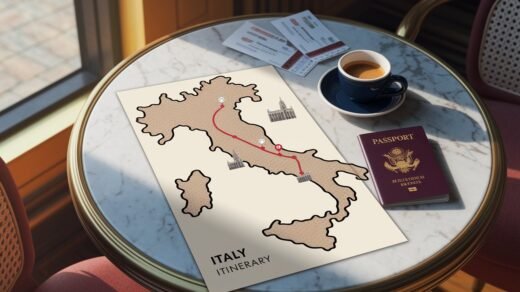
A secret getaway succeeds when the spending stays invisible, modest and matched to the person being surprised, not to a grand fantasy. That sounds simple until secrecy starts pushing prices upward. Hidden planning removes the usual checks. Nobody else questions the hotel tier, the flight time, or the extra treat added late at night. The surprise also carries pressure to impress, and pressure is a poor budget keeper. A calmer approach treats secrecy as a planning problem rather than a spending contest. Save quietly, book flexibly, hide the trail with care, and shape every choice around the person who will open the envelope, board the train, or walk into the lobby unaware.
Spending Big Before Checking What the Person Wants
The costliest error is buying the impressive version before asking what would actually delight the recipient. One person dreams of a spa and slow mornings. Another wants a ball game, a market, and a long walk. A costly trip built on the wrong pleasures wastes money twice, once in the buying and once in the muted reaction. Think back over past trips together. Which days get mentioned months later? Which meals, streets, or views still come up in conversation? Those memories are better evidence than any glossy ranking of destinations.
Prestige is a weak reason to spend. A famous city can disappoint a traveller who hates crowds, just as a modest town can thrill someone who loves quiet lanes and small bakeries. Match the pace as carefully as the place. Packing every hour with paid activities exhausts both the budget and the guest. Leave open time for wandering, rest, and the unplanned discovery that often becomes the favourite part. A surprise should feel generous, not relentless, and generosity shows in fit far more than in price.
Set a ceiling before browsing anything. A ceiling decided in a calm moment holds better than one invented while a booking page counts down. Work out what the household can spare without touching money meant for bills, debts, or emergencies. If the honest ceiling points to a short trip nearby, embrace that shape fully rather than apologising for it. Readers planning the gesture itself can study plan a surprise trip for your partner for the broader planning picture, then return to the money with clearer eyes and a firmer limit in mind.
Leaving a Paper Trail Across Shared Devices and Accounts
More surprises die by notification than by loose talk. A booking confirmation lands on a shared tablet. A card statement shows a hotel name. A calendar invite syncs to a family account and announces the dates in plain language. Guarding against this takes a short audit before any money moves. List every shared device, shared account, and shared statement where a clue could surface, then decide how each booking will avoid appearing there or be explained if it does.
Browse in a private window on shared machines, and send confirmations to an inbox only you open. Turn off previews where a lock screen might flash a hotel name at the wrong moment. Keep printed papers out of shared drawers, and store any written plan in a place your partner has no reason to open. One trusted helper can hold tickets, confirm dates, or provide a cover story for an absence. Choose that helper for discretion rather than enthusiasm, and share only what the helper truly needs to know.
Saving itself needs cover. Money drifting out of a joint account invites questions, so move small amounts into a separate place your partner does not review. Cash set aside in an envelope works for some households, while a separate savings account suits others. Either way, keep the pattern boring. A sudden large transfer looks suspicious and also hurts more. A quiet, regular trickle raises no eyebrows and builds the fund almost unnoticed, which is exactly the rhythm a long secret needs.
Skipping Refundable Rates When Plans Can Shift
A secret plan rests on guesses about another person’s life. Work can shift. Illness can strike. A family duty can land on the very weekend chosen months earlier. Booking the cheapest nonrefundable rate ignores that fragility. Refundable rooms and changeable tickets cost a little more at the start, yet they protect the whole sum when the guessed dates collapse. That protection is worth far more on a surprise than on an ordinary trip, because you cannot quietly ask your partner to keep a different weekend free without raising suspicion.
Read the change terms before paying, not after trouble arrives. Some rates allow a full refund until shortly before arrival, while others only offer credit with the same provider. Credit may be acceptable if the trip can simply move a few weeks later. It is far less useful if the moment, such as a birthday or anniversary, cannot move at all. Keep a note of every deadline in your private planning file, with reminders set early enough to act without panic.
Points and miles can soften this risk. Booking with points often hides the spend from joint statements, and many programmes allow changes on gentler terms than cash fares. Shoulder season travel helps as well, trimming prices while often bringing milder weather and thinner crowds. Flexibility, though, remains the core habit. A surprise rebuilt for a new date still delights. A surprise lost entirely because a rigid booking could not move delights nobody and leaves a painful bill behind.
Counting the Whole Budget Beyond Travel and Beds
New planners count the journey and the room, then stop. The real total keeps going. Meals, local transport, parking, entry tickets, tips, and small treats all draw from the same fund. A single special dinner can rival a night of lodging at a modest place. Activities priced per person double quietly for a couple. Build the budget line by line, in a private note, and add a cushion for the costs nobody can foresee, such as a taxi when rain ruins a planned walk.
A tiered picture helps set expectations. A secret weekend for two in a town you can drive to can sit in the high hundreds once lodging, one special dinner, and activities are counted. Add flights and several nights in a major city, and the total moves into the low thousands. A full week in a distant resort region climbs higher still, before spending money is even considered. None of these tiers is the correct one. The correct tier is the highest one your savings reach without strain, matched to the person rather than to pride.
General travel references such as USA.gov travel information hub can help you sanity check the practical side of a route, from documents to seasonal quirks, before money is committed. Then trim with intent. Drop the paid extra nobody will miss and protect the one moment the whole trip is built around. A single well chosen splurge reads as lavish. A dozen small upgrades blur together and quietly empty the fund that should have covered the journey home.
Saving Secretly in Small, Steady Amounts
Steady saving beats heroic saving. A heroic burst, taken from one month, strains the household and shows up in balances your partner may notice. Small regular amounts, moved on payday before other spending begins, build the fund with far less drama. Work backwards from the tier you chose. Divide the target by the number of paydays remaining, and treat that figure as a fixed bill owed to a future happy morning. If the figure feels painful, extend the timeline rather than raiding other savings.
Found money can speed the fund without touching shared accounts. Selling unused items, banking a small bonus, or redirecting the cost of a habit you pause for a season all add up. Keep the growing total somewhere you can check privately, because watching it rise sustains patience during the dull middle months of planning. Avoid borrowing for a surprise at almost any cost. A trip revealed alongside hidden debt turns joy into worry the moment the bills surface, and bills always surface.
Timing matters as much as totals. Booking the flexible elements once the fund covers them locks in prices before they climb, while leaving the fragile elements until later reduces waste. If the plan involves parks or open country, the National Park Service plan your visit hub pages help shape dates around seasons and crowds. Whatever the destination, keep one simple rule in view. The fund serves the surprise. The surprise never serves as an excuse to empty the fund meant for ordinary life.
Revealing the Plan in a Way They Remember
Presentation carries much of the effect, and it costs very little. A handwritten itinerary, given at breakfast, turns a modest trip into an occasion. Bags packed in advance, within the limits of what you know about their wardrobe, add a playful thrill. Some planners hand over a sealed envelope at the door. Others reveal the plan over a favourite meal the night before, giving the guest a night of happy anticipation and a chance to pack personal items you should never choose for them.
Timing the reveal deserves thought. Surprising someone at the last minute suits the spontaneous and punishes the anxious. Many people enjoy a trip more when they have a day or two to prepare, arrange pet care in their own mind, and grow excited rather than flustered. You know your partner’s temperament. Honour it, even if a doorstep reveal looked better in your imagination. Comfort outranks spectacle every single time, because the memory being built is theirs as much as yours.
Keep a small written record as you plan, stored privately, listing what has been booked, what remains open, and what each part cost. That record prevents double booking, missed deadlines, and the slow creep of forgotten extras that quietly swell a budget in the final weeks before departure day arrives at last.
On the trip itself, keep some slack in the plan. A rigid timetable turns a gift into an assignment, and small mishaps feel larger when no gap exists to absorb them. Build in one unplanned half day, carry the cushion money without apology, and let your partner steer a choice or two once the secret is out. The best surprise trips end with a person feeling known, not merely impressed. That feeling comes from fit, patience, and restraint far more than from the size of the final bill.