A generous plate of fried rice built at home costs a small fraction of the takeaway version, yet the savings never show in the eating when the grains stay separate and lightly charred. Yesterday’s chilled rice, a blazing pan and a strict order at the stove do nearly all the work. Counting what each component adds to the pan shows just how little stands between a bare fridge and a proper supper. Cold cooked grains behave this way beyond rice alone, which is why anyone learning cooking quinoa the fluffy way meets the same lesson about surface moisture, patience and a pan that is genuinely hot before anything lands in it.
Fried Rice Spending Tallied Ingredient by Ingredient
Start with the plainest version and the arithmetic stays almost embarrassingly small. One cup of cooked rice contributes roughly ten to fifteen. A single egg adds around thirty. A handful of frozen peas mixed with diced carrots adds a modest amount again, and the soy sauce, cooking oil, garlic and scallions together add only a little more. Added up with care, a plain serving totals well under one, and that figure assumes ingredients bought at ordinary supermarket prices rather than in bulk or on special offer.
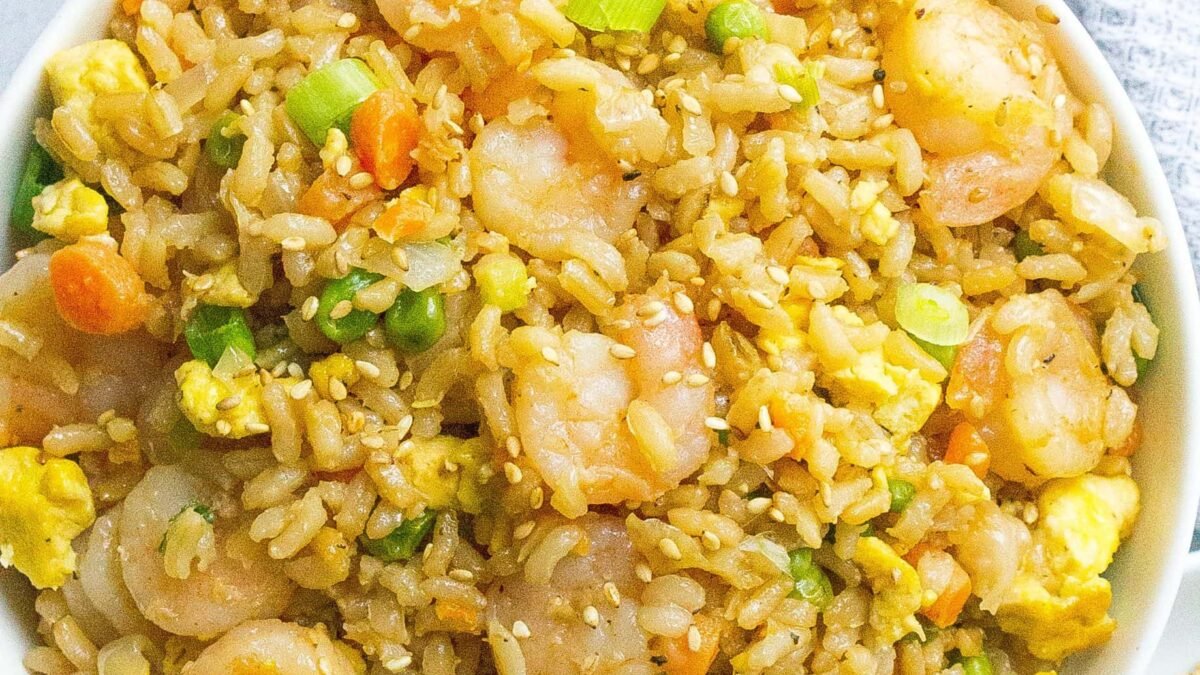
Protein changes the total without changing the story. Diced ham or leftover chicken folded through the pan lifts a serving by around seventy five. Peeled shrimp, the most expensive common addition, raises it by roughly one hundred fifty, which still leaves a loaded plate far below the ten to fourteen that a takeaway portion commonly runs. Anyone curious about how widely the dish travels can browse the Wikipedia entry on fried rice and its regional forms, where the same pattern of rice, egg and whatever a kitchen already holds repeats across many countries and cooking traditions.
Leftovers bend the maths further downward. Rice cooked for an earlier meal and chicken trimmed from a roast have already been paid for inside another supper, so a plate built around them costs little beyond an egg, frozen vegetables and seasoning. That is why fried rice belongs in any honest conversation about cheap eating. It does not ask for a special shopping trip. It asks for a glance inside the refrigerator, a willingness to use what sits there, and enough heat to turn modest parts into something that tastes deliberate rather than apologetic.
Chilled Rice Grains That Fry Instead of Clumping
Rice cooked this morning carries too much surface water for the pan. Each grain arrives damp, and damp grains surrender their moisture as steam the moment heat reaches them. Steam softens neighbours, neighbours stick together, and the pan delivers a pale mound instead of separate grains with crisp edges. Time in the cold solves the problem quietly. As cooked rice rests in a refrigerator overnight, its starches firm and recrystallize, the surface dries, and each grain gains enough structure to meet hot oil without collapsing into its companions.
Planning ahead is therefore the simplest technique in the whole dish. Cook more rice than supper requires, cool the surplus promptly, cover it and leave it until the following day. When no such foresight happened, spread freshly cooked rice in a thin layer across a wide tray and chill it uncovered for an hour or two, which dries the surface enough for a respectable result. A short spell in the freezer can help in a genuine pinch, although the grains need watching so they firm rather than freeze solid around the edges.
Handling the cold rice matters too. Break the chilled block apart gently with damp fingers or a fork before it meets the pan, separating clumps while the grains are still cold and sturdy. Keep the cooked quantity modest as well. A pan crowded with rice steams itself, however dry the grains began, so households cooking for a crowd do better frying in two batches and combining them at the end with the egg and scallion greens.
Safety sits alongside texture here. The United States Department of Agriculture advises putting cooked rice into the refrigerator promptly, within about two hours of cooking, because rice left warm on a counter can harbour Bacillus cereus, a bacterium whose toxins reheating may not destroy. Chilled rice is a technique, never an excuse to leave a pot sitting out overnight on the stove. Cool it, cover it, refrigerate it, and use it within a sensible few days, reheating it thoroughly when its turn in the pan finally arrives.
Smoky Character From a Home Burner and a Hot Pan
Restaurant burners throw a fierce, concentrated flame that home stoves rarely match, yet a domestic kitchen can still coax real char and smoke from a pan with patience. Choose the largest, heaviest skillet or a wok, set it over the strongest burner empty, and wait until a faint wisp rises from the surface before oil goes in. Hot metal does the work that raw flame does elsewhere. Rice left alone against that surface browns in patches, and those browned patches carry the savoury depth people associate with a takeaway.
That prized smoky breath has a name and a history, traced in the Wikipedia entry on wok hei and Cantonese cooking, where vaporised oil, extreme heat and constant motion combine into a flavour cooks pursue deliberately. Home cooks borrow the principle rather than the equipment. Small batches keep the pan temperature from collapsing. Dry grains protect the heat. A brief stillness, a minute or two with the rice pressed flat and untouched, lets contact charring happen before a confident toss turns the grains and exposes a fresh side.
Liquid seasonings need the same respect for heat. Splash soy sauce around the hot edges of the pan rather than over the middle of the rice, so it sizzles, reduces and caramelises slightly before coating the grains. Add toasted sesame oil only after the pan leaves the heat, because its delicate aroma burns away quickly and turns harsh. None of these touches costs much, and together they close most of the gap between a home burner and a restaurant flame.
Fried Rice Sequence From Eggs to Scallion Greens
Order decides texture because every ingredient asks for different treatment. Beat the eggs with a pinch of salt, scramble them in hot oil until they set into soft ribbons while still slightly glossy, then lift them out onto a plate. They return later and finish in the residual warmth, so pulling them early protects them from turning rubbery during the longer work of charring rice and searing protein in the same pan.
Protein goes in next, spread in a single layer and left alone long enough to colour. Ham needs only warming and a little browning, raw chicken needs cooking through in small pieces, and shrimp need a brief sear until they just turn opaque. Remove whatever you chose, then give the aromatics their moment: scallion whites, garlic and a little ginger if you keep it, stirred for well under a minute until fragrant. Aromatics burn quickly in a hot empty pan, so the cold rice follows almost at once, pressed flat and left undisturbed to char in spots before tossing.
Once the rice has colour and the grains move separately, splash the soy sauce around the edges, scatter in the frozen peas and carrots, and toss for another minute so the vegetables heat through without softening into mush. Return the eggs, breaking their ribbons gently, and return the protein with any juices it released. Kill the heat, fold through the scallion greens and the sesame oil, taste for salt, and serve at once. The whole active frying takes about eight to ten minutes, which is why preparation, not cooking, decides whether an evening version feels calm or frantic.
Fried Rice Variations With Kimchi, Pineapple and Cauliflower
Once the plain version holds together, the pan becomes a framework rather than a formula. Kimchi fried rice chops fermented cabbage finely, fries it until its edges catch, then adds rice with a spoonful of the kimchi liquid for colour and tang, finishing under a fried egg whose yolk softens the heat. Pineapple fried rice leans sweet and savoury at once, pairing diced fruit with cashews, a pinch of curry powder and plump raisins, a combination that suits shrimp or chicken and looks generous on the table without costing much more than the base plate.
Cauliflower offers a different swap for cooks avoiding a heavy plate of grain. Rice the florets fresh rather than buying them frozen, because frozen cauliflower releases water as it thaws and steams in the pan. Squeeze any obvious moisture from the fresh crumbles, fry them hot and fast, season boldly, and accept a softer, lighter result that will not char quite like rice yet still carries the egg, scallion and soy flavours convincingly.
Regional habits suggest further turns. A classic mixed plate combines shrimp, ham, peas and egg in one pan, each element modest in quantity so no single flavour dominates. Leftover roast pork, a handful of frozen corn, a diced bell pepper or a spoonful of chili crisp each steer the same base toward a different supper. The discipline underneath every variation stays constant: grains or substitutes cold and dry, pan properly hot, ingredients added in an order that protects texture, and a fresh green finish scattered over the top at the end.
Morning Fried Rice and Other Grain Swaps
Fried rice works in the morning with almost no adjustment. Fry yesterday’s rice alongside chopped bacon pieces or crumbled sausage, push it to one side of the pan, scramble eggs in the cleared space, then fold everything together with scallions and soy sauce. A fried egg on top and a spoonful of something spicy beside it turn the plate into a breakfast that keeps a person full for hours, built largely from food that might otherwise have been scraped into the bin after the previous evening meal.
Other grains step into the same method happily once they are cooked, cooled and dried. Farro brings a hearty chew, barley brings a gentle nuttiness, and both forgive a hot pan because their grains are sturdy. Quinoa deserves special mention because its tiny seeds crisp at the edges and separate beautifully after a night in the cold, provided they were cooked with restraint in the first place and spread out to dry rather than left steaming in their pot under a tight lid.
Whichever grain anchors the pan, the economics barely move. A morning plate built from leftovers costs a fraction of a cafe breakfast, a grain swap uses what a cupboard already holds, and the technique transfers without modification: cold grains, fierce heat, eggs handled gently, sauce at the edges, greens at the end. Cook a double batch of rice or another grain tonight, chill the surplus properly, and tomorrow already contains two easy meals, each one cheap, fast and far better than its humble parts suggest on paper.