Half an avocado is one of the most common leftovers in American kitchens — and one of the fastest to look unappetizing. Within a few hours, that perfect green flesh can turn streaky brown, and many people toss the whole half on looks alone. The truth is that browning is shallow, preventable, and mostly harmless. With the right storage method, a cut avocado stays green and fresh-tasting for a day or two, and ripe whole avocados can be held for nearly a week.
This guide covers the science in plain terms, the storage methods ranked by how well they actually work for halves, slices, and diced avocado, and how to tell the difference between harmless browning and an avocado you should throw away.
Quick Answer
For a cut avocado half, leave the pit in, brush or squeeze lime or lemon juice over the cut surface, then seal it in an airtight container or press plastic wrap directly onto the flesh and refrigerate. Stored this way, it stays green for 1 to 2 days. For diced or sliced avocado, toss it gently with citrus juice and store it in the smallest airtight container possible. A ripe whole avocado keeps best in the fridge, where it holds for 3 to 5 more days. The enemies are oxygen, warmth, and time — block the air and you block the browning.
Why Cut Avocados Turn Brown
Avocado flesh contains an enzyme called polyphenol oxidase. The moment you cut the fruit, that enzyme meets oxygen from the air and starts converting natural compounds in the flesh into brown pigments. It is the same reaction that browns cut apples, bananas, and potatoes.
Three things control how fast it happens:
- Air exposure: only the surface in contact with oxygen browns, which is why the damage is usually just a millimeter or two deep
- Temperature: the enzyme works much more slowly in the refrigerator than on the counter
- Acidity: citrus juice lowers the pH on the cut surface and interferes with the enzyme, slowing the reaction noticeably
Understanding this also explains the difference between browning and spoilage. Surface browning is oxidation, not rot. An avocado can look brown on top and be perfectly good underneath — while a different avocado can look fine outside and be stringy, gray, and rancid inside. Color of the cut surface alone is not the safety test; smell, texture, and overall condition are.
Best Storage Methods, by Form
Avocado Halves
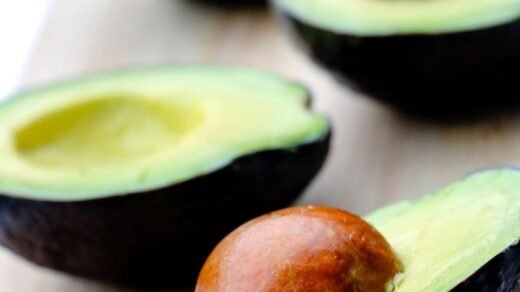
- Keep the pit in the half you are storing. The pit shields the flesh beneath it and reduces the exposed area slightly — though despite popular belief, it does nothing for the rest of the surface.
- Coat the cut surface with citrus. A squeeze of lime or lemon, or a light brush of olive oil, creates both an acid shield and a physical barrier.
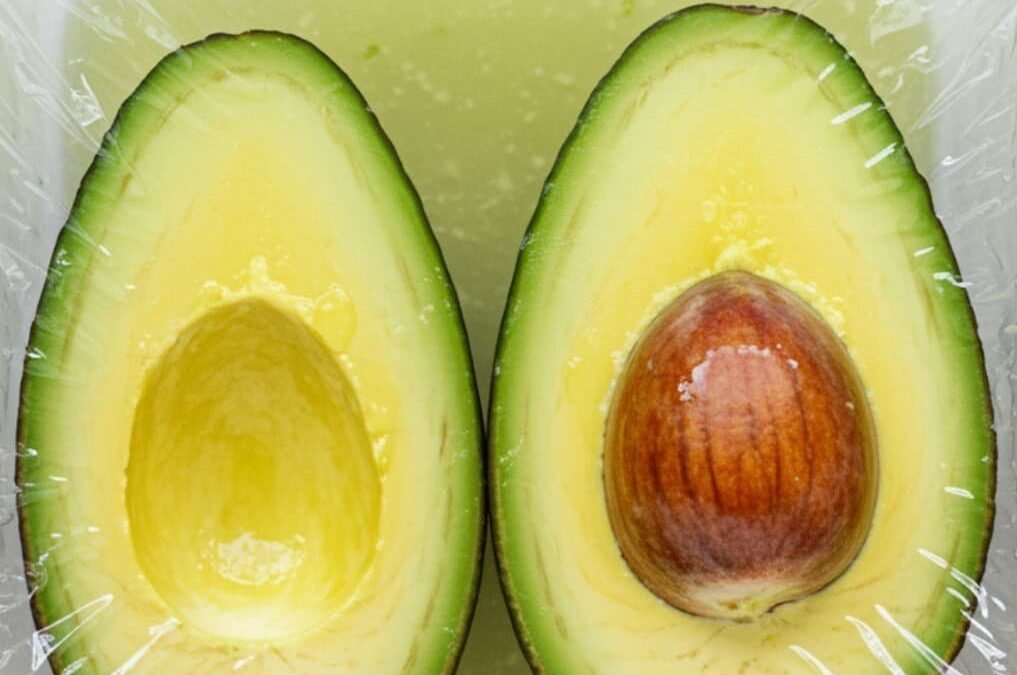
- Seal against the flesh. Press plastic wrap directly onto the cut side, or use a snug airtight container sized close to the half itself. Less trapped air means less browning.
- Refrigerate immediately. Expect a good-looking half for 24 hours, and a usable one for up to 2 days.
Slices and Dice
Slices and diced avocado have far more surface area, so they brown faster and need a slightly different approach. Toss them gently in a bowl with 1 to 2 teaspoons of lime juice per avocado, then pack them into a small container, press wrap onto the surface, and refrigerate. Plan to use them within 1 day for best appearance — this is the form used for salads and toast toppings, where looks matter most.
For a water-based barrier, the same trick home cooks use for festive sauces and dips applies broadly: an unbroken layer over the surface blocks oxygen entirely. If you have just learned how a beginner-friendly sauce comes together in our guide to making cranberry sauce from scratch, the preservation principle is identical — protect the surface and the color survives.
Mashed Avocado and Guacamole-Style Storage
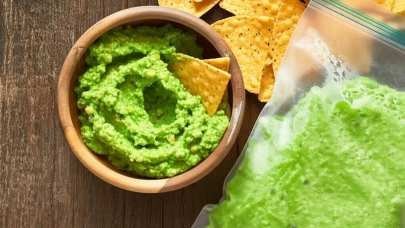
Mashed avocado stores like guacamole: pack it down to remove air pockets, smooth the top, and either press wrap onto the surface or float a thin layer of water or lime juice over it before sealing. This keeps it green for 24 to 48 hours refrigerated.
How Long Each Form Actually Lasts
- Ripe whole avocado, counter: 1 to 2 days before it over-ripens
- Ripe whole avocado, refrigerated: 3 to 5 additional days at peak quality
- Cut half, pit in, citrus, sealed, refrigerated: 1 to 2 days
- Slices or dice, citrus, sealed, refrigerated: about 1 day at best quality
- Mashed, surface sealed, refrigerated: 1 to 2 days
- Frozen halves or purée: 3 to 6 months; good for smoothies and sauces after thawing, not for slicing
The FoodSafety.gov food safety charts put refrigerated cut produce on a short clock generally, and avocado fits that pattern — treat two days as the outer limit for cut pieces, and always refrigerate at or below 40°F.
Salvaging a Browned Avocado
If the top has browned, do not throw the half away automatically. Shave off the discolored layer with a knife — usually just a thin slice — and check what is underneath. If the flesh below is green, smells fresh and buttery, and feels firm rather than slimy, it is fine to eat. Browned-but-sound avocado is also ideal for uses where appearance does not matter: smoothies, dressings, baking, and chocolate mousse all hide color completely while using the nutrition and texture you paid for.
Throw the avocado away if you find:
- A sour, fermented, or chemical smell
- Large dark spots or streaks running deep through the flesh rather than sitting on the surface
- Slimy or stringy texture throughout
- Mold anywhere on the flesh or skin
Common Mistakes That Speed Up Browning
- Storing the half without the pit and without citrus. That is maximum exposed surface with zero protection — the fastest route to brown.
- Using a big container for a small piece. A half avocado in a quart container sits in a pocket of oxygen. Match container size to contents.
- Wrapping loosely. Foil or wrap draped over a bowl leaves the surface in contact with trapped air. The barrier must touch the flesh.
- Leaving cut avocado on the counter “just for the afternoon.” Room-temperature oxidation is fast, and cut produce should not sit out more than about two hours anyway.
- Refrigerating an unripe avocado, then forgetting it. Cold can damage unripe fruit, but the bigger real-world problem is a ripe avocado pushed to the back of the fridge for a week. Store ripe ones up front where you see them.
- Judging safety by surface color alone. Shallow browning is harmless; deep streaks, off smells, and slime are the real discard signals.
Tips for Buying and Timing
The best storage strategy starts at the store. If you need avocado on Friday, buy firm fruit on Tuesday or Wednesday and ripen it on the counter, then move it to the fridge the moment it yields to gentle pressure — refrigerating at peak ripeness effectively pauses it for days. Buying a mix of ripeness levels in one trip (one ready now, two firm for later) is the simplest way to always have a good avocado and rarely have a wasted one.
Conclusion
Cut avocados brown because an enzyme in the flesh reacts with oxygen — so every good storage method is really an air-blocking method. Pit in, citrus on the surface, wrap pressed directly to the flesh, smallest container you have, straight into the fridge: that routine keeps a half green for a day or two and mashed avocado for up to two days. And when a little browning happens anyway, shave it off and judge by smell and texture, not by color alone. Most of the avocados people throw away were still perfectly good.
FAQ
Does leaving the pit in really stop an avocado half from browning?
Only the small area of flesh directly under the pit is protected, because that spot never touches air. The rest of the cut surface browns at the normal rate, so the pit helps slightly but is no substitute for citrus juice and an airtight seal pressed against the flesh.
Is a browned avocado safe to eat?
Surface browning from oxidation is safe — it is a cosmetic change, and the flesh underneath is usually fine. Discard the avocado if the browning runs deep in streaks, or if there is a sour smell, slimy texture, or mold. When in doubt on smell or texture, throw it out.
Can you freeze cut avocados?
Yes. Halves and purée freeze well for 3 to 6 months, especially with a little lemon juice mixed into purée. The texture softens after thawing, so frozen avocado works best in smoothies, sauces, dressings, and guacamole rather than as slices for toast or salads.
Which works better for cut avocado: lemon juice, lime juice, or oil?
Lemon and lime juice work best because they combine an acid effect with a surface coating, and lemon is slightly more effective due to its ascorbic acid. Oil blocks air but adds no acid protection, so it is a decent backup. Combining citrus with a tight, flesh-contact seal beats either alone.