Yesterday’s roast only becomes boring when it returns to the table unchanged, reheated on the same plate with the same sides. Treated as an ingredient instead, cooked chicken, rice or vegetables can reappear as soup, fried rice, tacos or a frittata that nobody recognises as a repeat. Comparing the main transformation routes shows which one rescues which kind of leftover best. Eggs sit at the centre of several of those routes, and anyone who masters deviled eggs made from scratch at home already understands how a plain cooked egg becomes something guests reach for first, which is precisely the spirit a leftover supper needs.
Leftover Safety Limits Every Transformation Obeys
Reinvention never outranks safety, so the clock starts when the original meal ends. Guidance published by the Agriculture Department advises getting cooked food into the refrigerator within two hours of cooking, and within one hour when the surrounding temperature climbs above ninety degrees Fahrenheit, as it easily can at a summer picnic or inside a hot car. Once chilled, most cooked leftovers should be eaten within about three to four days. Those two limits, prompt chilling and a short stay, decide what may be transformed and what must simply be discarded without regret.
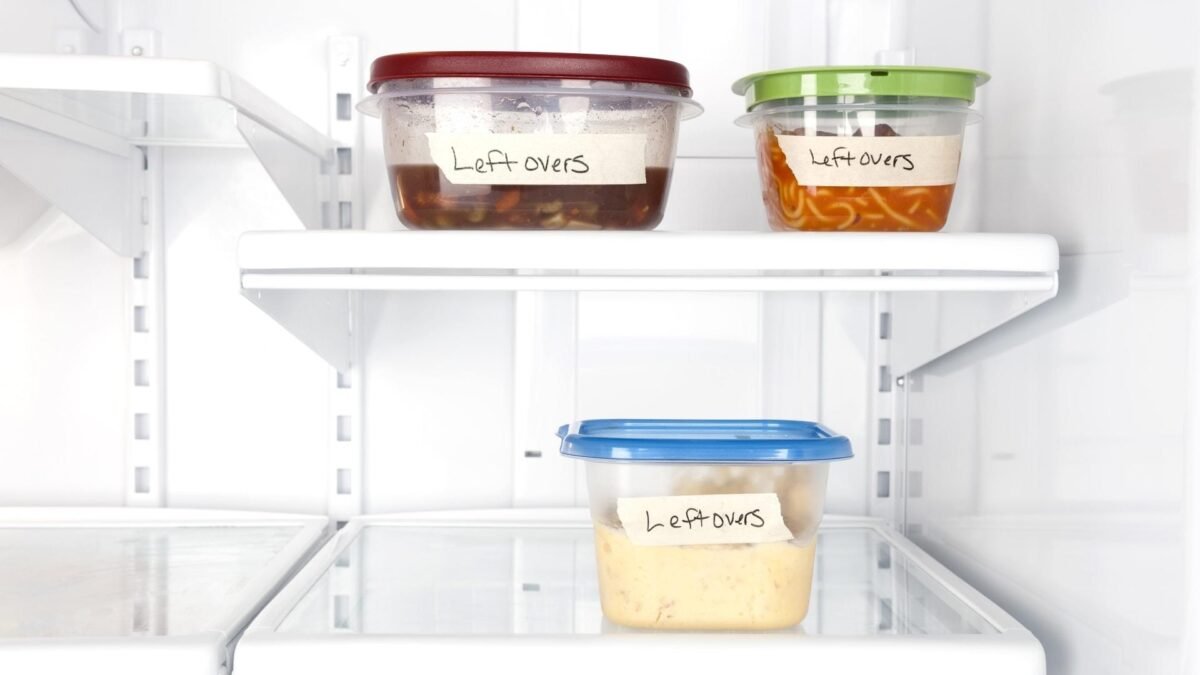
Cooling speed matters as much as the refrigerator itself. A deep pot of soup or a dense casserole holds warmth at its centre for hours, lingering in temperatures where bacteria multiply happily. Dividing a large batch among shallow containers lets the cold reach everything quickly and evenly. Labels finish the job: a strip of tape carrying the contents and the date a dish went into the cold removes guesswork later in the week. The broader history covered by Wikipedia’s background entry on leftovers and their handling shows how recently reliable home refrigeration turned keeping cooked food from a gamble into a routine.
Reheating carries its own rules. Bring a transformed dish to about one hundred sixty five degrees Fahrenheit, steaming throughout rather than warm at the edges and cool in the middle, and serve it promptly. Heating food more than once multiplies risk and ruins texture, so reheat only the portion the table will eat and leave the rest cold. When a container smells off, looks slimy or has outstayed its days, believe the evidence in front of you and let it go.
Grain Bowls Versus Fried Rice for Leftover Proteins
A grain bowl is the gentlest rescue available. Warm rice, couscous or another cooked grain forms the base, sliced leftover protein arranges over the top, and a sauce plus something crunchy or pickled ties the bowl together. Nothing needs precise timing, cold components can sit beside warm ones, and each person at the table can build a slightly different bowl from the same spread. Roast chicken, grilled steak and baked salmon all suit the format, provided the sauce changes with the protein so the bowl reads as a fresh composition rather than a reheated plate in disguise.
Fried rice demands more from the cook and returns more. The rice itself must be cold and dry, the pan properly hot, and the additions cut small enough to heat in moments. In exchange, leftover protein disappears into a dish with its own identity, crisp edges and savoury depth, especially when an egg threads through it and scallions land on top at the end. Bowls win on ease and flexibility; fried rice wins when the rice is already cooked and waiting, when appetites want something hot and substantial, and when the leftovers are scrappy pieces rather than handsome slices worth displaying.
Choosing between them comes down to the state of the ingredients. Intact portions, a chicken breast or a piece of fish that still looks appealing, belong on a bowl where they stay the centrepiece. Ragged ends, half a sausage, a spoonful of peas and the last of a roast belong in the pan, where small pieces are an advantage. Either route benefits from one element that was not in the original meal: fresh herbs, a squeeze of citrus, quick pickled onions or a sauce mixed that day. That single new note is what convinces everyone, cook included, that supper is new.
Soups and Frittatas Compared as Leftover Vehicles
Soup accepts quantities and shapes that defeat other dishes. Aromatics soften in oil, stock goes in, and then the leftovers follow in order of need, dense vegetables first and cooked meats near the end so they warm without toughening. Cooked rice thickens a soup agreeably, roasted vegetables blend into a smooth bowl with stock and a little cream, and a tired roast chicken becomes a soup that tastes as though it had been the plan all along. Soup also scales gracefully, stretching a small amount of leftover protein across several bowls when the week runs lean.
A frittata solves the opposite problem, small amounts of many things. Beaten eggs poured over warmed leftovers in an oven safe skillet set into a sliceable dish that serves breakfast, lunch or supper and travels well to a lunchbox the next day. The egg theme explains why cooks who enjoy the Wikipedia entry on the frittata and its Italian roots treat the dish as a canvas: potatoes, greens, cheese, roasted peppers and cooked meats all disappear into it without quarrelling. Pull it from the oven while the centre still trembles faintly, because residual heat finishes the setting and an extra few minutes turn tenderness into rubber.
Head to head, soup suits wet leftovers, bones, and anything already sauced, while a frittata suits dry, firm items that hold their shape in slices. Soup freezes beautifully and reheats without complaint; a frittata is happiest eaten fresh or at room temperature on the day it is made. A household that learns both vehicles covers nearly every refrigerator situation it will meet. Add a green salad or good bread beside either one and the transformed meal feels complete, with no sense that the table settled for second best.
Tacos, Wraps and Quesadillas for Mixed Leftover Bits
A warm tortilla forgives almost any combination placed inside it. Shredded roast meats, grilled vegetables, beans, rice and cheese fold into tacos or wraps, and a squeeze of lime plus a spoonful of salsa makes the whole thing taste intentional. Mixed bits that look hopeless on a plate, the end of a pepper, a little corn, a few slices of sausage, become a filling with variety as its selling point. Wraps also portion leftovers honestly, since each person takes what they will actually eat and the remainder stays wrapped for another day.
Quesadillas handle the smallest scraps best of all. Cheese acts as edible glue, binding chopped leftovers between two tortillas crisped in a dry pan, and even a few spoonfuls of filling produce a satisfying result. Serve with something fresh alongside, shredded cabbage, a quick slaw or sliced cucumber, because richness alone cloys quickly. Flatbreads, pitta pockets and large lettuce leaves extend the same idea for households avoiding tortillas, and a toasted sandwich press turns yesterday’s roast vegetables and cheese into a lunch nobody would identify as a rescue operation.
Heat and moisture need watching in this family. Wet fillings, saucy stews or freshly cooked rice still steaming, sog a tortilla before it reaches the table, so drain or briefly fry wet components first. Cold dense fillings need a minute covered in the pan so the centre warms before the outside browns. Beyond those two warnings, wraps ask almost nothing, which is why busy households lean on them during the exact weeks when leftovers pile up fastest and cooking energy runs lowest at the end of the day.
A Weekly Fridge Clearance Night That Prevents Waste
Transformation works best as a rhythm rather than a rescue mission. Choose one evening each week, the night before the main shop usually serves well, and declare it the clearance meal. Open every container, spread the candidates on the counter, and sort them by urgency: items at the end of their safe days cook tonight, sturdier items can anchor the meal, and anything questionable leaves without debate. Children often enjoy this night more than a formal supper, especially when bowls or wraps let them assemble their own plates from the spread on offer.
A small standing stock makes the rhythm possible. Tortillas, eggs, stock, rice, cheese and a jar of something pickled turn random containers into a coherent meal without a shopping trip. Check that stock during the weekly sort and replace what ran out, because the system fails the first evening the eggs are missing. Cooking one fresh component on clearance night, a pot of grains or a tray of eggs, also helps, giving the older items a fresh anchor and making the table feel hosted rather than improvised under pressure.
The habit pays for itself quietly. Food bought and then discarded is the most expensive food a household handles, and a weekly clearance steadily reduces that waste while stretching the grocery budget across more actual meals. It also teaches everyone to see containers as ingredients with deadlines, which changes shopping itself: fewer hopeful duplicates, smaller quantities of perishables, and a freezer used deliberately for soups, stews and cooked meats that hold well for about three months.
Leftovers Not Worth Saving and When to Let Them Go
Discernment belongs in the system alongside enthusiasm. A salad already dressed wilts into a texture no transformation redeems, although its undressed components, kept apart, might have survived happily. Food that sat out beyond the safe window at a party or in a lunchbox belongs in the bin however expensive it was, because no later cooking makes that history safe again. Anything that has already been reheated once should finish its story at that meal rather than returning to the refrigerator for a second revival later in the week.
Honesty about appetite matters too. Saving a portion nobody in the household enjoys merely delays its disposal and crowds the shelves where useful food should sit. Freeze a modest amount of a well liked dish promptly instead of refrigerating a mountain of it, and cook smaller original quantities when a recipe repeatedly outlasts its welcome. Some items simply peak at their first serving: crisp fried coatings, delicate greens and most dressed grains decline no matter how carefully they are stored, and recognising them in advance lets a cook serve generous first portions instead of hoarding sad seconds.
Weighed as a whole, the recommendation is simple. Keep fried rice and frittatas as the household defaults, since between them they absorb most cooked proteins, grains and vegetables a week produces, and let soups and wraps handle the remainder on clearance night. Respect the two hour and three to four day limits without exception, add one fresh element every time, and discard the small minority that should never have been saved. Followed steadily, that pattern turns leftovers from a recurring disappointment into one of the most useful ingredients a home kitchen keeps.