
Work travel compresses days into meetings, unfamiliar meals, and late arrivals, leaving fitness feeling like one demand too many. Yet frequent travellers do not need a perfect routine; they need a small one that survives delays and tired evenings. Short sessions, deliberate walking, and guarded sleep compound quietly across many trips. The aim is returning home feeling capable, not punished by an unrealistic programme.
How Can a Short Hotel Workout Fit Around Meetings?
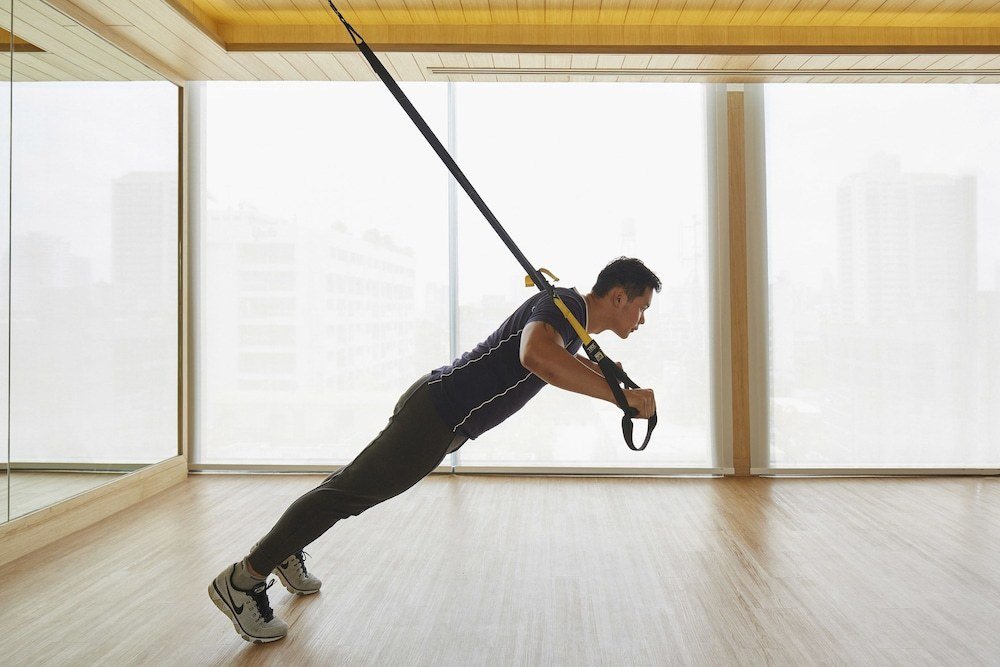
A short session works on the road because it asks for very little negotiation. Twenty spare minutes before breakfast or between a meeting and dinner is enough for a simple circuit of squats, press ups, a plank, and some controlled lunges beside the bed. The movements need no equipment, the floor space is tiny, and the whole effort ends before tiredness turns into an argument with yourself. Travellers who decide the session in advance, down to the exercises and the order, start far more often than those who promise to improvise something later in an unfamiliar room.
Building a routine that adapts to unfamiliar rooms and changing schedules removes daily guesswork, and a structured plan handles that thinking for you. Following an ai workout plan built for travel days gives each morning a ready answer, whether the hotel offers a small gym, a bare room, or only a corridor and a chair. The plan can scale effort up on quiet days and trim it back when a flight lands late, which keeps the habit alive instead of swinging between heroic sessions and complete collapse.
Protect the session by attaching it to something that already happens. Train before the first meeting and the day cannot steal it, or train while colleagues answer messages and treat the slot as part of the working timetable. Lay out clothes the night before, keep water nearby, and stop while you still feel capable rather than exhausted. A business trip rewards arriving at dinner alert and steady, so the workout should sharpen the day, not compete with it. Consistency across many ordinary trips builds far more fitness than one punishing session followed by a week of soreness and excuses.
What Should You Pack to Train Anywhere Without a Gym?
A light resistance band, a pair of training shoes you already wear for walking, and clothes that dry quickly cover nearly every situation a work trip creates. The band turns a hotel door frame and a sturdy chair into a small gym, adding rows, presses, and leg work to basic bodyweight movements. Everything fits along one edge of a suitcase and weighs almost nothing, which matters because equipment that competes with luggage space gets left behind after the first few trips. Pack the same small kit every time so readiness becomes automatic rather than a fresh decision.
Understanding what you are maintaining helps the modest kit feel worthwhile. Public health evidence supports the modest scale of it: the World Health Organization page on physical activity and adult health sets out how regular activity brings significant physical and mental health benefits for adults, improving muscular and cardiorespiratory fitness, bone health, and functional health. Those benefits translate directly to travel: you are training to climb stairs with a bag, sit through long days without stiffening, and sleep in a strange bed without your back complaining. A band and your own bodyweight address exactly those capacities, handled patiently and often.
Keep packing boring in the best sense. One set of training clothes washed in the sink on rotation, a small towel, and headphones for a guided session or music remove the usual friction. If the hotel gym exists, treat it as a bonus rather than the plan itself, since opening hours and crowded equipment disappoint often. Travellers who can train in the room never lose a session to a closed gym door. The suitcase kit also travels between hotels without ceremony, which suits trips that hop between cities every second night.
How Do You Eat Well When Clients Choose the Restaurant?
Client meals remove control over the menu, yet they leave you in charge of pace, portions, and small choices within the meal. Scan the menu for grilled, roasted, or simply cooked dishes, ask for vegetables or salad where they fit naturally, and let rich sauces arrive on the side when the kitchen allows it. Eat slowly enough to notice fullness, because conversation stretches a meal and second helpings appear almost by politeness. None of this needs announcing to the table; quiet choices draw no attention and keep the evening about the relationship rather than your routine.
The hours around the hosted meal matter more than the meal itself. Eat a proper breakfast with protein and fruit, keep a simple snack available during long meetings so you never arrive at dinner ravenous, and drink water steadily through the day. A starving traveller orders the heaviest plate and finishes everything, while a comfortably fed one can enjoy the same restaurant moderately. Alcohol deserves the same calm handling: one drink savoured slowly sits very differently in the evening than refills accepted on autopilot, and alternating with water protects both sleep and the following morning.
Accept that some evenings will simply be indulgent, and let them be. Work travel includes celebration, local specialities, and hosts proud of their choices, and grim refusal helps nobody. Balance returns through the ordinary meals you do control across the trip, the walk back to the hotel, and a normal breakfast the next day. Travellers who treat one generous dinner as a disaster often abandon the whole week, while those who shrug and continue quietly end the trip in much the same shape they started it.
Why Does Protecting Sleep Matter More Than One Extra Session?
Sleep is the quiet foundation under every other healthy choice on the road. A short night sharpens appetite, dulls patience in meetings, and turns even a gentle workout into a chore, while a rested traveller moves more, eats more calmly, and recovers from training properly. Reference writing on the subject, such as background reading on physical fitness and wellbeing, frames fitness as a state of health and the ability to perform the tasks of sports, work, and daily life, and that state is rebuilt during rest as much as it is spent during effort. Those gains depend on recovery, and recovery happens mostly in bed.
Practical habits guard that recovery in strange rooms. Writing on rest habits describes sleep hygiene as the behavioural and environmental practices intended to promote better quality sleep, and the practices translate well to hotels. Dim the room early, keep it cool, put the phone to charge away from the pillow, and hold a roughly steady bedtime even when the schedule wobbles. A short wind down with a shower and a book signals the day is over far better than messages answered under the covers.
When a late arrival or an early departure cuts the night short, trade the workout for sleep without guilt. The arithmetic is simple: an extra hour of rest supports the whole following day, while a dawn session on broken sleep often costs more energy than it returns. Frequent travellers learn to read their own tiredness honestly and adjust the plan rather than obeying it blindly. Over a long career of trips, that judgment protects health far better than rigid discipline ever could.
How Can Walking Between Commitments Become Real Exercise?
Walking is the most reliable exercise business travel offers, because the day already contains the gaps it needs. Walk from the station to the hotel when the distance and luggage allow it, choose the farther coffee shop between meetings, and take stairs in offices and hotels whenever the floors are reasonable. Each choice is small, yet a trip with several meetings a day can quietly gather a serious amount of movement without a single minute formally scheduled. Comfortable shoes make the whole strategy possible, so pack and wear them deliberately rather than suffering through decorative footwear.
Walking also solves problems exercise alone cannot. Daylight between meetings resets concentration, a stroll after dinner settles a heavy meal, and moving through a new city on foot teaches you its layout in a way taxis never do. Travellers often return from a walk with clearer thinking about the very meeting they walked away from. Treat these outings as part of the work as much as part of the routine, and they stop feeling like stolen time.
On days when the schedule truly leaves nothing, a short walk still beats a skipped everything. Ten unhurried minutes around the block after dinner keeps the chain of daily movement unbroken and helps sleep arrive. The habit matters more than the distance on any single day, because trips repeat across months and years. Travellers who walk whenever the day permits come home with legs that feel used, heads that feel clearer, and routines that were never really interrupted at all.
How Do You Restart After a Trip That Went Badly?
Some trips defeat every intention: flights collapse, dinners run long, and the training clothes never leave the suitcase. The restart begins by refusing to punish yourself for it. Eat a normal breakfast at home, walk somewhere pleasant, and do one short, easy session within a day or two of returning. Gentleness restores the habit faster than a brutal compensating workout, which usually produces soreness and another week of avoidance.
Then look at the failed trip like information rather than failure. Perhaps the sessions were scheduled too late in the day, the kit was buried, or every evening belonged to clients. Adjust one detail before the next trip, such as training before breakfast or packing the band in hand luggage, and let the system improve gradually. Frequent travellers build their routines across dozens of imperfect trips, not during one flawless week.
What Counts as Enough on a Genuinely Restful Day?
A rest day on the road still benefits from light movement: a slow walk, gentle stretching while the kettle boils, and stairs taken without hurry. The aim is circulation and looseness rather than effort, leaving muscles and mind ready for the next session. Rest days are part of training rather than an interruption to it, especially when travel itself already tires the body through noise, waiting, and broken routines.
Judge the day by how you feel the following morning. Waking clearer, hungrier for breakfast, and willing to move again means the rest did its work. Travellers who honour those quiet days sustain their routines across years of trips, while those who fear them tend to burn out and abandon the whole effort each time work gets busy.



One comment