Three hours into a summer drive, stiff denim and a heavy shoe start arguing with every mile. The travellers who arrive fresh are not the ones who packed the most clothes — they are the ones who chose fabric and fit for sitting still in the heat.
The mistakes below are the ones that turn a pleasant drive into a long ache, and each one has a simple fix that takes no extra luggage. Read them in order, then use the second half of this piece as your morning checklist before you set off. If you are still shaping the journey itself, the plan a cheap road trip across the US page will help you sort the route and the stops first, so the outfit is the last thing you need to worry about.
The stiff outfit that punishes long sitting
Stiff denim with no stretch feels fine standing in front of a mirror, yet three hours into a drive it starts to press at the waist, bite behind the knees, and pull at the shoulders every time you reach for the wheel. The fabric does not move with you, so every small shift in the seat becomes a tug, and by the first fuel stop you are already longing to change. A tight belt over rigid denim adds to the pressure.
The fix is simple: choose bottoms with stretch and a waistband that gives a little when you sit. Soft trousers, stretch denim, or a loose skirt all let you settle into the seat instead of fighting it. Sit down in the outfit for a few minutes before you leave, because standing comfort tells you nothing about hour four.
Heavy fabric that traps heat by noon
Thick cotton, heavy twill, and tight synthetics feel warm and safe in the cool of the morning, yet by noon they hold heat against the skin and turn the seat into a warm patch you cannot escape. Loose weaves and natural fibres let air move against the skin, while tight synthetics trap sweat and grow clammy over hours of sitting, so the fabric you choose matters more than the number of layers you wear.
Pick light, loose weaves that let air through, such as linen blends, light cotton, or open-knit tops, and leave the heavy fabrics at home. A loose top keeps air moving around you even when the seat holds you still. Save heavier tops for the evening, and wear the lightest thing you own for the middle of the day.
Shoes that pinch after the first stop
New shoes, stiff leather, and tight straps all feel fine for the short walk to the car, yet after an hour with your feet held in one place they start to pinch at the toes and rub at the heel. Feet swell a little in heat, so a shoe that fit in the morning can feel tight by the afternoon.
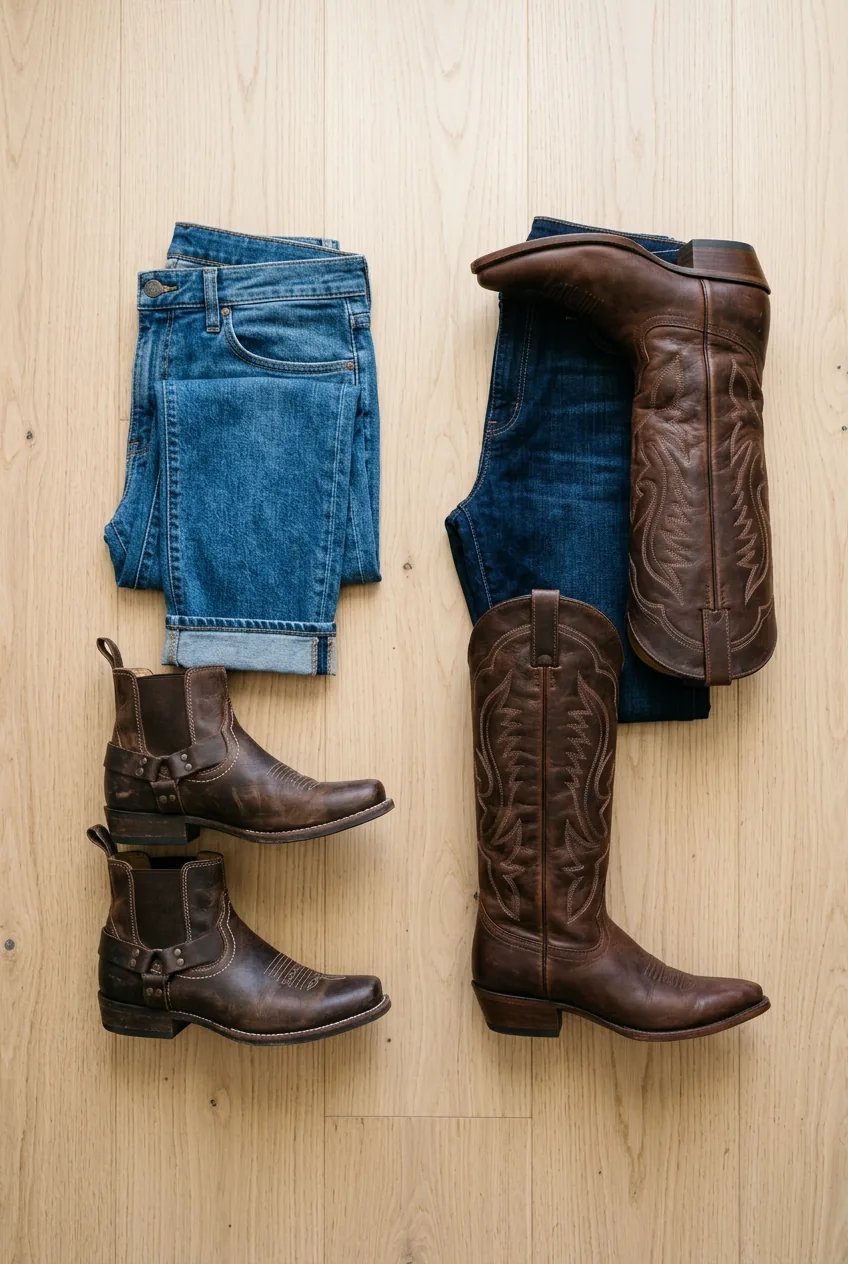
Wear shoes you have already broken in, with soft uppers and a flexible sole that bends when you walk. Slip-on styles work well for drivers, since you can ease them off at a rest stop and let your feet breathe for a few minutes. Keep a pair of light sandals or soft trainers within reach for stops, and change into them the moment you step out of the car.
Forgetting the chill of the car air
Summer heat fills your mind when you dress in the morning, yet the car air can run cold enough to raise goosebumps within an hour, especially on a long stretch with the vents aimed at your chest. A thin top that felt perfect in the driveway leaves your arms cold by the second hour, and the chill settles into your shoulders and stays there.
Carry a light layer even on the hottest day, such as a thin cardigan, a soft overshirt, or a light fleece that folds small. Put it on when the air turns cold and take it off at stops, and keep it on the seat beside you rather than buried in a bag in the boot. A layer that handles sun and shade both is worth more than two layers that only suit one of them.
Dark colours under a high sun
A black top looks smart and hides marks well, yet under a high summer sun it soaks up heat and turns into a warm layer you cannot take off while you drive. Light colours reflect more of the sun than dark ones, which is why a pale top feels cooler than a black one on a bright day, and the difference grows with every hour the sun stays up.
Choose pale tops and mid-tone bottoms for the driving hours, and save dark colours for the evening when the sun has dropped. A white or cream top keeps you cooler and still looks neat at a roadside stop. Health guidance on sun safety recommends shade, a wide hat, and sunscreen on exposed skin, since car windows do not block every harmful ray; see the facts on how sunburn happens and how to avoid it.
Jewellery and belts that dig in
A heavy belt buckle, a chunky watch, and a stack of bangles all feel fine when you are standing, yet each one finds a way to press against the seat, the wheel, or the belt strap once you sit down. The seat belt should lie flat across the body, so bulky buckles and thick waistbands underneath it can press uncomfortably on a long drive, and a wide metal buckle under the belt strap leaves a sore spot by the end of the day.
Leave the heavy pieces at home and wear only what sits flat and light. A slim belt with a small buckle, a light watch, and one simple chain will carry you through the day without a single pinch. If you love a larger piece, pack it and put it on when you arrive.
Packing the spare outfit out of reach
A spare outfit is only useful if you can reach it, yet many travellers bury it at the bottom of a bag in the boot, under suitcases and snack boxes, where it might as well be at home. A spill at lunch or a sweaty shirt by mid-afternoon both call for a change, and digging through the boot at a busy rest stop is the last thing you want to do.
Keep the spare set in a small bag on the back seat or in the footwell, where one hand can reach it without unpacking anything. Pack a fresh top, fresh underlayers, and a pair of socks, since those three items cover most of the reasons you would want to change.
The right way to dress for the drive
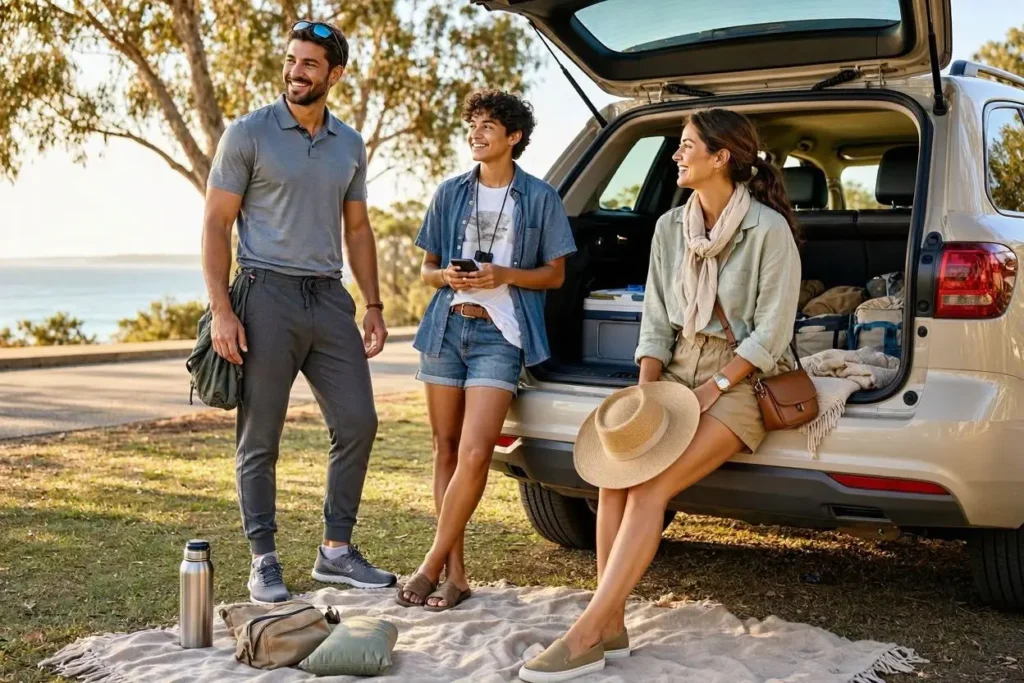
Now put the fixes together into one outfit for the morning. Start with soft, stretchy bottoms and a loose, light top in a pale colour, add broken-in shoes with a flexible sole, and lay a light layer on the seat beside you for the cold spells. Keep jewellery light and flat, wear a wide hat for stops, and put sunscreen on your arms and face before you set off. The whole outfit should feel like nothing at all when you sit down, because the best driving clothes are the ones you forget you are wearing.
Think of the outfit as a system, where each piece handles one part of the day: the fabric handles the heat, the layer handles the cold air, the shoes handle the stops, and the spare set handles the surprises. A road trip is mostly about the hours between stops, so dress for those hours first, as the story of what a road trip involves makes clear. Test the full outfit by sitting in the car for a few minutes before you leave.
Fabrics that breathe while you sit
The best driving fabrics are the ones that let air move and dry fast, and they are easy to spot once you know what to feel for. Hold the fabric up to the light: if you can see a faint glow through the weave, air will pass through it too. Linen and linen blends are the classic choice, since they feel cool and dry quickly, while light cotton and bamboo blends offer the same comfort with a softer hand.
Avoid tight synthetics that cling when you sweat, heavy denim that holds heat, and thick jersey that stays damp for hours. If you are unsure about a top, wear it around the house for an hour on a warm day first. Wash the driving outfit the night before, and pack a second light top in case the first grows damp.
Layers that handle sun and shade
A good layering plan for a summer drive uses three light pieces that you can add or remove in seconds, rather than one heavy piece that only suits a single moment. Start with a light base layer that sits close to the skin and moves sweat away, add a loose top that shades your arms, and keep a thin outer layer ready for cold air, evening shade, or a sudden rain shower at a stop.
Choose layers in pale colours that work together, so any combination still looks neat when you step out at a stop. A thin cardigan, a soft overshirt, and a light rain shell cover almost every shift in weather a summer day can offer. Put the outer layer on before you feel cold, and take it off at stops so you cool down naturally.
A spare set kept close at hand
The spare set deserves its own small bag, packed the night before and placed where you can reach it without leaving your seat. Inside it, pack a fresh top, fresh underlayers, a pair of socks, and a small towel, and add a few wipes for quick clean-ups. Keep the bag on the back seat or in the passenger footwell, never in the boot, because a spare set you cannot reach is a spare set you will not use.
Change the top after a hot stretch, swap the socks at a long stop, and freshen up before the evening meal, and the second half of the drive will feel like a new day. The National Highway Traffic Safety Administration advises drivers to take regular breaks on long journeys, because tiredness builds quietly and a short stop restores attention, and a quick change of clothes at one of those stops is one of the simplest ways to feel human again.