Powdered mixes train people to expect lemonade to taste like candy dissolved in water, so a first glass made from actual lemons can land as a small shock. The encouraging part is how little stands between a beginner and that glass. A pitcher, a knife, something to squeeze with, and ten minutes of unhurried work cover the whole method. No cooking skill is tested, no timing is tight, and every stage forgives a beginner who measures loosely, provided the lemons are fresh and the sugar is properly dissolved before the pitcher meets any ice.
Rolling and Juicing Lemons for Homemade Lemonade
Begin by choosing fruit that feels heavy for its size, with thin, smooth skin and a little give under the thumb. Heavy lemons carry more juice, while thick skinned fruit gives more pith than liquid. Let cold lemons warm on the counter for a while before juicing, because fruit at room temperature releases its juice more willingly than fruit straight from the refrigerator. A brief roll is the next step, and it matters more than most beginners expect from such a simple gesture.
Roll each lemon firmly under the palm, pressing down as it moves across the counter. That pressure ruptures the tiny juice sacs inside the segments, so the fruit yields noticeably more when cut and squeezed. Cut each lemon across its middle rather than from end to end, which exposes more of the segmented flesh and gives a hand or a reamer better purchase. Squeeze steadily instead of twisting violently, and strain the juice through a small sieve to catch seeds and coarse pulp.
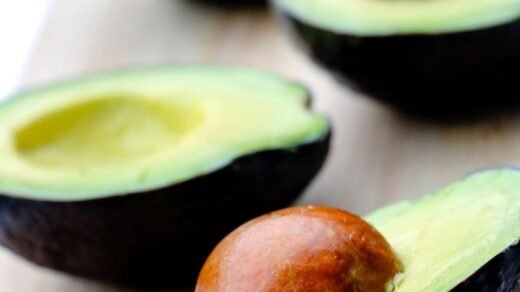
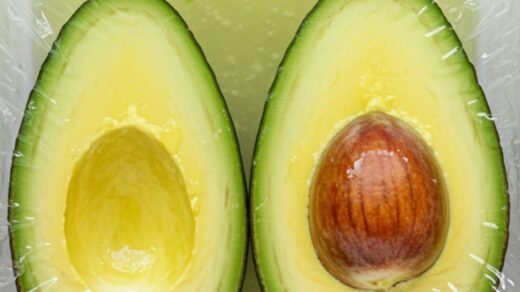
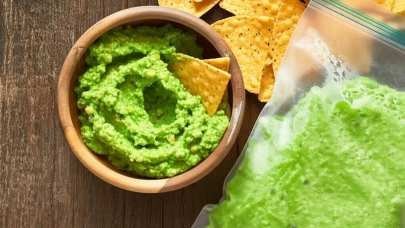
Count on roughly six to eight lemons for one cup of juice, though size and ripeness shift that figure either way. Juice a spare lemon whenever the bowl looks short, because lemonade built on scant juice tastes watery no matter how carefully the rest is handled. Lemon juice also does quiet work beyond its own flavour, since its acid slows browning on cut fruit, which is the same principle behind keeping guacamole green overnight with a little citrus in a very different bowl.
Bottled juice works in a pinch, and a beginner caught short should use it without apology rather than abandon the pitcher. Still, heat processing dulls the bright, volatile aromas that make fresh lemonade taste alive, and bottled juice often lands flatter and slightly cooked in flavour. The honest comparison favours fresh fruit whenever lemons are available and reasonably priced. Buy bagged lemons rather than loose ones when possible, since bags usually cost less per fruit and a batch consumes several at a sitting.
Simple Syrup Versus Granulated Sugar in Lemonade
Sugar stirred straight into cold lemon juice is the one genuine trap in an otherwise forgiving recipe. Granulated sugar dissolves slowly in cold liquid, settling into a gritty layer low in the pitcher while the top tastes thin and sharp. Stirring longer helps only partly, and the first glasses poured end up weaker than the last, which arrive sweetened by the sludge below. Many disappointing first attempts fail at exactly this point while the maker blames the lemons or the ratio.
Simple syrup removes the problem entirely. Heat equal parts sugar and water in a small pan, stirring until the liquid turns completely clear, then move the pan aside and allow the syrup to cool. One cup of sugar with one cup of water gives enough syrup for a full pitcher with a little to spare. The cooled syrup blends into cold juice instantly and evenly, sweetening every glass the same, and any leftover keeps in the refrigerator for weeks as a general sweetener for iced drinks.
A strip of lemon zest left in the warm syrup for a short while adds a fine aroma, provided only the yellow surface is used and the bitter white pith stays behind. Remove the strip before the syrup meets the juice, unless a stronger perfume is wanted. The wider background of the drink itself is set out in Wikipedia’s lemonade entry, which follows the drink around the world through its many sweetened and unsweetened forms, a reminder that the syrup method belongs to a long tradition rather than a modern shortcut.
Granulated sugar keeps one honest advantage, which is that it asks for no pan and no cooling time. A beginner in a hurry can dissolve sugar directly in the lemon juice alone, stirring patiently for several minutes, since undiluted juice takes sugar more willingly than a full pitcher of water does. Warm water helps too. Even so, syrup wins the comparison for reliability, and making a small jar of it in advance turns future pitchers into a five minute assembly with no grit and no guesswork.
The Classic Lemonade Ratio a Beginner Can Trust
The dependable starting ratio combines one cup of fresh lemon juice, one cup of sugar made into syrup, and about six cups of cold water. Together they give close to two quarts of lemonade, enough for a table of drinkers with a glass or two each. The method runs in plain steps. Roll and juice the lemons, make and cool the syrup, stir syrup and juice together in the pitcher, add the cold water, taste, and adjust before any ice goes in.
Adjustment is where a beginner earns a balanced pitcher. Too sharp usually means the water can take a little more syrup, while too sweet and flat calls for another squeeze of lemon rather than more water, which would dilute everything else. Add changes in small amounts and taste after each one, because a pitcher pushed too far in either direction is hard to bring back. Chilling dulls both sweetness and acidity slightly, so mix the lemonade a shade brighter than the taste you want at serving.
Water quality shows in a drink this plain. Heavily chlorinated tap water can carry its flavour straight into the pitcher, and filtered water gives a cleaner result when the local supply tastes strongly treated. Add the water cold rather than at room temperature so the finished lemonade needs less ice to reach a refreshing chill. Ice added to a warm pitcher melts quickly and waters the drink down before the second round of glasses is poured.
That handful of steps is the whole recipe, and their active work honestly fits inside about ten minutes once the syrup has cooled. Nothing needs to rest, proof, or be watched at the stove. A beginner who follows the ratio once will usually make the second pitcher from memory, adjusting lemons and sugar toward a personal preference that bottled drinks and powdered mixes never allowed. Keep the first batch classic, learn its balance, and treat variations as a reward for later pitchers.
Chilling and Serving Homemade Lemonade Well
Chill the pitcher in the refrigerator until the lemonade is properly cold, which concentrates the refreshment far better than a mountain of ice in a lukewarm drink. Serve over fresh ice in each glass rather than icing the whole pitcher, unless the pitcher will be emptied within the hour. Ice melts steadily, and a pitcher that sits out at a cookout grows weaker with every passing half hour, which is why experienced makers brew the batch slightly strong when it must stand outdoors.
Lemon juice keeps its brightest flavour when the pitcher is served the same day it is mixed. A refrigerated batch stays pleasant for roughly two to three days, though the aroma fades a little each day and the taste turns duller and more one note. Stir the pitcher before pouring on a later day, because a little separation and settling is normal. If a stored batch tastes tired, a fresh squeeze of lemon and a spoonful of syrup stirred in can lift it noticeably.
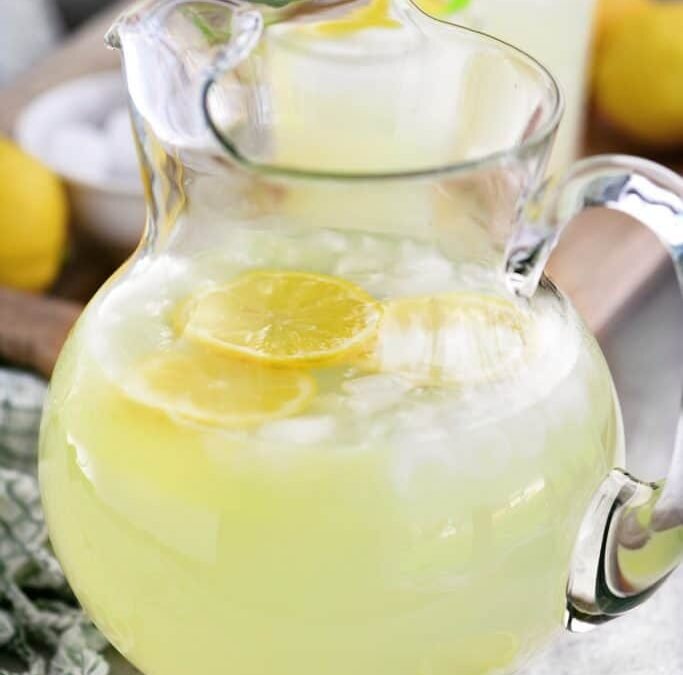
Presentation needs little effort. A few thin lemon slices floating in the pitcher and a clean rim on each glass make the drink look like the occasion it usually marks. Glasses chilled in advance keep servings cold without extra melting. For a crowd, set out a second smaller pitcher of plain water and extra syrup alongside, so drinkers who prefer a weaker or sweeter glass can adjust their own rather than asking the maker to rebuild the whole batch to a compromise nobody loves.
Anyone curious about the fruit itself, from its origins to how it is grown today, will find the details collected in the lemon entry maintained by Wikipedia, detailing the fruit and its cultivation across warm climates worldwide. That background explains small practical points too, such as why varieties differ in acidity and skin thickness, and why a bag of lemons from one shop can yield noticeably more juice than a similar bag from another.
Lemonade Variations a Beginner Can Handle Next
Change one element at a time once the classic pitcher feels routine. A sparkling version replaces part of the still water with sparkling water added at the very last moment, so the bubbles survive to the glass. The ratio of juice and syrup stays the same, which makes the variation almost impossible to get wrong. Serve it immediately and in smaller batches, since a sparkling pitcher left standing loses its lift and becomes an ordinary, slightly thin lemonade within the hour.
Fruit variations follow the same restraint. A handful of crushed strawberries or raspberries stirred into the finished lemonade gives colour and a gentle berry note after a short rest in the refrigerator, and the pitcher should be strained if seeds bother the drinkers. Herbs work too, with mint or basil leaves bruised lightly and left in the cold pitcher briefly before serving. Add herbs late and remove them once their flavour registers, because leaves left overnight turn the drink grassy and dull.
Meyer lemons, when they appear in season, make a sweeter and more floral pitcher with the same method, needing a little less syrup than ordinary lemons. Lime can replace part of the lemon juice for a sharper edge, though a full lime version tastes harsher and usually wants more sugar. A pinch of salt sounds odd yet quietly sharpens flavour in any of these versions and reduces the amount of sugar the drink seems to need, a trick worth trying in a single glass first.
Keep notes on any variation that earns a second making, with the fruit used and the adjustment chosen written down while memory is fresh. Lemonade forgives freely, but a written note turns a lucky pitcher into a repeatable one. The beginner who began with a bag of lemons, a pan of syrup, and ten minutes now owns a method rather than a single recipe, and that method stretches from a plain weekday glass to a sparkling pitcher for guests without ever returning to a powdered mix.