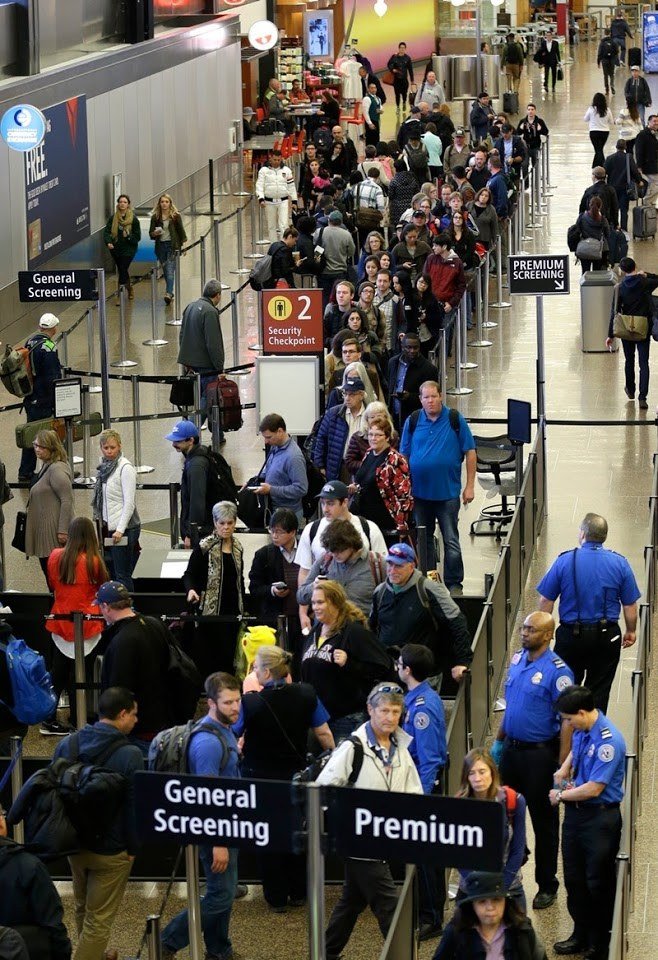
Most airport misery is self-inflicted in quiet ways, from buried documents to shoes that fight back at the scanner. None of it needs drama or luck to fix. It needs a calm evening of preparation and a morning run in a sensible order. The lists below group every task by the moment it matters, so nothing depends on memory while a taxi waits outside. Work through them the night before, again at the front door, and once more at the terminal, and the airport becomes a plain sequence of small steps instead of a test of nerve.
Departure Timing Checklist for Calm Arrivals
Set the leaving time first and protect it. For a flight within the country, aim to walk into the terminal a couple of hours before departure. For an international service, allow nearer three. Add margin on Monday mornings, Friday evenings, school holidays, and any day when weather threatens the roads. Work backwards from that arrival moment: bags packed, house locked, travel to the airport, and a buffer for the one delay nobody predicted. Write the leaving time on a note by the door, because a written time gets obeyed while a vague intention quietly slides.
Complete online check in the day before whenever the airline opens it. That single task confirms the booking, locks in a seat choice, and surfaces schedule changes while options still exist at home. Turn on flight alerts in the airline app, since a phone message about a gate move or delay usually arrives before the big boards update. Charge the phone fully overnight, pack the cable where hands can reach it, and screenshot the boarding pass in case the app or signal fails at the gate. A printed spare in the bag costs nothing and rescues a dead battery day.
Build the journey to the airport into the same plan. Know which train, road, or lift gets you there, and hold a fallback in mind in case the first option fails. Leave the house with shoes on, coat in hand, and bags by the door rather than scattered across rooms. Travellers who rehearse the leaving routine once, even loosely, move through it calmly when the real morning arrives with its usual small surprises and missing keys.
Clothing and Pockets Checklist for the Scanner Lane
Dress for the scanner, not for the mirror. Slip on shoes come off and go back on in seconds, while lace up boots slow the whole ritual. Keep metal light: a heavy belt, chunky jewellery, and a pocketful of coins all earn extra trays and extra attention. Empty every pocket into the bag before joining the lane, including tissues, receipts, and loose change. Wear a plain layer with no hood strings or thick hardware, and keep a warm top reachable for cold cabins, since aircraft air runs chilly even on short hops through warm regions.
Pack the bag so the lane stays painless. Liquids sit in their clear pouch near the top, ready to lift out without digging. Larger electronics rest where they can slide out cleanly if staff ask. Solid snacks travel well in a coat pocket or the top of the bag, and the rules around how to bring food through tsa security without trouble are kinder than many travellers fear, so a sandwich made at home beats a rushed terminal purchase. Keep the tray routine simple: bag, pouch, shoes, coat, walk through, gather, and move away from the belt before repacking in a quiet corner.
Children and older relatives need the same clothing logic applied kindly. Shoes they can manage alone, layers they can carry themselves, and pockets kept empty save slow moments at the belt. Agree a meeting point beyond the scanner before anyone enters the lane, so a bag held back for inspection never scatters the group. One adult collecting trays while another watches children keeps the whole party moving and the stress level low for everyone nearby.
Documents and Boarding Pass Checklist Before Leaving Home
Documents deserve their own slow pass the night before. Identification rules for domestic flying now require compliant documents, and discovering a problem at the desk leaves no time to solve it, so confirm weeks ahead that your identification is accepted and in date. Passports for international trips need a generous stretch of validity beyond the return date for many destinations. Keep passport, identification, and boarding pass together in one pouch that always returns to the same pocket after use, and cross-check packed items against the official TSA list of items allowed in cabin bags while the bag is still open at home.
Note the official guidance collected at the Department of Homeland Security REAL ID hub if there is any doubt about which identification counts where you live, since state documents differ and renewal queues can run long. Photograph every important document and store the images somewhere reachable if the originals vanish, while keeping paper copies separate from the real ones. Share the flight details and hotel address with someone dependable back at home, and carry the first night address written down for arrival forms, tired brains, and dead phone moments at foreign desks late at night.
Boarding passes deserve one last habit. Read the gate, boarding time, and group printed on the pass rather than trusting memory, since gates move and boarding often begins well before departure. Keep the pass open on the phone or in the pouch until seated on the aircraft. A traveller holding the right paper in the right order walks through each checkpoint once, without the digging, apologising, and requeueing that turns a simple morning into a scramble.
Food, Water and Money Checklist That Saves at Terminals
Carry an empty bottle through security and fill it at a fountain or refill point on the other side. That one habit replaces the most overpriced drink in the building. Pack solid food from home: sandwiches, fruit, nuts, cereal bars, and anything sturdy that survives a bag without chilling. Eat a real meal before leaving when the schedule allows, because terminal hunger makes every menu look reasonable. Families especially feel the saving, since feeding several people at airport prices can rival the cost of a whole extra activity at the destination.
Treat terminal money with suspicion. Currency counters at airports are famous for poor value, so arrive with a modest amount obtained sensibly beforehand, rely on widely accepted cards, and let a city bank machine handle the rest after landing where fees are fairer. Keep small notes and a card in separate places so one loss never empties every option. Set a simple spending rule before entering the building, decide what counts as a treat, and let duty free shelves entertain your eyes rather than your wallet while the clock runs down.
Think about the return direction too. Snacks and a refillable bottle matter just as much on the way home, when holiday money runs thin and departure lounges abroad hold unfamiliar prices. Keep a small reserve aside for that final day rather than spending every last note at the destination. Arriving home fed, watered, and unhurried is part of a trip done well, and the habit costs almost nothing beyond a few minutes of planning.
Connection Checklist for Tight Airport Transfers
Read the connection before booking, not after landing. A gap under roughly an hour at a large hub leaves almost no slack for a late arrival, a distant gate, or a terminal change, and the risk multiplies where a train or bus links the buildings. Prefer a longer pause between flights on separate bookings, since a missed leg bought separately is your own problem to rebuy. Sit near the front where possible on the first leg, keep shoes and documents ready before descent, and follow the connections signs the moment the doors open rather than drifting with the crowd.
Prepare the transfer bag properly. Everything needed for the gap and the following flight belongs in the cabin bag: medication, chargers, a change of top, snacks, and documents. Checked luggage on a tight link adds a worry you cannot influence from inside the terminal. Study the hub layout on the airline app during the first flight, note the arrival and departure terminals, and ask cabin crew about gates before landing, since they often hear updates early. If the worst happens, head straight to the airline desk with booking details open and a calm voice ready.
Weather and crowds can still ambush a tight plan, so hold one small advantage in reserve: know the next flight on your route. A traveller who can name a later option at the desk helps staff help them. Keep the airline number saved in the phone, keep the booking reference in the pouch, and keep children, grandparents, and travelling companions briefed on the plan so a delay becomes a shared puzzle rather than one person’s panic beside a departure board.
Luggage Checklist Covering Weight, Tags and Valuables
Weigh every bag at home on bathroom scales, lifting it in your arms if the case alone will not register. Airline limits differ, and a repack at the desk costs time, pride, and sometimes a fee that a home shuffle would have avoided. Attach a tag outside with name and phone, and place a second label inside the lid in case the outer one tears away. Photograph the packed case open and closed, which helps describe it if it ever goes astray and proves what travelled inside it on a difficult day.
Valuables never ride in checked luggage. Medication, jewellery, electronics, documents, keys, and one change of clothes stay in the cabin bag where your own eyes guard them. Lock zips where practical, keep the cabin bag in sight or between your feet, and avoid placing it in a distant overhead locker on busy services. At home, leave a copy of the packing list and return details with someone trusted. Then walk out of the door on time, lists complete, and let the airport be the dull, orderly place it was always meant to be.
None of these habits asks for special equipment, paid help, or years of flying experience. They ask only for an evening of order and a morning of following the order already made. Repeat the same lists across a few trips and they stop feeling like lists at all, becoming plain routine. That is the real prize on offer: an airport day so uneventful that the holiday seems to begin at home, long before any aircraft leaves the ground.