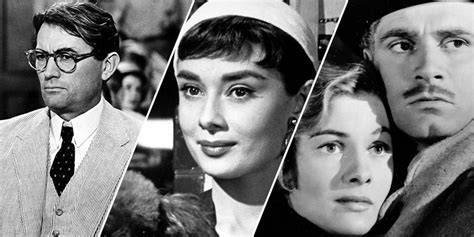
Older films can feel distant on a first attempt, with slower cutting, unfamiliar manners and references that assume a vanished world, yet that distance shrinks quickly once the earliest choices are welcoming titles rather than the most revered monuments of cinema history.
Why Do Older Films Feel Unfamiliar at First?
The distance a beginner feels rarely comes from the age of a film alone. It comes from a bundle of small differences arriving all at once. Scenes run longer before anything dramatic happens, dialogue carries more of the story than modern viewers expect, and actors speak, dress and behave according to manners from another era. References that an original audience understood instantly now pass without explanation. None of these differences signals a weaker film. Together, though, they ask a new viewer to adjust on several fronts at once, and that adjustment is what gets mistaken for boredom.
The setting in which a film is watched shapes how much of that adjustment a viewer can manage. A phone playing in a bright, noisy room works against any older film, whose quieter scenes need a settled space and undivided attention. Preparing the room where films will be watched is therefore part of learning to watch them, much like preparing any room before settling into it properly, and the same care that goes into decisions such as painting over wallpaper versus removing it applies here in spirit. Dim the lights, silence the interruptions, make the seating comfortable, and the film stops competing with its surroundings and starts holding the room on its own terms.
It also helps to know that the unfamiliar feeling fades fast. The second or third classic a viewer tries usually feels far less distant than the first, because the ear tunes to the dialogue style and the eye tunes to the pacing. The barrier is mostly unfamiliarity rather than difficulty, and unfamiliarity is cured by exposure, provided the first exposures are kindly chosen. Starting with the most demanding masterpieces is a reliable way to confirm every prejudice a beginner arrived with. Starting with welcoming films, chosen for warmth and clarity, usually has the opposite effect.
Which Qualities Make a Classic Welcoming?
A welcoming classic tends to share a handful of qualities, and learning to spot them makes choosing far easier. The story moves with a clear purpose, the main characters want something easy to grasp, and the film wastes little time getting that pursuit under way. Humour helps enormously, because laughter crosses decades more easily than solemn importance does. So does a strong leading performance, since a magnetic lead gives a new viewer someone to follow through any amount of period detail. Above all, a welcoming film tells its story cleanly enough that attention can relax instead of straining to keep up.
Those qualities are not accidents. Classical Hollywood cinema, as the Wikipedia survey of that era describes it, developed a clear storytelling style built around goal driven characters and cause and effect plotting during the studio decades, and readers who want that background set out properly can explore the Wikipedia survey of classical Hollywood cinema for themselves. That house style is precisely why well chosen titles from the period often feel more approachable than their age suggests. The films were engineered, by skilled professionals working to a shared craft, to be understood and enjoyed by the broadest possible audience.
Length and tone deserve a place on the checklist too. A brisk film that resolves its story without sprawling subplots asks less of a beginner than a vast epic, however grand the epic may be. Warmth matters as well. A film with affection for its characters invites a new viewer to share that affection, while colder, more ironic works tend to reward audiences who already speak the language of older cinema fluently. Comedies, thrillers and romances from the studio era usually welcome newcomers warmly, while slow art films and heavy tragedies are better saved for later.
Where Should a Curious Beginner Begin?
One frequently recommended starting point discussed in the Wikipedia article on Casablanca is that wartime drama and its blend of romance, politics and memorable dialogue, and the Wikipedia article on Casablanca shows how a strong story can carry viewers past unfamiliar period detail. Casablanca earns its place on beginner lists because almost everything about it works on a first viewing. The main dilemma is easy to grasp, the dialogue is sharp and quotable, the romance and the politics pull in the same direction, and the film moves with a confidence that never leaves a new viewer stranded. It feels like a classic and behaves like entertainment, which is exactly the combination a beginner needs.
Comedy offers an equally kind doorway. Some Like It Hot pairs farce, disguise and quick fire dialogue with performances that still feel lively today, while The Philadelphia Story wraps its romantic tangle in wit sharp enough to hold any modern viewer. Singin’ in the Rain adds music, colour and sheer energy, and it doubles as a playful story about cinema itself changing, which gives beginners a gentle lesson in film history while they are simply being entertained. Any of these makes a fine first evening, because each one proves within minutes that an old film can be funny on purpose.
For viewers who prefer suspense, Rear Window is a generous place to start, since its single setting, clear stakes and steadily tightening tension need no historical knowledge at all. The Wizard of Oz suits a family sitting and reminds adults how much invention early cinema could hold. The sensible approach is to pick one title that matches a taste the viewer already has, rather than the title with the grandest reputation. A crime fan should begin with crime, a comedy fan with comedy. One enjoyed film does more for a beginner than a dutiful list of landmarks endured out of respect.
How Much Background Reading Actually Helps?
A little background helps a great deal, and a lot of background can quietly get in the way. Knowing, in broad outline, what the world looked like when a film was made can unlock scenes that otherwise drift past. A wartime audience watched stories about loyalty, sacrifice and parting with feelings no modern viewer can fully share, and a few plain facts about that setting restore some of the weight those scenes originally carried. Knowing that certain subjects could not be shown directly in studio era films also explains why so much is conveyed through glances and lines with a double meaning.
Beyond that broad outline, restraint is wise. Reading detailed analysis before a first viewing tends to turn watching into homework, with the beginner listening out for points the analysis made instead of following the story in front of them. Plot summaries are best avoided before watching, since older films often build their pleasures around turns that a summary gives away in a single sentence. If reading appeals, save it for afterwards. A short piece read once the film is over lands far better, because the reader now has faces, voices and scenes to attach the ideas to.
The most useful preparation is often about the people rather than the themes. Knowing a star by name and face, and having seen that star in one other role, makes a new film feel less like a room full of strangers. A sentence or two about a director can do similar work. That light familiarity is the sweet spot. It steadies a beginner without loading the viewing with homework, and it leaves the film itself free to do the heavy lifting, which well chosen classics are entirely capable of doing unaided.
What Viewing Habits Make the Biggest Difference?
The single biggest difference comes from giving a film the whole evening rather than a distracted slice of it. Older films build their effects patiently, through scenes that establish character and place before the plot tightens, and that patience is punished by half attention. Watch in one sitting where possible, keep the phone in another room, and resist pausing for long stretches, since long pauses break the spell that a steadily unfolding story casts. Subtitles, where the print offers them, are a quiet blessing for beginners too, because period dialogue delivered quickly in unfamiliar voices becomes far easier to follow when the words are also on screen.
Sound and picture deserve a moment of care as well. Many classics were made to be seen large and heard clearly, and even modest attention to the screen, the volume and the darkness of the room repays itself within minutes. Watching with one patient companion often works better than watching in a restless group, because an engaged companion helps hold the mood, while a group that drifts into conversation gives everyone permission to stop trying. If a film is genuinely not landing after a fair stretch, stopping is allowed. Taste is not a test.
Rhythm across weeks matters more than any single evening. A steady habit of one classic a week builds familiarity far faster than a rare, dutiful binge, because each new film refreshes what the last one taught about pacing, style and manners. Keeping a tiny note of what was watched and what landed well turns choosing the next film into a simple matter of following your own taste as it widens. Within a couple of months, most beginners find the early distance has quietly vanished.
When Does Harder Material Start to Appeal?
Harder material starts to appeal once the basic language of older cinema no longer needs translating. When dialogue styles, pacing and period manners have become background rather than obstacles, attention is freed for the things demanding films actually offer, such as ambiguity, slow building dread, unhappy endings and characters whose motives are never fully explained. At that point a viewer begins choosing challenge on purpose, not out of duty but because the appetite has genuinely grown. Films once dismissed as slow start to feel deliberate, and silence starts to carry meaning.
The signs usually arrive in a natural order. First, favourites from the welcoming end of the shelf get rewatched with deeper pleasure. Then curiosity turns toward the famous names that once seemed forbidding, the long epics, the stark black and white dramas, the foreign language landmarks whose reputations used to intimidate. A viewer who reaches for those titles voluntarily, with interest rather than obligation, is ready for them. Pushing them earlier rarely works, because a film met before its time can be unfairly written off for years.
There is no deadline on any of this, and no finishing line where a viewer graduates and leaves the welcoming films behind. The warm comedies and clean thrillers that open the door remain worth watching for their own sake, long after sterner masterpieces have joined them on the shelf. Begin with titles that invite you in, build the habits that let those films work, and let appetite, rather than reputation, decide when the harder shelves are ready to be explored.