
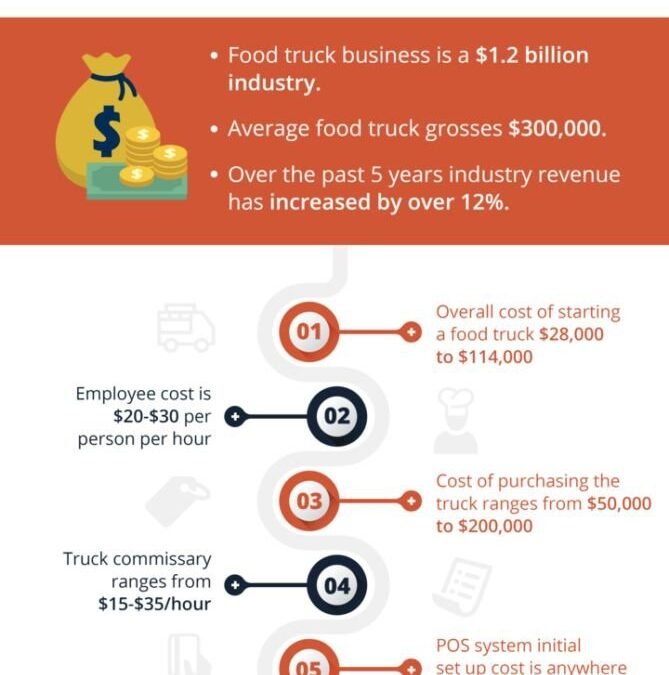
A painted truck, a gleaming counter, and a line of hungry lunchtime customers make mobile food look deceptively simple from the sidewalk. Behind that romance sits a stack of bills arriving long before the first taco sells: the vehicle, the kitchen fit out, permits, inspections, stock, and a cushion for breakdowns. Totals swing wildly between cities and between a tired secondhand truck and a shiny custom build ordered from scratch.
Your Cost Checklist Before Signing Anything
Before any money changes hands, a written checklist keeps enthusiasm from outrunning arithmetic. The main areas repeat for almost every mobile food business, even though the amounts attached to them vary widely by state, city, and vehicle condition. Founders should list the truck itself, the kitchen build inside it, permits and inspections, opening stock, staffing, insurance, pitch or parking costs, and a reserve for repairs, then research each line locally before committing to any one of them.
A checklist grounded in food truck mistakes that sink new trucks helps a founder budget for trouble early by avoiding early food truck failures, because the costliest errors in mobile food usually happen before opening day. Underestimating the build, skipping a permit, or spending the reserve on paintwork all look small in the moment and expensive later. Reading those failure patterns first turns a hopeful shopping list into a realistic budget.
Ranges matter more than single figures at this stage. Published estimates vary enormously, from modest five figure sums for a basic used setup to well beyond six figures for a new custom vehicle, and neither end of that range tells a founder what their own city, menu, and truck will cost. A range invites research. A single tempting total invites false confidence, and false confidence signs leases and loans that honest research might have delayed.
Each checklist line also carries a timing question. Some costs arrive once, such as the truck purchase and much of the kitchen build. Others return every month, every quarter, or every year, such as insurance, permits that renew, commissary fees where they apply, and pitch charges. Separating one time spending from recurring spending shows a founder both the opening bill and the monthly weight the business must carry once trading begins.
Talking to operators who already trade locally sharpens every estimate on the list. They know which inspections take weeks, which suppliers deliver reliably, and which pitches fill up fast or sit empty in poor weather. Their experience grounds the checklist in the real streets where the truck will trade, rather than in national averages.
Paying for the Truck and Kitchen Build
The vehicle usually swallows the largest share of the opening budget, and its condition shapes everything that follows. Background material in the general reference on food trucks describes a mobile kitchen serving from a vehicle, a format whose startup bill depends heavily on whether the truck arrives ready or needs a full kitchen build. A truck already fitted for a similar menu can save months of work, while a bare vehicle may cost less to buy and far more to convert.
Secondhand trucks carry a particular kind of risk that a careful inspection reduces. Engines, tyres, refrigeration, generators, and gas or electrical systems all age, and a failure in any of them can close the business for days. Paying for an independent mechanical check before purchase feels slow when a seller is waiting, yet it is far cheaper than discovering a cracked engine block after the kitchen has been fitted around it.
The kitchen build itself follows the menu, and the menu should therefore be settled early. Grills, fryers, ovens, refrigeration, hot and cold water systems, extraction, fire suppression, and storage all take space, power, and money. A short menu cooked well usually needs less equipment, weighs less, and runs faster at busy times than a long menu that tries to please everyone. Equipment bought for dishes that rarely sell becomes dead weight in every sense.
Layout inside the truck deserves the same care as the equipment list. A cramped or badly ordered workspace slows service, raises accident risk, and exhausts staff during a lunch rush. Planning the flow from storage to preparation to cooking to serving, on paper first, prevents expensive refits later. Inspectors also care about surfaces, handwashing, and safe storage, so a layout that pleases the crew should also satisfy the rules covered in the next stage.
Financing the purchase adds its own cost layer. Loans and finance agreements spread the bill, yet they add interest and fixed monthly payments that continue through quiet trading spells. Founders should test the budget against a slow month, not a festival weekend, before signing. A truck that only works financially at peak crowds is a fragile business wearing a cheerful paint scheme.
Permits, Licenses and Inspections That Gate Opening
No permit, no trading is the blunt rule of mobile food, and the paperwork varies enough by place to deserve early research. Health permits, business licensing, vehicle rules, and parking permissions can all apply at once, sometimes from different authorities with different timelines. Founders who start these applications early protect their opening date. Founders who start late watch a finished truck sit idle while forms move slowly between offices.
Food safety standards sit at the heart of the inspection process. Material published as the federal Food Code guidance for food safety provides model safety standards that states and cities adapt, so permit and inspection demands differ noticeably by location. Temperature control, water supply, waste handling, surface materials, and staff hygiene all feature in that model, and a local inspector will judge the truck against the version adopted where it trades.
Some cities also require access to a shared commissary kitchen, where trucks store stock, prepare food, refill water, and dispose of waste properly. Commissary arrangements add recurring fees that belong in the monthly budget, not as an afterthought. Licensing guidance for new businesses makes the same broader point: health permits, vehicle rules, parking permissions, and commissary requirements can stack together, and each one may carry its own fee and renewal cycle.
Where a truck may park and trade can matter as much as whether it may trade at all. Event fees, market pitch charges, private site agreements, and restrictions near existing restaurants all shape earnings as well as costs. A cheap pitch with no footfall is expensive in disguise, while a pricier pitch beside offices or a station may repay its fee by midday. Researching pitches belongs in the budget work, not after it.
Inspections should be treated as a stage to prepare for, not a hurdle to fear. Clean water systems, working refrigeration, correct storage, labelled stock, and tidy records make inspections smoother and trading safer. Failing an inspection delays opening and can require paid alterations, so building to the local standard from the start is nearly always cheaper than rebuilding under pressure after a failed visit.
Stock, Staffing and the First Weeks of Trading
Opening stock looks modest beside the truck, yet it repeats forever and decides whether early customers return. Ingredients, drinks, packaging, napkins, cleaning supplies, and fuel all need buying before the first sale, and perishable stock bought too generously turns into waste during quiet opening days. Starting with a tight menu and careful quantities protects cash while the founder learns the real rhythm of demand at each pitch.
Supplier choices shape both cost and reliability. A slightly cheaper supplier who delivers late, substitutes key ingredients, or demands large minimum orders can cost more in lost trading than a steadier supplier charges. Founders do well to line up a backup source for the most important ingredients before opening, because a sold out signature dish disappoints exactly the customers a new truck most needs to impress.
Staffing enters the budget sooner than many solo founders expect. Busy service often needs one person cooking and another taking orders and payments, and even part time help brings wages, training time, and insurance considerations. Family help can bridge the earliest weeks, yet relying on unpaid goodwill forever builds resentment and fragility. Honest staffing costs, written into the plan from the start, show whether the menu prices can actually support the crew the service needs.
Pricing ties this whole section together. Each dish must carry its ingredients, packaging, a share of staff time, fuel, pitch fees, and overheads, and still leave something behind. Pricing by copying a nearby truck ignores differences in costs and portions. Working out the cost per dish, in words and careful notes rather than hopeful guesses, gives the founder prices that can survive a rent rise or a supplier increase.
The early weeks also bring marketing costs that are easy to overlook. A clear menu board, readable signage, social media time, samples at local events, and card payment services all help strangers become first customers. None needs a large budget, yet pretending they cost nothing distorts the opening plan.
Keeping a Reserve for Repairs and Slow Days
A reserve is not leftover money. It is a planned part of the budget that keeps one bad week from becoming the end of the business. Refrigeration failures, tyre damage, generator faults, and shutter problems all arrive without appointments, usually during the busiest spell. A founder holding a reserve calls a repairer calmly. A founder without one borrows under pressure, closes for days, or raids money set aside for tax and suppliers.
Slow days need the same respect as breakdowns. Rain empties pitches, roadworks divert footfall, events get cancelled, and seasonal crowds thin out. Recurring costs continue through all of it: insurance, commissary fees, finance payments, and any staffing commitments. A reserve sized against those quiet stretches, rather than against average weeks, tells a founder honestly how long the business can trade through a rough patch while fixing the cause.
Building the reserve before opening is easier than building it from early takings, because early takings carry their own surprises. Holding back part of the startup fund, even when a shinier truck or extra equipment tempts, is a deliberate trade of appearance for survival. Customers forgive a modest paint job far sooner than they forgive a truck that keeps vanishing from its pitch.
The reserve should sit separately from everyday trading money, clearly labelled in the founder mind even if it rests in the same account. Dipping into it for ordinary stock or a quiet week of wages defeats its purpose. Genuine repairs and genuine emergencies are its job, and every use of it should trigger a plan to rebuild it from steadier weeks ahead.
Mobile food can be a joyful, flexible way to trade, and many owners build loyal followings one pitch at a time. The romance survives best on top of unromantic arithmetic: a checklist written early, a truck inspected properly, permits researched locally, stock and staffing costed honestly, and a reserve guarded fiercely. Founders who respect those bills before the first sale give their cooking a fair chance to be the thing customers judge them on.


