
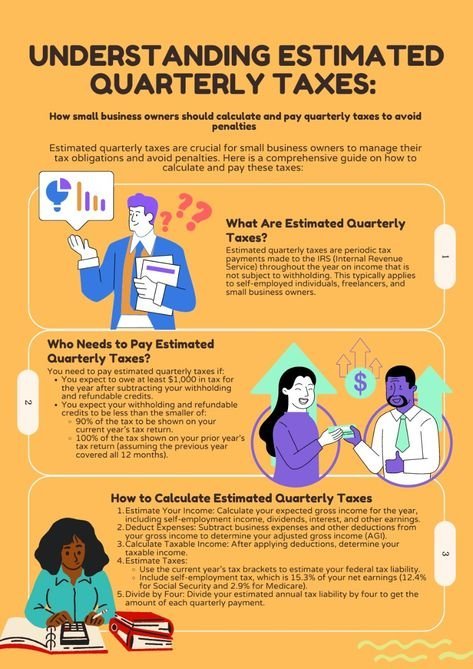
Nobody withholds tax from a self-employed paycheck, because there is no paycheck in the usual sense at all. Money lands in uneven lumps, busy seasons swell it, quiet months shrink it, and the tax bill quietly grows alongside every payment received. Estimated payments exist to keep that bill from arriving as one painful surprise. Handled steadily through the year, they become a routine habit rather than a yearly panic each spring.
What You Need Gathered Before Working Anything Out
Start by pulling together a clear picture of what has actually come in, not what you hope will come in later. Gather invoices you have sent, payment records from clients, bank deposits tied to your work, and receipts for the ordinary costs of running the work itself. A notebook, a folder of statements, and a simple running total will do for many people, as long as everything sits in one place and nothing important hides in scattered messages or memory alone. Accuracy at this stage saves confusion for months.
Next, separate the business picture from the household picture as far as you can manage. List income from self employment apart from any wages a partner or a part time job might bring in, and note other income that could change the total, such as interest, rents, or occasional contract work outside your main trade. Write down business expenses in plain categories, such as materials, software, travel for work, phone use for clients, and fees you pay to others who help you. Those records form the base for every estimate that follows.
Also gather what you paid in tax for the previous year, if you filed one in this line of work, and any notices or letters you kept about payments already made this year. If this is your first year working for yourself, say so plainly in your notes and lean on careful records of the months already completed instead. Keep last year return copy, the estimated tax form instructions you intend to follow, and a calendar where payment dates can be marked clearly. Having those papers ready turns a vague worry into a set of numbers you can actually work through, step by step, without guessing.
Working Out What You Likely Owe Across the Year
The first practical step is estimating your likely profit for the full year, which means taking expected income and subtracting the ordinary costs of earning it. Use the months already finished as your anchor, then adjust honestly for work already booked, seasonal patterns you know well, and quiet spells that tend to arrive. Avoid building the estimate on your best month repeated endlessly, and avoid building it on your worst month either. A middle path, grounded in real records, gives you a figure you can defend to yourself when payments feel tight.
Estimating a yearly total is easier for anyone used to converting hourly earnings into annual income and working out yearly pay from an hourly rate, because the habit of stretching a smaller rate across a full year is much the same here. You take what you charge, consider how many paid hours or paid jobs a realistic year holds after holidays, illness, admin time, and gaps between clients, and you arrive at a sober annual figure rather than a hopeful one. That discipline matters even more when income arrives in projects rather than hours, since project fees can look large until the unpaid days around them are counted too.
Once a profit estimate exists, remember that two kinds of tax usually sit on top of it for a self employed person. Income tax applies to profit in the usual graduated way, shaped by filing status, deductions, and credits that vary from household to household. Self employment tax also applies, covering the contributions toward retirement and health programs for older Americans that an employer and employee would normally split between them. You carry both shares yourself, which is why the combined burden often surprises people in their first year. Keep both parts in mind when you set money aside each month, rather than saving only for the income tax portion and hoping the rest will somehow be smaller.
Work the estimate again whenever the picture changes in a lasting way. A new regular client, a lost contract, a price change, or a major purchase for the business can all move the expected profit enough to matter. Treat the estimate as a living figure, written in pencil, not carved anywhere permanent. The point is not perfect prediction, which nobody achieves with uneven income, but a reasonable, honest approximation that keeps payments close to the eventual bill and keeps surprises small.
Splitting the Year Into Four Payment Windows
Instead of facing one large bill at filing time, you divide the expected tax into four payments spread across the year. Each payment covers income earned during a set period, so money earned early in the year is matched by an earlier payment, and money earned later waits for its own window. That rhythm follows the simple logic that tax should be paid as income arrives, rather than long after the income has been spent on rent, tools, or ordinary living costs. Once the rhythm clicks, the system feels far less mysterious.
Public material from the tax authority makes that pay as you earn logic plain, and the official guidance on estimated taxes explains that payments generally fall due in April, June, September, and January, covering income as it arrives in each period. Notice that the gaps between those months are not perfectly even, which catches many newcomers off guard. The second window arrives sooner than the others, so cash set aside during spring needs to cover a payment that comes around faster than expected. Marking all four months on a calendar at the start of the year prevents that early surprise.
Many people simplify the habit by moving a set share of every payment they receive into a separate savings spot the same day it lands. The share varies by household, by profit margin, and by other income in the home, so no single share suits everyone. What matters is consistency. A modest amount moved every time beats a heroic scramble four times a year, and it protects the money from being quietly absorbed into daily spending. When a payment window opens, the funds are already waiting, labelled in your mind as tax money and nothing else.
If income in one period runs unusually high or low, the payment for that period can reflect that reality rather than the original yearly guess. Some filers prefer equal payments for simplicity, while others prefer payments that track each period more closely, especially when seasonal work creates sharp peaks. Either approach can work when records are honest and payments stay current. The habit to avoid is skipping a window entirely because the month felt quiet, then discovering later that earlier income in the year still carried a payment duty with it.
Sending Each Payment and Keeping Proof
When a due month arrives, send the payment through one of the official channels offered for estimated taxes, following the instructions that come with the estimated tax form or the online payment system you choose. Double check the identifying details you enter, the tax year the payment should apply to, and the amount itself before you confirm anything. A payment sent to the wrong year or recorded under a mistyped detail creates tedious correction work later. Slow down for the final screen or the final envelope check, even when the task feels routine.
Keep proof of every payment in the same folder as your income records. Save the confirmation page, note the date and amount in your ledger, and keep bank statements that show the money leaving your account. If you pay by paper, keep a copy of what you sent along with any postal receipt. These small acts take minutes, yet they become priceless if a notice later claims a payment never arrived or arrived under a different amount. With proof in hand, a confusing letter becomes a simple matter of showing dates and records.
Adjusting When Income Rises or Falls Midyear
Income rarely follows the tidy path imagined in January. A surprise contract can lift earnings sharply by summer, while a cancelled project can leave autumn thin and worrying. Adjusting your remaining payments when the year changes shape is not failure or fussiness; it is the system working exactly as intended. Recalculate expected profit using the months already banked plus a sober view of what remains, then spread the revised tax across the windows still to come. A rise in income usually means larger remaining payments, and a fall usually means smaller ones, provided records support the change.
Beneath those adjustments sits the self employment portion of the bill, which many people underestimate when profits climb. Background material the tax authority publishes on that combined charge, set out in guidance covering the self-employment tax rate and its parts, places the combined rate at fifteen point three percent, covering the Social Security and Medicare shares together. That rate applies to net self employment earnings, so a strong rise in profit raises this part of the bill in a fairly direct way. Knowing the rate in advance helps you set aside enough during good months, instead of celebrating gross income that was never fully yours to spend.
Paying too little across the year can lead to an underpayment penalty, which is essentially interest like cost added when payments fall short of what should have been sent for each period. The charge is generally figured period by period, so a late catch up payment may stop the clock going forward without erasing the shortfall from earlier windows. Safe harbor rules based on earlier liability can protect some filers whose income swings sharply between one year and the next, because those rules recognise that nobody can perfectly predict a leap in earnings. The details depend on prior year tax and current year income, so treat safe harbor as a shield worth understanding early, not as an excuse to pay casually.
Keep the adjustment habit gentle and regular. Review income after each payment window, note any lasting change in your ledger, and revise the next payment while the facts are fresh. Avoid reacting to a single unusually good week with a permanent change, and avoid ignoring a clear trend because the paperwork feels tedious. Steady attention, honest records, and payments that track real earnings will carry most self employed people through the year without drama. By the time filing season arrives, the final return becomes mostly a reconciliation of figures you already know well, and that calm is worth every small effort made along the way.


