
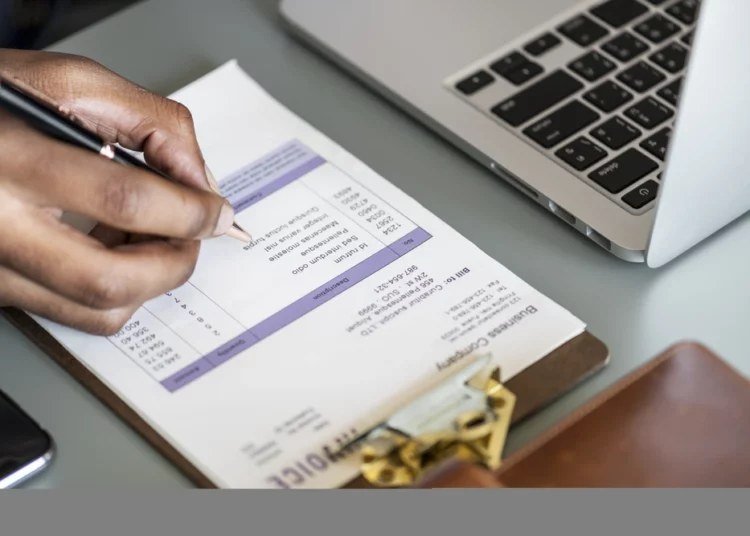
Payment rarely stalls because a client dislikes your work; it stalls because the bill was vague, late, hard to pay, or easy to postpone. A well built invoice removes each of those frictions before they form. Clear descriptions, firm but courteous terms, and obvious payment routes turn an administrative chore into a quiet prompt that busy people act on. Small improvements here protect cash flow more reliably than awkward chasing later.
Think of the document as the final step of the job itself. It lands in a crowded inbox, competes with payroll, suppliers, and urgent client demands, and often passes through hands that never saw the work being done. Anything unclear gets set aside for a calmer day that rarely arrives. Anything complete, calm, and easy to approve tends to move straight into the payment run.
Anatomy of a Document a Busy Payer Can Approve Instantly
Begin with identification that leaves no detective work behind. Your trading name, address, and contact details sit at the top, followed by the client name and the correct billing contact, which is sometimes a finance assistant rather than the person who commissioned you. Add a unique reference number and the date of issue, so any later conversation can point at one exact document instead of a fog of similar bills.
State the amount owed where the eye lands naturally, near the summary of charges, and give the due date as a real calendar date rather than a vague phrase. Wikipedia describes an invoice as a commercial document issued by a seller to a buyer, identifying both parties and listing what was supplied, in what quantity, and at what agreed price. That plain definition is a useful test. If a stranger could not tell who owes whom, for what, and by when, the document is unfinished.
Close with a short, human line of thanks and one named contact for queries. That small courtesy matters more than decoration. A payer with a genuine query needs a door to knock on, and a named person answers faster than a general inbox. Keep logos modest, spacing generous, and type large enough to read comfortably on a phone screen, since many approvals now happen away from a desk.
Line Items That Describe Value Instead of Just Hours
Each line should name the deliverable, the date or period it covers, and the outcome the client received. A line that speaks only of hours tells a payer how long you were busy, not what changed for their business. Writing about the finished piece, the repaired system, the delivered designs, or the completed visits connects the charge to value the client can picture and defend to anyone who questions the bill.
Vague descriptions are where later non payment disputes begin, because a payer who cannot see exactly what was delivered finds delay easy to justify. Splitting a project into honest stages solves much of this. Consultation, drafting, revision, and delivery read as separate, checkable pieces of work, and anyone reviewing the bill can trace each charge to a moment they remember. Reading advice for when a client will not pay an invoice helps when a disagreement has already hardened and you need a calmer path toward resolution.
Keep quantities and rates consistent with the original agreement, and flag any extra work as its own line with a note of when it was approved. Surprises breed postponement even when the extra work was excellent. Where a deposit was paid at the start, show it clearly as a deduction, so the remaining balance feels smaller and the arithmetic feels trusted. Clean arithmetic is a form of reassurance.
Terms, Due Dates and Gentle Pressure Built Into Wording
Terms should be agreed before work begins, not invented at billing time. The SBA advises small firms to state payment terms plainly on every invoice and to settle those terms with the customer in advance, so both sides share the same expectation about timing. Put the agreed period beside the total, repeat it beside the due date, and keep the wording steady across every document you send.
Gentle pressure works through clarity rather than threat. A polite note that a small charge applies to balances remaining unpaid after the due date is fair when it was agreed in advance and stated without drama. An early settlement saving can pull payment forward for clients who enjoy a tidy bargain, provided the margin allows it. The Wikipedia overview of the invoice shows how the document itself has long carried these expectations between trading partners.
Choose due dates with the client rhythm in mind. Many firms pay suppliers on fixed days each month, and a bill arriving just after a payment run can wait weeks through no ill will. Asking a new client when their payment run falls, then timing your issue date to land shortly before it, removes an invisible delay. Courtesy and timing together do the work that stern letters rarely achieve.
Deposits deserve a place in this conversation, because they change the psychology of everything that follows. A client who has already paid a portion at the outset has committed to the project in a practical way, and the final balance feels like completing an agreement rather than starting one. State the deposit plainly in the original agreement, show it plainly again on the closing document, and the remaining figure stays modest, clear, and far harder to postpone without embarrassment.
Payment Routes That Remove Every Excuse for Delay
Every extra step between reading the bill and settling it costs days. Offer a direct electronic route from the document itself, with bank transfer details printed accurately for clients who prefer their own banking, and a card option for smaller balances where the fee is acceptable. Agency guidance encourages convenient electronic payment options, noting that easier payment tends to shorten the wait between billing and money arriving in the account.
Check every detail as if you were the payer. A single wrong digit in account information, a stale link, or instructions hidden in an attachment can strand a willing client. The Wikipedia overview of payment covers the wider idea of value moving from payer to payee, and your document should make that movement feel almost effortless. Name the reference the payer should quote, so incoming money matches the right bill without a reconciliation puzzle later.
For larger projects, stage the billing. A deposit before work starts, a middle payment at an agreed milestone, and a final balance on delivery keeps each amount modest and each approval easy. Clients who would hesitate over one large sum often settle three smaller ones without friction. Staging also protects your own commitments, since you are never carrying the full cost of a long project alone.
Polite Chasing Sequences for Invoices That Still Stall
Some bills stall despite careful design, and a planned sequence keeps the follow up calm. Start with a friendly reminder shortly before the due date, framed as a helpful note in case the document went astray. On the due date itself, a brief confirmation request is enough. A few days after, resend the document with the balance and due date in the opening lines, so the reader need not hunt through an old thread.
As the delay lengthens, shift from messages to a short phone call. Conversations uncover the real obstacle, which is often a missing purchase order number, a departed contact, or an approval sitting with a manager. Solve that obstacle on the call where possible, confirm the new promise in writing the same day, and note the agreed date where your future self will see it. Vague goodwill evaporates; a dated promise can be followed.
Keep every message courteous and factual, even when patience thins. Angry wording gives a reluctant payer a grievance to hide behind, while steady professionalism keeps attention on the amount and the date. If a client proposes paying in parts, accept a written schedule with clear dates rather than holding out for a single payment that may never come. Partial movement, recorded properly, beats proud silence on both sides.
Know, in advance, where your own line sits if reminders and calls produce nothing. For some firms that means pausing further work until the balance clears, which is a calm and defensible step when the agreement warned of it. For others it means a formal letter, a mediation route, or professional collection help. Deciding the ladder while you are calm prevents both extremes later: endless hopeful waiting on one side, and a furious threat you regret on the other.
Presentation Details That Signal a Serious Operation
Appearance quietly shapes trust. A document with aligned figures, consistent naming, and clean spacing signals a business that keeps careful records, and careful businesses get queried less often. Use the same template every time, so regular clients learn where the total, the due date, and the payment details live. Familiar layout speeds approval in the same way a familiar form speeds any routine office task.
Send the bill promptly, while the value of the work is still fresh in the client mind and the budget line still exists. Attach it in a widely readable format, name the file so it can be found months later, and keep the covering message to a few warm lines that repeat the amount and the date. Prompt sending is itself a presentation detail, because a late bill suggests the sender was in no hurry either.
Keep the supporting records tidy as well. Agreements, delivery notes, approval messages, and earlier bills should sit where you can reach them within moments, because a payer query answered the same day rarely grows into a dispute. A small, ordered archive also protects you if personnel change on the client side and a new contact questions an old charge. Evidence produced calmly and quickly settles most arguments before pride or suspicion can take hold of either party.
Finally, review your own results each quarter. Note which clients settle quickly, which terms shorten the wait, and which wording draws queries. Small adjustments compound across hundreds of bills. An invoice is not glamorous, yet few documents touch your livelihood so directly. Treated as a crafted piece of communication rather than an afterthought, it quietly turns finished work into money in the bank, on time, with relationships intact.


