
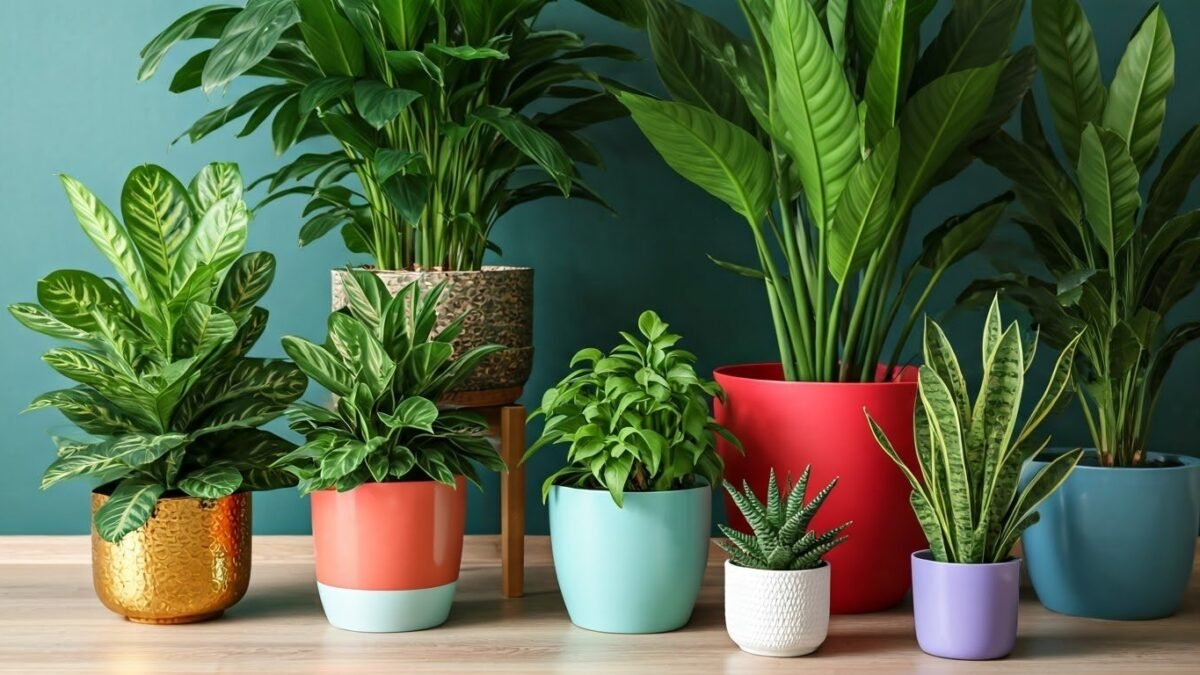
Frequent flyers return to drooping leaves often enough to assume greenery and travel cannot coexist. Yet the hardiest indoor plants evolved where rain arrives irregularly, storing moisture in thick leaves and roots built for dry spells. Trouble usually comes from thirsty species chosen for looks, plus anxious overwatering before departure. Match resilient varieties with simple reservoirs and a calm departure routine, and the indoor jungle survives absences gracefully.
Varieties That Store Water and Tolerate Neglect
Successful travel friendly planting begins at the moment of choosing, long before any trip appears in the diary. Varieties that store water in their own tissues forgive missed watering in a way that thin leaved, moisture loving plants simply cannot. Snake plants, pothos, spider plants, jade plants, and many succulents and cacti endure dry soil for extended stretches, then recover promptly when normal care resumes. Selecting for resilience feels less romantic than selecting for drama, yet resilience is what keeps a collection alive across a travelling life.
Thick leaves, waxy coatings, and fleshy stems all signal stored moisture and slow loss. Plants displaying those features evolved under irregular rainfall, strong sun, or poor soils, and they carry that toughness indoors. By contrast, ferns, fittonias, and other lovers of constant humidity demand attention on a schedule that travel repeatedly interrupts. Such plants can still suit a home with a willing neighbour, but they make poor companions for anyone whose work or family regularly calls them away without warning.
Honesty about light matters as much as honesty about water. A resilient plant placed in a dark corner will decline slowly whether you travel or not, because it cannot feed itself. Place the hardiest varieties where bright, indirect light reaches them for much of the day, and accept that the darkest rooms may suit ornaments better than living things. When variety, pot, and position all work together, absence becomes a manageable interval rather than a recurring emergency for the whole collection.
A Calm Departure Routine for Soil, Light, and Leaves
The days before departure set the outcome more than any gadget bought in a hurry. Water thoroughly a day or so before leaving, allowing excess to drain away completely, so roots sit in moist rather than sodden soil. Water standing in saucers invites rot and fungus gnats, and a plant entering an absence with damaged roots has little reserve left for the dry stretch ahead. A calm, unhurried watering also lets you notice which pots dry fastest and which need repositioning.
Move plants a little away from harsh, direct sun while you are gone. A south facing sill that a plant enjoys under daily supervision can scorch leaves and bake soil when nobody draws a curtain or rotates the pot for a fortnight. Bright indirect light a short distance back from the glass keeps photosynthesis ticking over while slowing moisture loss considerably. Clustering pots together in that gentler light raises the humidity around the foliage, which further slows drying and softens the shock of an empty, still room.
Prune and tidy before you lock the door. Remove dead leaves, spent flowers, and any growth showing signs of pests, because stressed plants left alone can turn a minor infestation into a colony. Wipe dusty leaves so the remaining foliage can use the available light efficiently. Check stakes and ties, water meters if you use them, and the stability of anything perched on shelves. Ten unhurried minutes of inspection prevents most of the small failures that returning travellers mistakenly blame on the absence itself.
Resist the anxious urge to compensate with extra fertiliser, extra water, or a last minute repotting. Departure week is the worst moment for experiments, because a plant needs settled roots and familiar conditions to draw on its reserves steadily. Feed and repot during ordinary weeks when you will be home to watch the response. Before a trip, stability is the gift you give your plants, along with moderate temperatures, closed curtains against extremes of heat, and a room left as steady as you can make it.
Reservoirs, Wicks, and Self Watering Arrangements
For absences stretching beyond what soil alone can cover, simple reservoirs bridge the gap elegantly. A filled bottle upended into the soil releases water gradually as the soil dries, while commercial watering globes and terracotta spikes perform the same task with tidier manners. Whatever the device, test it during a week at home first. Only a rehearsal reveals whether a particular bottle empties in two days or lasts the whole stretch, and discovering the answer after departure helps nobody.
Wick systems suit clusters of smaller pots. One end of a cotton or fabric wick rests in a shared reservoir of water, the other end rests in the soil, and moisture travels along the fibres as the soil demands it. Set the reservoir high enough that the wicks draw steadily, keep the arrangement away from radiators, and group thirstier plants on shorter wicks. Like every method here, wicking rewards rehearsal, because fibre thickness, reservoir height, and soil type all change the rate of flow.
Self watering pots with built in reservoirs remove much of the guesswork for favourite specimens. The plant draws moisture upward from a chamber below as needed, which mimics the steady availability roots enjoy in open ground better than feast and famine watering does. Fill the chamber fully before leaving, confirm the indicator or overflow behaves as expected, and group any remaining ordinary pots around the same bright, sheltered spot so a neighbour or a wick system can cover them together.
Briefing a Neighbour With Foolproof Written Notes
For longer trips, a neighbour, friend, or house sitter remains the most flexible watering system ever devised, provided the briefing is clear. Travellers who already plan carefully for personal safety in unfamiliar places, studying advice on how to stay safe as a solo traveler in a safe new city before they go, will recognise the mindset instantly. The same foresight applied at home means nobody improvises with your plants, your heating, or your locks while you are away. Preparation replaces worry on both sides of the front door.
Written notes beat verbal instructions every time, because watering advice given in a hallway is forgotten by the weekend. Keep the notes short, concrete, and attached to the plants themselves. A card beside each group can state how much water to give, how often to give it, and which plants should simply be left alone. That last instruction matters enormously, since the classic housesitting disaster is a kind helper drowning a dormant succulent out of pure generosity. Remind your helper that the Wikipedia entry on houseplants and indoor growing describes plants grown indoors under controlled conditions, which is exactly why sudden changes of routine unsettle them more than a steady, modest rhythm does.
Walk your helper through the collection once before departure, watering together so quantities become visible rather than abstract. Show where spare towels live, which tap to use, and how to reach you with a photograph if a plant looks unwell. Leave permission to do less rather than more. A slightly thirsty plant recovers in an evening when you return, while a waterlogged one may not recover at all. Gratitude, clearly expressed and later backed with a thoughtful gesture, keeps willing helpers willing for the next journey.
Simplify the collection before asking anyone to care for it. Move every plant that needs help into one or two rooms, group them by watering rhythm, and store away delicate specimens that demand daily misting or turning. A helper facing a single, organised cluster feels confident, while a helper facing plants scattered through every room feels burdened and starts skipping corners. Your briefing succeeds when the task looks small, because a task that looks small gets done carefully and completely.
Simple Monitoring for Longer Absences Away
When an absence stretches into many weeks, light monitoring helps you and your helper share the same picture. A moisture meter pushed into the largest pots gives an objective reading that removes guesswork from messages home. Photographs taken from the same spot each week reveal slow changes that memory smooths over, such as gradual leaning toward light or the early yellowing of lower leaves.
Understanding your hardiest plants sharpens what you watch for. The Wikipedia entry on succulent plants and water storing leaves explains that such plants store water in thickened leaves, stems, or roots, suiting them to arid climates. A succulent using its reserves looks slightly less plump yet remains healthy, and it should not be flooded in alarm at the first photograph. Knowing which changes signal genuine trouble and which signal normal thrift prevents panicked instructions that do more harm than the absence itself.
Smart plugs and timers can keep grow lights on a humane schedule during dark winter absences, and a simple indoor thermometer with a remote display warns of heating failures that threaten plants more quickly than thirst does. Technology earns its place when it answers a real risk, not when it multiplies notifications.
Reviving Wilting Plants Gently After the Return
Come home to a wilted plant with patience rather than panic. Drooping is often a water saving posture rather than a death announcement, and many varieties lift within hours of a thorough drink. Water deeply, let the pot drain, and wait before pronouncing judgement. Leaves that were merely conserving moisture will firm up steadily, while genuinely damaged foliage reveals itself over the following days. Immediate, drastic pruning removes leaves that would have recovered and shocks a plant that needs its remaining strength.
For a plant whose soil has dried into a hard, shrunken block, ordinary watering runs straight down the gap between soil and pot without wetting the roots. Stand the pot in a basin of water and let moisture soak upward until the surface darkens and feels damp. This slow rehydration revives the root zone evenly and avoids the puddling and runoff that top watering causes in parched compost. Repeat the calm approach across several days if needed rather than flooding repeatedly in a single anxious evening.
Once hydration settles, tidy with restraint. Trim only leaves that are clearly dead, brown, and crisp, move the plant back to its usual position gradually rather than straight into fierce sun, and hold back fertiliser until fresh growth shows the plant is feeding again. A recovering plant is rebuilding roots as much as leaves, and rich feeding during that rebuilding can burn tender new root tips. Gentle light, steady moisture, and time accomplish what urgency cannot.
Finally, treat every homecoming as information for the next departure. Note which varieties shrugged off the absence, which suffered, and which arrangements delivered water as promised. Adjust the collection slowly toward the forgiving end of the shelf, improve the weakest reservoir, and refine the neighbour notes while the lessons are fresh. Frequent travellers and thriving greenery coexist comfortably once the system learns from each trip. The jungle survives not by luck, but by choices made calmly, repeatedly, and well in advance.


