

Three loved cities can feel generous and unhurried, while five in the same stretch can turn a holiday into a timetable. Depth beats count on almost every route. Every extra base costs a packing session, a transfer, a check in queue, and half a day of settling, while every extra night in one place returns local knowledge, a favourite cafe, and mornings that start without a map. Plan the journey around a small cluster, travel between bases the cheap and calm way, sleep centrally without paying grandly, and the same days and the same budget suddenly stretch much further.
How Many Stops Can Your Days Honestly Hold?
Plain answer: allow at least three nights per base, and treat two as the absolute floor. A single night in a city buys an evening and a departure, not an experience. With three nights there is time for one big sight, one wandering day, and one slow morning, plus a cushion when weather or a strike disrupts the plan. Anyone building a route for the first time can lean on practical help with linking several cities on one trip while shaping the skeleton, then adjust the pace to their own energy rather than to a list of famous names.
Count travel days as spent days, because they mostly are. A move between cities eats the hours around it: packing, leaving, the journey itself, finding the new bed, and learning a fresh street pattern. String several moves together and the trip becomes a memory of stations. Fewer bases also lower spending directly, since every transfer carries fares, platform snacks, and the small purchases that waiting invites. The travellers who return raving about a region are usually the ones who stayed put long enough for the place to stop performing and start feeling ordinary in the best way.
Which Cluster of Cities Keeps Travel Short?
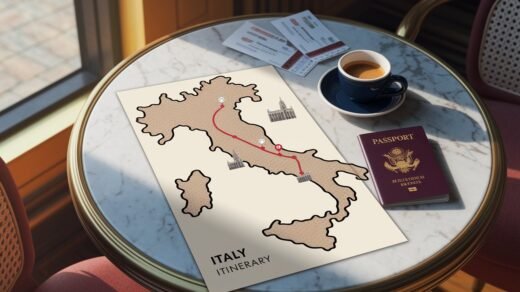
Plain answer: pick places that sit close together on the map and on the same rail lines. A capital trio joined by short hops, or a chain of cities strung along one fast line in a single country, keeps each transfer short, cheap, and simple. The shape to copy is a gentle arc or a straight line, never a zigzag. Backtracking over ground already covered wastes both money and the fresh feeling that moving on should bring to a journey.
Arriving in one city and flying home from another completes the shape. That booking style removes the return leg across the whole route and often prices close to an ordinary round trip, so the saving arrives in hours even when the fare barely moves. Reading up on the Wikipedia page on Eurail passes and coverage passes is worthwhile at this stage too, because pass coverage and the cluster you choose influence each other. A cluster inside one or two countries with strong rail links will nearly always beat a scattered wish list joined by budget flights and airport buses.
Season shapes the cluster choice as well. Northern cities reward the long evenings of early summer, while southern routes stay pleasant late into the autumn when crowds thin and prices soften. Festival weeks and major sporting events can double room prices in one city while leaving its neighbour untouched, so shifting the order of the same cluster by a few days sometimes saves more than any transport trick. A flexible traveller with a map and a calendar holds a genuine budget advantage.
When Do Trains Beat Short Flights Door to Door?
Plain answer: on journeys under roughly four hours, the train usually wins once the whole door to door trip is counted honestly. Trains run from centre to centre, so there is no long ride out to an airport, no generous security buffer, and no baggage belt at the far end. Roll in shortly before departure, keep your bag beside you, watch the countryside do the entertaining, and step off already inside the next city. Short flights only look quick on the timetable; the journey around them quietly doubles their length.
Flights pull ahead on longer hops, where rail time stretches past comfort or the route crosses water. Even then, count the full price: the fare, the baggage charge, and the travel to and from both airports. Advance rail fares bought weeks ahead can cost a fraction of walk up prices, while a rail pass only earns its keep across several journeys in pricier rail countries, since in cheaper rail countries single advance tickets usually win. Price your exact route both ways before deciding, and keep the term from the Wikipedia explanation of an open-jaw ticket in mind when shaping the flights at either end of the route.
Long distance buses complete the picture as the slowest and usually the cheapest option of all. An overnight bus can even save a night of accommodation for travellers who sleep well in a seat, though most people arrive too tired to enjoy the saving. Use buses for short gaps the trains serve badly or for the leg where the budget truly needs relief, and protect the rest of the route from false economies that trade whole days for small sums.
Where Should You Sleep to Protect the Budget?
Plain answer: sleep central, in simple places, and let location do the saving. A modest room in the middle of town beats a grander one far out, because the distant bargain quietly charges you in fares, late night taxis, and hours lost every single day. Hostels with private rooms suit couples and friends well, offering privacy with hostel prices and useful kitchens. Small apartments come into their own on stays of several nights, while plain central hotel chains deliver predictable comfort where that matters more than character.
Kitchens change the daily maths more than any star rating. Breakfast at home, one picnic lunch, and a few self cooked evening meals across a stay free up serious money for the meals actually worth paying for. A market bought supper eaten in a square often outshines a mid priced restaurant anyway. Book the first nights firmly, keep later nights flexible only outside the busiest season, and favour places with laundry access on longer routes, since washing on the road keeps both the bag small and the spending smaller.
Sleeping well also protects the days themselves. A quiet street, blackout curtains, and a bed that suits you matter more across a week of moving than thread counts or lobby chandeliers. Read recent guest comments with an eye for noise and stairs rather than decoration. Travellers who sleep properly spend less on taxis, coffees, and comfort purchases the next day, because tiredness is an expense in disguise that quietly inflates every decision made before noon.
What Does a Sensible Day of Spending Look Like?
Plain answer: one paid highlight a day, surrounded by the free wealth every European city offers. Historic centres, parks, churches, markets, riverbanks, and viewpoints cost nothing and fill most of a happy day. Many major museums open free on set evenings or particular days, so check the pattern for your dates and build the paid wish list around those windows. A regional pass or city card earns its price only when the planned visits genuinely stack up, so add your own list honestly before buying one.
Food spending follows the same rhythm as sleep spending. Let breakfast and one other meal be simple and self made on most days, then spend properly on one chosen meal rather than grazing expensively at every stop. Carry water, refill often, and treat station food as an emergency option. Money also leaks through small frictions: card charges, poor exchange counters, and data costs. A regional data eSIM that works across borders, paired with offline maps downloaded in advance, protects both the budget and the traveller when batteries fade or signal drops in a strange station.
Keep a small daily float in local cash for markets, lockers, and little bakeries that prefer coins, while the card handles the larger bills. Splitting money between bag, pocket, and accommodation protects against a single loss ruining the route. Track spending loosely each evening, in a note on the phone, so small leaks show up while they are still small. A route watched gently in this way rarely produces the end of trip shock that spoils the journey home.
How Light Must a Bag Be for Constant Moving?
Plain answer: light enough to lift into an overhead rack without help and carry up station stairs without stopping. Constant moving punishes heavy luggage daily, at every platform edge, cobbled lane, and fifth floor staircase. One bag that travels on your back or rolls obediently behind you, holding a tight rotation of matching clothes and washed as you go, keeps transfers brisk. Every item must earn its place against the question of whether you would happily carry it across a city at rush hour.
Entry rules deserve a final check before anything non refundable gets booked, especially for travellers arriving from outside the continent, since authorisation requirements for the Schengen area change over time. Confirm the current position through official channels, keep documents together, and then relax into the route you built. Fewer bases, short hops, central beds, and one highlight a day: that modest formula, repeated calmly, is what turns a multi city trip from an expensive scramble into the journey people describe with a smile years later.
Is a Rail Pass Always Cheaper Than Single Tickets?
No. A pass wins when the route stacks several long journeys inside countries where walk up fares run high, and when the freedom to board without booking ahead matters to you. Single advance tickets win on shorter routes, in cheaper rail countries, and whenever the dates are fixed early. The only honest method is pricing your exact journeys both ways on a quiet evening at home, then choosing with real numbers in words in front of you rather than with hope.
Should the Cheapest City Come First or Last?
Either can work, and energy matters more than price here. Starting somewhere gentle and affordable gives jet lagged travellers room to recover without overspending during the foggy first days. Ending somewhere calm protects the journey’s final memory, which colours the whole trip in hindsight. What matters most is avoiding the pattern where the hardest transfer and the most expensive base land together at the point where everyone is already tired, because that pairing is where budgets and tempers both tend to break.

One comment