
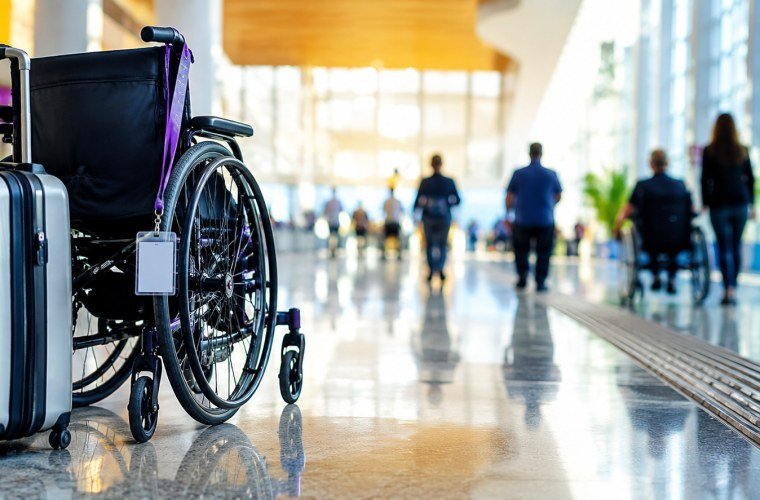
A first accessible trip goes smoothly when needs are named early, claims are checked directly and backup options are ready before departure. Disability wears many faces, and so does good access. A step-free route helps one traveller, a quiet room helps another, and clear signage or a patient pace may matter more than either. Treating access as a personal fit rather than a generic label turns planning from guesswork into a series of answerable questions. The same patient approach that helps someone learn to how to travel with anxiety on a first big trip applies here as well: name the worry, break it into parts, and solve each part while there is still time to adjust. A first trip planned this way rarely runs perfectly, yet it runs kindly, and kindness toward yourself is the real goal.
Opening Phase: Writing a Precise Profile of Your Needs
Begin on paper, away from booking screens. Note the surfaces you handle well and the ones that drain you, the distance you can cover before rest becomes urgent, and the slopes or kerbs that cause trouble. Record shower style, toilet height, bed height, and whether grab rails are a comfort or a necessity. Add sensory needs without apology: tolerance for crowds, noise, bright light, and long queues all shape a good itinerary. Include medication storage, cooling needs, distance to medical care, and any equipment measurements that doors and lifts must respect. Precise notes beat polite vagueness every time, because providers can only meet needs they actually understand.
Turn that profile into a short summary that can be pasted into an email or read over the phone. Keep the full version for yourself and share the summary widely: with airlines, hotels, tour operators, and travelling companions. Update it after every trip, since strength, stamina, equipment, and confidence all change. A written profile also protects you from having to explain private details repeatedly to strangers. State needs once, clearly, and let the document travel ahead of you. Travellers who start this way consistently report fewer surprises, and the few surprises that remain tend to be smaller and easier to solve on the spot.
Research Phase: Rights, Passes and Suitable Destinations
Know the protections that travel with you. Air travel in the United States carries legal protection against unfair treatment, and carriers must help passengers board, connect, and settle in, while mobility devices travel without charge. On the ground, disability law requires many hotels, venues, and transport providers to offer reasonable access, and complaints channels exist when promises fail. Eligible residents can also hold a federal pass giving free lifetime entry to national parks and other federal recreation areas, a benefit that quietly transforms the economics of nature travel. The broad picture of how destinations adapt is sketched in an overview of accessible tourism and barrier free travel, while the legal backbone sits at the central hub for disability rights and accessibility rules, and reading both early sharpens every question you ask later.
Destination choice deserves the same rigour. Favour places whose terrain, climate, and transport already lean your way: flat historic centres, reliable lifts, shaded rest points, and hospitals within a sane distance. Read accounts from travellers whose needs resemble yours, since a venue praised by a power chair user may still defeat a traveller with limited stamina, and the reverse holds too. Shortlist two or three options rather than falling for one dream location, so a failed verification does not end the holiday before it starts. Check seasonal weather honestly as well. Heat, ice, and heavy rain each rewrite the access map of a city in ways no brochure mentions.
Booking Phase: Verifying Rooms, Showers and Doorways Directly
Labels on booking pages prove very little. A room marked accessible may offer a roll-in shower or merely a bath with a rail, and those two rooms lead to entirely different mornings. Telephone the property and ask about doorway widths, turning space, shower type, bed height, and lift reliability, then ask for photographs of the exact room you will occupy. Note the name of the person who answers and the date of the call. Written replies by email are even better, since a promise on record carries weight at check-in. If answers stay vague after patient questioning, treat the vagueness itself as information and book elsewhere.
Apply the same direct checking to every link in the chain. Confirm assistance with the airline for each flight, including connections, and reconfirm a few days before departure. Ask tour operators how boarding works, how long walking stretches run, and where rest stops fall. Check that an accessible taxi or transfer can actually be reserved rather than merely hoped for at the kerb. Specialist agents and vetted operators earn their fee at exactly this stage, because they know which hotel lift breaks every summer and which museum entrance avoids the steps. Their local knowledge, gathered over years, can save a first trip from a dozen small defeats.
Countdown Phase: Assistance Requests, Equipment and Medication Checks
The final week is for tightening, not for fresh invention. Reconfirm every assistance request, print or save the confirmations somewhere reachable offline, and charge every device that needs charging. Pack medication in hand luggage with a clear margin beyond the planned return date, plus a written list of drug names and doses in case replacements are needed far from home. Photograph equipment from several angles before travel, so any damage claim rests on evidence rather than memory. Consider renting a chair or scooter at the destination when flying with a treasured personal device feels risky, since rental gear can be swapped when it fails while a damaged personal chair cannot.
Prepare a small repair and comfort kit suited to your needs: charging cables, a basic tool for loose fittings, spare inner tubes or cushions where relevant, and snacks that suit any dietary limits for delays. Share the itinerary and access notes with a dependable relative in your home town who can speak up by phone if you lose connectivity. Plan the first evening lightly. Arrival day combines tiredness, unfamiliar ground, and new systems, and a gentle opening protects the days that follow. Sleep, a nearby meal, and an early night are not wasted time. They are the foundation that lets the rest of the trip stand upright.
On the Ground Phase: Handling Snags Without Losing the Trip
Snags will come, and a calm script helps. State the problem plainly, state the booking promise plainly, and ask what can be done today rather than debating how the failure happened. Staff solve present problems faster than past ones. Keep the hotel email confirmations and assistance references within reach, and escalate politely to a manager when a front desk stalls. If a room fails inspection on arrival, ask to see alternatives before unpacking a single bag. A traveller who stays pleasant yet immovable about essentials usually ends up housed well, because most staff genuinely want a fix once the need is unmistakably clear.
Protect energy as fiercely as money. Build rest into each day before exhaustion forces it, alternate demanding sights with gentle ones, and treat a skipped attraction as a trade for tomorrow strength rather than as a loss. Local disability groups and visitor centres often know the step-free entrance, the quiet hour, and the taxi firm that actually arrives, so ask early instead of struggling nobly. Photograph barriers that defeat you, with a note of place and time, while the detail is fresh. Those records feed the final phase, and they also help the travellers who follow your route in seasons to come.
Homecoming Phase: Reporting Failures and Saving What Worked
Within a few days of returning, write the trip down honestly. Note which rooms truly worked, which distances proved comfortable, which transfers ran smoothly, and which promises dissolved on contact with reality. File praise where praise is earned, since good providers deserve bookings and encouragement in equal measure. File complaints where access failed, attaching photographs and dates, and address them to the company and, where relevant, to the regulator. Calm, documented reports change practice more often than travellers expect, because managers cannot fix patterns nobody records. Your future self is also a reader of this report, and a clear one saves hours next time.
Fold the lessons straight back into the needs profile. Adjust distances, upgrade or downgrade equipment plans, and mark destinations as return-worthy or one-visit-only. Keep contact details for the driver, agent, or hotel worker who excelled, because trusted names are the most valuable souvenir an accessible traveller collects. Then let the success settle. A first trip that ends with notes, confidence, and a wish list for the second has done its job completely. The second trip starts far ahead of the first, standing on verified ground, and that steady compounding of knowledge is how difficult travel slowly becomes simply travel.
Share your findings with the community that helped you plan. A short post in a travel forum for people with similar needs, naming the hotel that measured its doorway honestly and the attraction whose staff went beyond duty, repays the advice you borrowed and strengthens the shared map everyone navigates by. Future travellers plan their first journeys on the strength of such reports, just as you planned yours on reports written by strangers in earlier seasons. Keep expectations kind but standards firm as the record grows. Each accurate report makes vague marketing harder to sustain and careful providers easier to find, and over time that steady pressure lifts the quality of access far beyond what any single traveller could demand alone on a single trip.
Keep the planning file alive between trips rather than rebuilding it from memory each time wanderlust returns. A single folder holding the needs profile, the verified contacts, the room photographs that proved accurate, and the honest trip report becomes a personal atlas of workable travel. When a new destination tempts you, the file answers the opening questions within minutes and turns research into a short verification exercise instead of a fresh expedition. That growing confidence is cumulative, and it changes the traveller as much as the travel. Trips stop feeling like examinations and start feeling like what they should have been all along: holidays, chosen freely and enjoyed fully.



One comment