
Listeners forgive a rough edge far sooner than they forgive an episode that sounds scrubbed of life, and heavy handed automation creates exactly that sterile sound. Automated editing is genuinely useful labour saving technology. It transcribes in moments, hunts down long silences, and drafts the notes nobody enjoys writing. Trouble begins when a creator hands over judgement along with the chores. What follows walks through the failure modes that hollow out otherwise good shows, each with a calmer way of working, and gathers the remedies into one steady routine at the end.
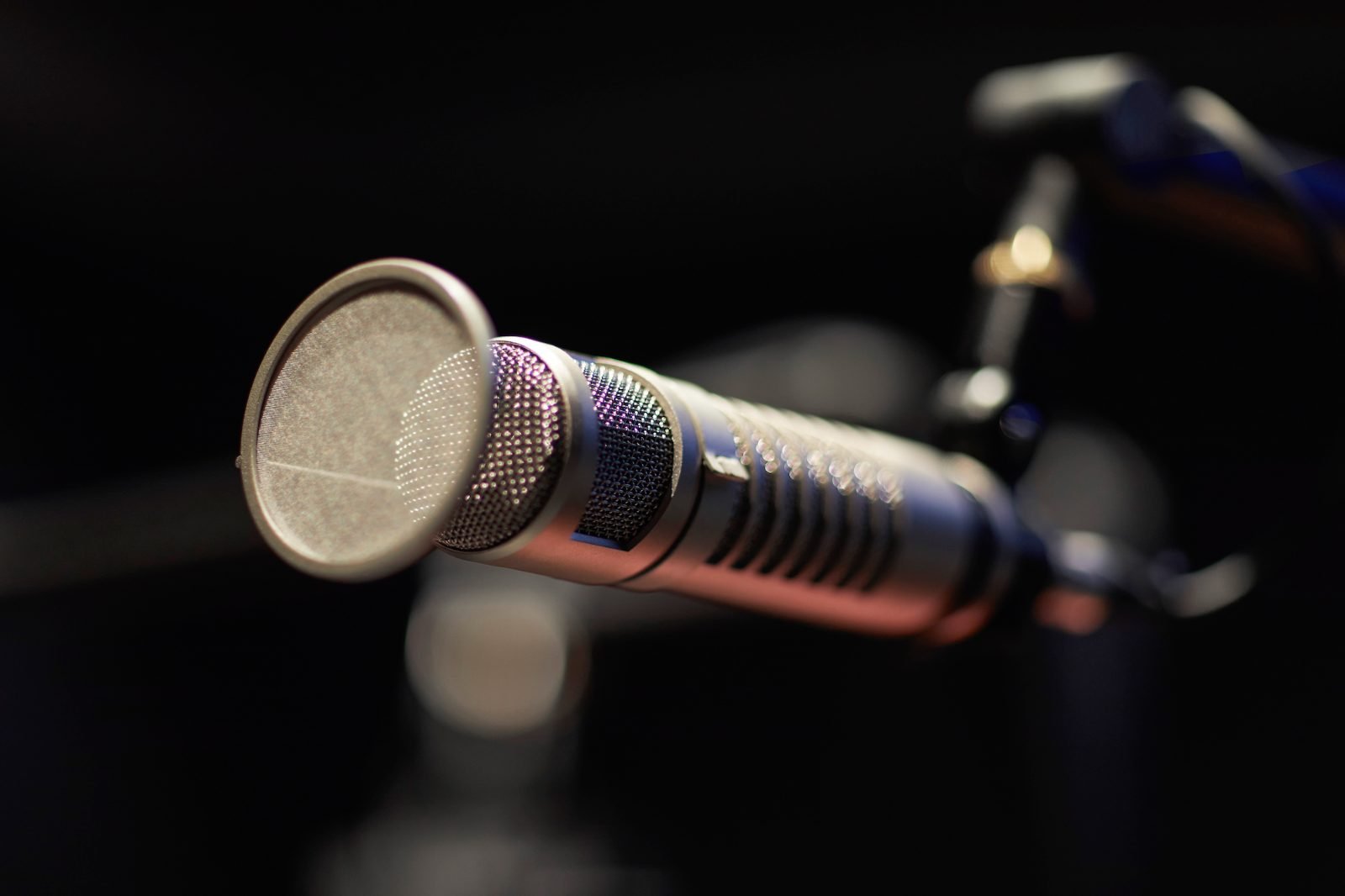
None of these errors requires expensive gear to avoid. They are workflow habits, not talent gaps, and most come down to a single principle: let software perform mechanical chores while a human ear keeps charge of pacing, warmth, and truth. Even equipment choices bow to that principle, since choosing the best budget microphone for video calls matters mainly because clean capture at the source prevents the aggressive processing that causes half the problems below.
Cleanup Set So Hard That Speech Loses Its Pulse
The first and most common failure is accepting maximum cleanup. Every filler word vanishes, every pause closes up, every breath disappears, and the speakers emerge sounding hurried, anxious, and faintly robotic. Real conversation carries meaning in its texture. A pause before an answer signals thought. Laughter shared between sentences builds the intimacy listeners return for. Hesitation can mark the moment a guest decides to be honest. Strip all of that away and the words remain while the person quietly leaves.
The calmer approach treats cleanup as seasoning rather than surgery. Use gentle settings, remove only the tics that genuinely distract, and leave natural pauses standing. Listen to a processed passage at normal speed with fresh ears and ask whether the speaker still sounds like someone you would enjoy meeting. If the answer hesitates, the settings are too strong, whatever the waveform looks like on screen.
Guests suffer most under harsh cleanup, because they cannot review their own portrayal before release. A nervous guest whose every hesitation disappears may sound polished, yet a thoughtful guest whose pauses vanish sounds evasive, and neither gave permission to have their manner rewritten. Hosts owe visitors the courtesy of sounding like themselves. When in doubt, process your own voice as firmly as you like and treat every guest voice with a noticeably lighter hand.
Editing From Text Without Ever Hearing the Audio
Transcript editing feels miraculously fast. Delete a word on the page and the audio follows, so an hour of conversation can be trimmed from an armchair without headphones. The danger is everything a transcript cannot show. It hides laughter overlapping a sentence, a guest talking across the host, a meaningful silence after a difficult question, and the exact point where a joke lands. Cuts made purely on the page routinely slice through those moments, leaving joins that read smoothly and sound broken. The medium grew around intimate spoken conversation, a point the Wikipedia overview of podcasting and its history traces from its earliest experiments onward, and that intimacy lives in sound rather than in text.
Keep the transcript for what it does brilliantly, which is finding material quickly and rough shaping an episode. Then listen to the whole recording properly before release, headphones on, attention undivided. That full listen is where crosstalk, clipped laughter, and awkward joins reveal themselves. Creators who skip it publish episodes that feel subtly wrong to listeners who cannot name why, and subtle wrongness is exactly what erodes a loyal audience over a season.
Automatic Levelling Mistaken for Correct Loudness
Levelling and loudness sound like the same promise and are not. A leveller evens out peaks inside one episode, pushing quiet passages up and loud ones down. Loudness, as listeners experience it, is about how an episode sits beside everything else in a queue, and podcasting follows a widely adopted target measured in specialist units so that nobody reaches for the volume dial between shows. An episode can be perfectly levelled internally and still arrive noticeably quieter or harsher than its neighbours.
The reference material on loudness units and the LKFS measurement standard on Wikipedia sets out why a measured target matters more than a cheerful automatic setting. Check the finished episode against that shared target with a proper meter, adjust the overall gain, and only then export. The task takes moments once it becomes habit, and it spares listeners the small annoyance that quietly marks a show as amateur.
Generated Show Notes Posted Without a Human Read
Drafted titles, summaries, and chapter points save real time, and they arrive carrying real errors. Names get misspelled, especially names the transcription already mangled. Timestamps drift away from the moments they claim to mark. A summary may confidently describe a topic the conversation touched for seconds, or miss the subject listeners actually came for. Posted unread, those notes mislead the very people they exist to help, and searchers who land on wrong details rarely return to check whether the audio was better.
Treat generated notes as a competent first draft from an assistant who was not in the room. Read every line, correct every name, test the chapter points against the audio, and rewrite any sentence you would not say aloud to a listener. The read takes a fraction of the time the drafting saved, and it converts a risky shortcut into a genuinely reliable labour saver.
Cloned Voices Slipped In Without Telling Listeners
Voice cloning has one honourable use: repairing a flubbed word or a swallowed name in the host own voice, sparing everyone a re-recording session for a two second fault. Beyond that line, the ground turns ethical rather than technical. Fabricating a statement a guest never made, extending an interview with synthetic answers, or smoothing a sponsor message into a cloned endorsement all deceive the audience about what actually happened in the room.
Secrecy is what turns a clever tool into a breach of trust. Listeners extend podcast hosts an unusual level of confidence, built on the belief that the voice in their ears belongs to a person speaking honestly. Some places now regulate synthetic voices directly, yet the deeper obligation predates any rulebook. If cloned audio appears in an episode for a legitimate repair, a brief disclosure protects both the audience relationship and the creator. A show caught hiding synthetic speech will spend far longer rebuilding trust than any edit ever saved.
Harsh Noise Reduction That Leaves Voices Underwater
Aggressive noise removal trades one distraction for a stranger one. Push the settings hard against a noisy room and the voice emerges warbling and watery, surrounded by faint musical artefacts that listeners find more tiring than the original hum. The software is guessing which parts of the sound are speech, and at extreme settings it guesses wrong many times a second.
The steadier route attacks noise at its source and asks less of the software. Record in the quietest space available, soften echo with furnishings, keep the microphone close, and capture a short sample of pure room tone so the tool can learn the background it should reduce. Moderate settings on decent audio outperform heroic settings on poor audio every time, and the voice keeps its natural body because so much less processing was ever needed.
Personality Moments Cut Along With the Clutter
Automated editors classify by pattern, and personality rarely fits a tidy pattern. The running joke, the delighted interruption, the affectionate teasing between regular hosts, and the unscripted laugh that becomes a signature of the show all look, to a pattern matcher, like digressions awaiting deletion. A creator accepting suggestions wholesale can publish an efficient episode that somehow contains none of the moments listeners quote to their friends.
Guard those moments deliberately. Keep a short mental list of what makes the show itself rather than merely informative, and review every suggested cut near laughter, banter, and storytelling with suspicion. Information is widely available. A particular pair of voices enjoying each other company is not, and audiences subscribe to the second while merely sampling the first. Efficiency that deletes identity is the most expensive saving in podcasting.
Raw Recordings Overwritten With No Safety Copy
The final failure is quiet and irreversible. A creator edits inside the only copy of a recording, exports over the original, or trusts an editing service as the sole home of the project. A corrupted file, a lapsed account, or one mistaken deletion then erases work that can never be performed again, because conversations happen once. Guests cannot be asked to recreate a spontaneous hour, and the loss usually surfaces at the worst possible moment.
Make preservation boring and automatic. Keep the untouched raw recording exactly as it arrived, work on a duplicate, and store masters and project files in at least one place beyond the editing service itself. Plenty of beloved shows endured simply because someone kept their archives with care. Storage is cheap. Regret, in this one case, is permanent.
A Steadier Workflow That Keeps the Human Ear in Charge
The remedies above assemble into a simple order of work. Record as cleanly as circumstances allow, with a close microphone and a quiet room, then set the raw file aside untouched and back it up before editing anything. Edit on a copy, using the transcript to find material and shape the episode, with cleanup settings held at gentle levels. Protect laughter, pauses, and the exchanges that give the show its character, and repair lines with cloned audio only sparingly and openly.
Then listen to the complete episode as a listener would, away from the screen where possible, and let that hearing drive the final adjustments. Measure loudness against the shared target rather than trusting a leveller, correct the drafted notes line by line, and export the master into safe storage alongside the project. None of this is slow once practised, and all of it preserves the one asset automation cannot manufacture, which is the sound of real people, in a real conversation, being listened to with care.
Adopting this routine does not mean surrendering the genuine gifts of automation. Transcription still arrives in moments, silences still get found without scrubbing through hours of audio, and drafted notes still spare you the blank page. The difference lies in who approves the outcome. Software proposes and the human disposes, episode after episode, and that division of labour is what separates a show that sounds alive from one that sounds processed. Listeners may never articulate the distinction, yet they feel it within minutes, and feeling is what brings them back for the next release.
One comment