
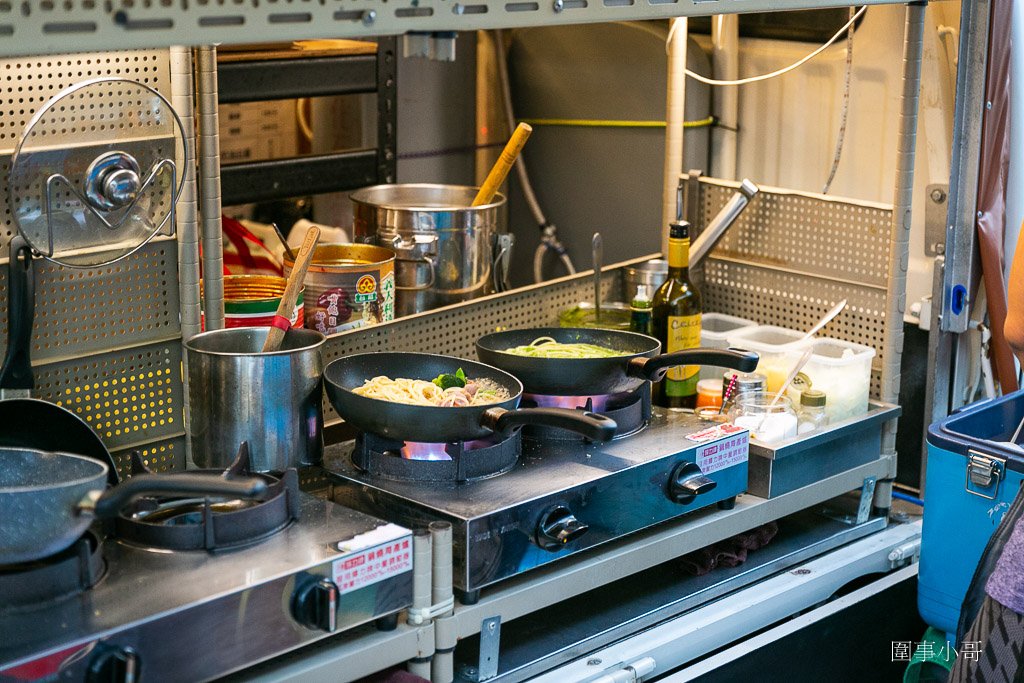
A food truck looks like freedom on wheels until the generator dies at lunchtime, the health inspector arrives unannounced, and the bank balance shows the launch ate every spare cent. Most trucks that fail do not fail because the food was poor. They fail because the launch was built on hopeful figures, guessed permits, and a plan that assumed busy days from the very first week. Work through the launch in the right order, price with your eyes open, and the same truck becomes a small, sturdy business instead of an expensive lesson.
The Launch Checklist, in the Order That Matters
Start here, in this order, and do not skip ahead. First, research the permit rules in the exact streets where you hope to trade, before spending anything. Second, work out the honest all-in figure for the full cost of starting a food truck in your market, including the vehicle, the kitchen build, the permits, the opening stock, the insurance, and a cushion on top. Third, line up places to trade, with names, days, and fees agreed in writing where you can. Fourth, build a short menu and price every item from its true cost. Fifth, set aside reserves for slow months and repairs. Sixth, write the daily opening, closing, and cleaning routines before the first service. Seventh, plan how customers will find you each day, because a truck nobody can find is a kitchen parked in silence.
The first mistake is underestimating what the launch truly costs, and it is the one that poisons everything after it. The low figure that circulates online usually covers a tired vehicle and little else. The realistic all-in figure for most markets runs far above it once the kitchen buildout and equipment, commissary rent, permits, opening stock, insurance, and branding are added, with a contingency on top because used vehicles always need repairs. Funding shapes survival odds more than recipes do. Small-business microloans can offer favourable terms but move slowly. Equipment finance, secured against the vehicle itself, is usually faster and dearer. The underrated path is proving the idea first with a used trailer or a festival tent, learning what sells before committing to a full vehicle. Whichever route you take, keep total debt payments to a modest share of the monthly revenue you honestly expect, not the revenue you hope for on your best Saturday.
A mobile kitchen is a restaurant with wheels. It carries every headache of a fixed restaurant, plus the vehicle, the commissary, and the parking rules, as a broad overview of how food trucks operate makes plain. Trade surveys repeatedly find that many new operators close within a few years, usually from financial missteps rather than bad food. That is oddly good news. Financial missteps can be planned against, and the rest of the checklist is exactly that planning, step by step, before the money runs out.
Permits and Paperwork Before a Single Ingredient Is Bought
The second mistake is buying the truck before researching the permits, which puts the most expensive purchase ahead of the cheapest question. Permit rules overlap and stack. A city business licence sits beside county health approval, a fire inspection, and local parking and vending rules, and each one has its own forms, fees, and waiting time. Timelines of several months are common. Some towns place a ceiling on permits for vendors on wheels or restrict parking so tightly that the whole model is strangled before it starts. An owner who learns that after buying a vehicle owns a very expensive ornament.
Most health rules also require a commissary kitchen, a licensed base that provides prep space, storage, waste disposal, and clean water. That means rent, a contract, and a daily relationship with a place that may sit across town from your best pitch. Price it into the plan early, visit before signing, and ask how early you may arrive, where grey water goes, and what happens when their kitchen is full. Then map the whole permit path on one page, with each approval, its cost, and its likely wait, and let that timeline set your launch date rather than the other way round. Paperwork feels slow, but trading without it ends with a closure notice on the windscreen.
Locking Down Spots Where Hungry Crowds Already Gather
The third mistake is planning to drive around and hope for foot traffic. A truck earns where crowds already gather at predictable times, and hope is not a pitch. Thriving operators secure a handful of weekly spots in advance and build their week around them. Office districts give a lunchtime crowd that values speed. Breweries often welcome a truck because food keeps their drinkers staying longer. Weekend trade comes from produce markets and seasonal gatherings, while bookings for private events bring lump sums that smooth the week out. Each pitch has its own fee, its own crowd, and its own weather risk, so a spread of spots protects you when one falls through.
Visit every candidate spot at the hour you would trade, not at a quiet moment that flatters it. Count the people, watch what they carry, note the rival trucks, and ask the organisers what a typical day pays. Get the agreement in writing where fees or exclusivity are involved, and keep a backup list for the day a pitch is cancelled, a road closes, or a bigger event steals your crowd. A route that repeats weekly also builds regulars, and regulars are worth more than passing trade because they arrive already knowing what they will order and how long it takes.
A Short Menu Priced to Survive Real Costs
The fourth mistake is a long menu. In a kitchen the size of a wardrobe, every extra dish means more stock, more prep, more waste, and slower service, and slow service during the midday rush is how a queue melts away. A winning menu runs a small set of items executed flawlessly, sharing ingredients so nothing sits long enough to spoil, with one or two specials to test new ideas without committing the whole stock cupboard. If a dish cannot be served briskly at peak pressure, it does not belong on the board, however proud of it you are.
The fifth mistake is pricing from the heart instead of from the costs. Add up what each serving truly costs: ingredients, packaging, gas for cooking, and a share of the pitch fee and fuel for the day. Food cost should stay near a quarter to a third of the menu price to leave room for labour, fuel, commissary rent, and fees, and dishes that cannot meet that shape after honest trimming should be repriced, resized, or dropped. Charming prices that lose a little on every sale do not become profitable with volume. They become a faster route to an empty account, served with a smile.
Reserves, Repairs and the Lean Months
The sixth mistake is launching with no reserves, and it ends more trucks than any recipe ever saved. Money set aside must cover several months of running costs plus the owner living costs, because slow seasons, breakdowns, and permit delays all strike in the first year, often together. A generator does not care that this week was quiet. A fridge fails on the warmest day, not the emptiest one. Operators who launch with a cushion survive the learning curve, learning their pitches and their menu while the reserve absorbs the shocks. Operators who launch empty-handed fold at the first crisis, however good the food is.
Build the reserve before you build the brand. Price the wrap and the signage after the cushion exists, not before, and treat the reserve as untouchable for anything except keeping the truck alive. The Small Business Administration steps for launching a business are worth reading at this stage for the wider groundwork on planning and money that sits behind any launch. Know your kill criteria too, and write them down while you are still calm. If permits in your chosen streets prove impossible, if no pitch within reach draws a lunch crowd, or if the honest figures only work at prices nobody will pay, walk away early. A concept abandoned on paper costs a few weeks. A concept funded until it fails costs the truck, the savings, and the year.
Daily Habits That Keep a Truck Rolling
The seventh mistake is treating daily operations and promotion as afterthoughts once the launch excitement fades. Survival is decided by routines. Opening and closing checklists keep stock, cash, and cleaning from depending on memory. Temperature logs and care around cross-contamination protect customers and keep inspectors calm, and a failed inspection can shut a truck down on the spot. Weekly maintenance, from tyres and oil to generator fuel and water tanks, prevents the lunchtime breakdown that costs a whole day of takings and a pitch you may not be offered again.
Promotion is a daily task, not a launch activity. Post the day location every morning, keep a search business profile current, watch festival calendars for bookings, and build a mailing list for catering enquiries, because customers literally follow trucks online and plan their lunch around the post they saw at breakfast. Photograph the food in daylight, answer messages the same day, and thank the breweries, markets, and offices that host you. A truck that runs its routines, keeps its reserves, prices from its costs, and shows up where the crowds already are has done the unglamorous work that freedom on wheels actually rests on.
One last piece of honesty belongs in the plan. Test the idea cheaply before the big spend wherever you can: a borrowed pitch at a festival, a weekend stall, a short run with a rented trailer. Watch what sells out, what comes back unsold, how long the queue waits before it thins, and whether strangers pay the price your figures require without flinching. That small test answers the questions no spreadsheet can, and it does so while walking away is still cheap. If the test delights you and the figures hold, buy the truck with confidence. If it does not, you have bought the most valuable thing in the whole launch for very little money: the truth, early.


