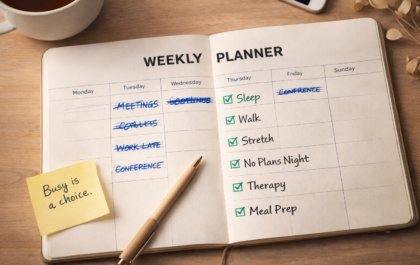
Reaching for the phone before your feet touch the floor hands the start of the day to strangers, headlines and other people’s urgencies. Reclaiming those early minutes is less about willpower and more about moving temptation physically out of reach.
Moving the Phone Out of Arm’s Reach
Begin with geography, not promises. Tonight, plug the handset in somewhere that requires standing up and walking tomorrow morning: a hallway shelf, the kitchen counter or a bathroom cabinet away from water. Distance changes the decision completely, because a phone beside the pillow can be reached by a half asleep hand acting before thought arrives, while a phone across the home demands a deliberate journey that most people will not make for a routine scroll through overnight noise.
Prepare that new charging home properly before the first night. Clear a small space, keep the lead there permanently and add a landing spot for keys or glasses if sharing the station helps the habit stick. Anyone whose relocated handset misbehaves on its new lead should first learn how to fix a phone that will not charge before the new routine begins, since a flat battery by morning would drag the device straight back to the bedside table within a week.
Expect the bedroom to feel oddly quiet once the handset leaves. That emptiness is the point, and it helps to decide in advance what belongs beside the bed instead: a paperback, a glass of water, a notebook for stray thoughts that previously became searches. Some people worry about missing an emergency call, so leave the ringer audible from the new location or allow repeated calls from close family to break through silent settings while everything else waits politely until breakfast.
A Replacement Ritual for Waking Up
Removing the phone leaves a vacancy, and vacancies invite relapse. Fill the opening minutes with a short sequence so familiar that a groggy mind can follow it without negotiating. Wash your face, make the bed loosely, open the curtains, drink some water and dress in clothes laid out the night before. None of this needs to feel virtuous or elaborate; its power lies in order, because each completed step carries you further from the bed and closer to a day that began with your own choices.
Support for steady starts comes from Wikipedia’s entry on sleep hygiene, a plain overview of behavioural and environmental habits linked with healthier rest, including regular routines around waking and exposure to morning light. Borrow that spirit rather than chasing perfection: similar actions, in a similar order, at a similar hour teach the body what comes next far better than a heroic routine performed twice and abandoned by Friday.
Choose one element of the sequence to genuinely enjoy, since dread is a poor glue for habits. That might be coffee made slowly, a song played while you dress, stretches by an open window, a short walk to buy bread or ten unhurried minutes with a book at the kitchen table. Pleasure gives the ritual a pull of its own. Scrolling once promised novelty; the replacement must promise something too, even if that something is simply the calm of an unclaimed mind.
Protect the ritual from expansion. A gentle quarter hour works better than an ambitious programme involving journaling, exercise, meditation, language practice and a cooked breakfast all before work, because overloaded mornings collapse under their own weight. Start with the smallest version that still separates waking from phone use, perhaps ending the protected stretch when you sit down to eat or leave for work. You can enrich it later, once the basic shape feels automatic and the handset has stopped calling from the other room.
Silencing the Overnight Pile Up
Even a distant phone can exert pressure if it wakes you with a screen blazing full of badges. Prune notifications ruthlessly one evening, category by category. Messages from real people may stay; news alerts, shopping nudges, game reminders and social summaries can go entirely, or wait silently until you open their applications yourself. Email badges are especially poisonous at dawn because they disguise ordinary correspondence as obligation, so hide the count and let the inbox become a place you visit rather than a voice that summons you.
Use scheduled quiet hours to automate the discipline. Most handsets allow a sleep or focus mode that silences applications overnight and releases them at a chosen hour, ideally after your replacement ritual has finished. Allow exceptions narrowly: immediate family, a child’s school, an employer who genuinely might call about emergencies. Everyone else can survive being answered later, and discovering that truth repeatedly is one of the healthiest lessons the whole experiment teaches.
Tidy the home screen as a finishing touch. Move social, news and video applications off the first page or into a folder labelled with a pause, and replace them with dull utilities such as the clock, weather, maps and notes. When the phone finally reaches your hand, friction should greet the habits you are escaping while useful tools remain effortless. A greyscale display during the first hour offers another subtle deterrent for people who find colourful icons irresistibly tappable.
What to Do When the Alarm Lives on the Phone
The commonest objection is also the most practical: the phone is the alarm clock. Solve it directly by buying, borrowing or rediscovering a simple standalone alarm, the kind with a snooze button and no opinions. Place it where the phone used to live so the waking routine stays anchored in the same spot, and set it before the evening ends rather than fumbling with settings while tired. A sunrise style lamp alarm suits people who wake badly to noise, while a vibrating watch can help light sleepers or shared rooms.
If a standalone alarm is impossible tonight, compromise intelligently. Charge the phone inside the bedroom but across the room, face down, with only the alarm and emergency calls permitted to make noise. Standing up to silence it breaks the physical chain that leads from pillow to feed, and many people find that single change surprisingly sufficient. What matters is eliminating the half conscious reach, not achieving a perfect monastic separation from technology under every circumstance.
Weekend lie ins deserve a decision too. Either let the alarm rest and wake naturally, accepting a slower start, or keep the alarm and treat the protected ritual as movable rather than abolished. Drifting back to sleep with the phone as entertainment is precisely the pattern being dismantled, so replace it deliberately with a book, radio at low volume or simply the old fashioned pleasure of dozing without a screen inches from your face.
Travellers face a version of this problem in hotel rooms where sockets hide behind furniture and the handset ends up on the nightstand by necessity. Use the bathroom counter, the desk or a bag across the room, and set the alarm before unpacking the rest.
Handling Restless Mornings Without Scrolling
The first mornings may feel itchy. You will think of a message that might have arrived, a score you want, a headline you half remember, and the thought will dress itself as urgency even though nothing about it expires before breakfast. Name the trick when it happens. Most cravings peak and pass while you are washing, dressing or making tea, which is why the replacement ritual matters: it gives restlessness somewhere to go instead of leaving you alone in bed arguing with it.
Understanding rhythms helps make sense of that unsettled feeling, as Wikipedia’s article on circadian rhythm sets out in its account of internal clocks responding powerfully to light and repeated routine. A flood of artificial alerts at the same delicate moment each day works against that steadiness, while daylight, movement and a predictable sequence give the body consistent signals about when sleep ends and the day properly begins.
Keep a notebook within reach for the thoughts that genuinely matter. A task remembered at dawn can be written down and released, rather than chased immediately into the application where it lives surrounded by distractions. The same trick handles ideas, shopping needs and messages to send later: capture them on paper, close the notebook and continue the ritual. Paper holds information without offering a portal to the entire internet as a handling fee.
Be honest about difficult days rather than declaring the experiment ruined. Illness, a broken night with children, travel disruption or genuine worry will sometimes send you to the phone early, and one lapse proves nothing except that mornings vary. Return the handset to its distant station the following night and continue. Habits built through environment survive occasional failure precisely because they do not depend on feeling motivated, pure or proud every single day.
Protecting the Change on Weekends and Trips
Weekends loosen every routine, which makes them both a risk and a useful test. Keep the charging station exactly where it lives on weekdays, even when no alarm is set, because consistency of place carries the habit when consistency of hour relaxes. Decide what counts as the end of the protected stretch on a slow morning: perhaps after a walk, after breakfast or after the first coffee enjoyed outside. Without some marker, a harmless check can quietly stretch across the whole morning.
Social plans need light handling rather than announcements. Friends who message early can wait until your protected stretch ends, and anyone likely to need you urgently should know to telephone instead. When houseguests or family visits disturb the geography of chargers and alarms, restore the arrangement the same evening rather than letting temporary chaos become permanent. Trips home, festivals and holidays all test the system in similar ways, and the answer is always to rebuild the environment, not to lecture yourself.
Review the experiment after a few weeks with curiosity. Notice whether breakfast tastes different without headlines, whether the walk to work feels calmer and whether the day’s first task now comes from your own list instead of somebody else’s inbox. There is no medal for the longest abstinence, only a morning that belongs to its owner again.
The lasting change is modest and physical: a charger in another room, an alarm that only tells the time, notifications pruned to human essentials and a small ritual ready to receive you when you wake. None of it requires deleting accounts, buying special equipment or announcing a new personality online. Simply move temptation out of reach tonight, let daylight and routine fill the space it leaves, and allow tomorrow to begin with your feet on the floor and your attention still your own.