Cutting an avocado exposes pale green flesh that can streak brown within hours, leading many people to throw away food that is still perfectly pleasant to eat. The darkening is shallow chemistry, not spoilage. The flesh carries an enzyme that meets oxygen and forms brown pigments near the surface, while cold, citrus and a seal that touches the flesh all slow that reaction. A whole ripe fruit waits happily in the fridge, and a dressed half can hold its colour for a day or two. The sections below examine halves, slices and diced flesh separately, and how to judge safety honestly.
The Enzyme Reaction on Cut Flesh
There is a plain money reason to bother with all this care. Avocados are not cheap fruit, and a half thrown away over a shallow brown film is food and pay wasted together. Anyone who has sat down and tried working out yearly pay from an hourly wage knows how slowly that pay arrives and how fast small wastes eat into it. Saving a sound half with juice, wrap and cold is a tiny habit, but it is exactly the kind of habit that keeps a food budget honest.
Inside whole avocado flesh, everything is sealed away from the air. The skin and the unbroken surface keep oxygen out, and the flesh stays the pale green yellow colour it had when the fruit ripened. A knife changes that in a second. Cut surfaces open tiny cells, air flows in, and an enzyme that was sitting harmlessly in the flesh suddenly has the partner it needs to start working.
Writers covering the avocado and its soft green flesh note plainly that the flesh darkens after cutting because of oxidation, and that single word explains most of what home cooks see. The enzyme, helped by oxygen, turns natural compounds near the surface into brown pigments. The change stays shallow because air can only reach so far into dense flesh. A short distance below the streaked surface, the avocado is usually the same colour and flavour it was before the knife touched it.
Three forces set the speed of the reaction. Air is the trigger, so the more surface a cut exposes, the faster and wider the browning spreads, which is why dice browns faster than a half. Warmth speeds the enzyme up, so a cut fruit left on a sunny counter changes far sooner than one put straight into the cold. Acid works the other way, slowing the enzyme where it touches the flesh, which is the entire reason citrus juice has been squeezed over cut fruit for generations.
None of this is spoilage, and keeping the two ideas separate is the heart of storing avocado well. Spoilage comes from microbes growing over time, helped by warmth and moisture, and it brings smells, slime and mould with it. Browning is a surface chemical change that can appear within hours on food that is still fresh underneath. Treating a brown streak as proof of rot wastes good food, while ignoring real spoilage signs is careless. The rest of the sections keep both truths in view at once.
Halves With the Stone Left In
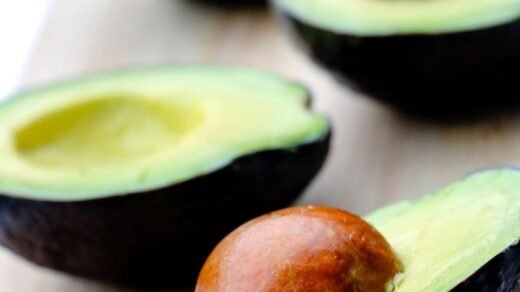
The half is the easiest form to store well, partly because it has the least cut surface of any leftover shape. Leave the stone sitting in the half you are saving. The stone shields the flesh directly beneath it, which never meets the air at all. Be honest about the limit, though. The stone protects only that small covered patch, and the wide ring of exposed flesh around it needs its own protection if it is to stay green.
That protection starts with acid and cold together. The enzymatic browning reference points out that cold conditions and acidic conditions can slow browning in cut produce, and a stored half uses both at once. Squeeze lemon or lime juice over the whole cut surface, or brush it on so the edges are covered too. Citrus juice brings citric acid to the surface, and that acidity makes the browning enzyme work far less keenly while the fridge cold slows it further.
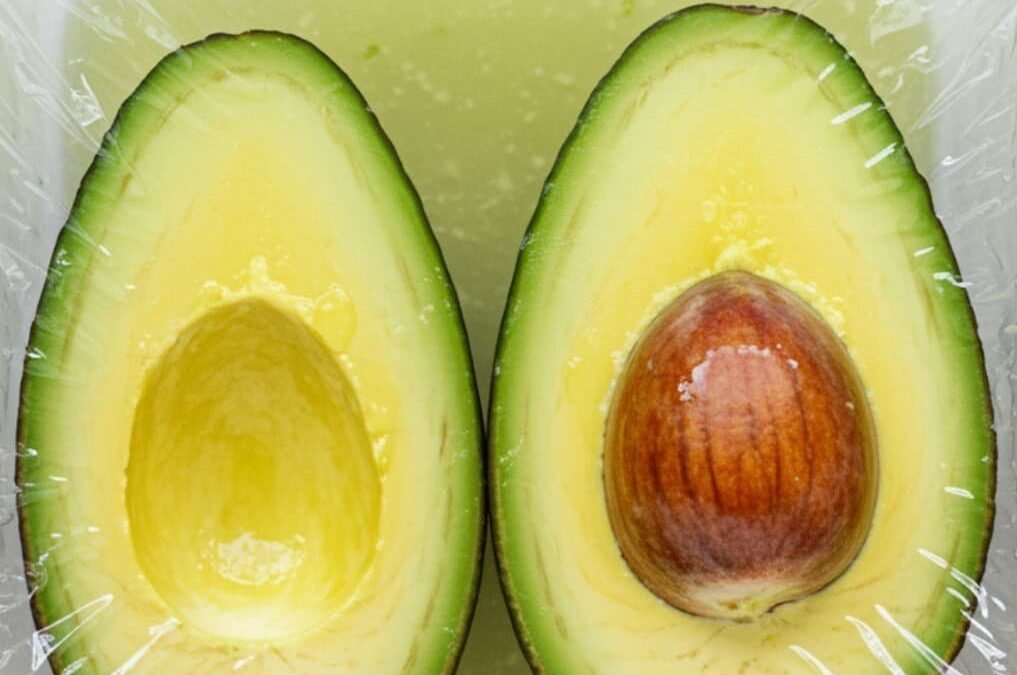
Then seal the half so the seal touches the flesh. Press wrap straight against the cut surface, smoothing it into contact with your fingers, or set the half cut side down in a small container that fits it closely. A large container leaves a pocket of air around the fruit, and that pocket defeats the careful dressing you just applied. Put the sealed half in the fridge at once, and expect it to look good the next day and stay usable for a day or two in total.
Slices and Diced Flesh in Small Containers
Slices and dice ask more of the cook, because every new cut adds fresh surface for air to work on. A bowl of diced avocado has many times the exposed area of a single half, and it will show it. The answer is to dress every piece, not just the ones on top. Tumble the pieces gently in a bowl with citrus juice until they all carry a light coating, handling them with a soft spoon so they keep their shape.
Pack the dressed pieces into the smallest container they will fill, pressing them down lightly to leave as little air between them as possible. Smooth the top, press wrap onto the surface itself, then add the lid and refrigerate at once. Pieces stored this way hold their colour best through the same day and into the next, which suits salads, grain bowls and toast toppings planned a short way ahead. For the best appearance, treat slices as a make today, eat soon food rather than a long store.
Hold back a little juice at serving time. A fresh squeeze over slices just before they go to the table brightens both colour and flavour, and it covers the faint dulling that even careful storage allows. If a few edges have darkened slightly, they can be trimmed or simply mixed in, since the browning on well stored pieces stays shallow and the flavour underneath remains clean.
Whole Ripe Fruit Held in the Fridge
A whole ripe avocado is the most forgiving leftover of all, because its skin is still doing the job it grew for. Once a fruit yields gently to palm pressure, move it to the fridge even if you do not plan to eat it that day. The cold slows the softening dramatically, and a ripe whole fruit will wait there happily for several days, holding close to the texture it had when it went in. This simple move ends the familiar panic of several fruits ripening on the same afternoon.
Timing matters at the other end as well. A hard, unripe fruit should ripen on the counter first, because long cold before ripening can harm the flesh and leave it stringy or uneven when it finally softens. Watch firm fruit daily, squeeze gently with the whole palm rather than fingertips, and move each fruit into the fridge at the moment it gives slightly. Staggered this way, a bag of mixed ripeness becomes a rolling supply instead of a single crowded deadline.
Keep ripe fruit where you can see it, toward the front of a shelf rather than buried behind jars. Most whole avocados are lost not to bad storage but to forgetting, discovered a week later with dark, over soft flesh. A visible fruit gets eaten. That small bit of fridge housekeeping does more for waste than any special container on the market.
Freezing Cut Avocado for Later Cooking
Freezing stops the clock in a way the fridge cannot. Halves, slices and purée all freeze, and frozen avocado keeps well for a long stretch, ready for smoothies, sauces, dressings and baking. Peel halves and remove the stone before freezing, brush the flesh with citrus juice, wrap each piece tightly so no air sits against it, and pack the wrapped pieces together in a sealed bag or box with the air pressed out.
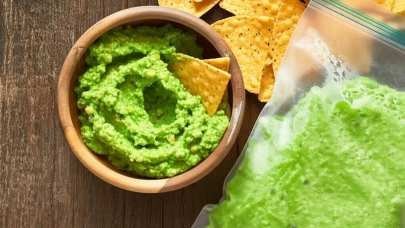
Purée freezes most neatly of all. Mash ripe flesh with a little lemon or lime juice, spoon it into small containers or trays in portions you will actually use, smooth the top and seal. Frozen in small amounts, it thaws quickly and stirs straight into guacamole style dips, green dressings and blended drinks. Label each container with what is inside and when it went in, in plain words, so nothing becomes a mystery block at the back of the freezer.
Set your expectations honestly about texture. Thawed avocado is softer and a little watery compared with fresh, because freezing breaks down the flesh structure. It will not slice neatly for toast or sit proudly on a salad. Used where it is mashed, blended or cooked, though, the flavour survives well, and freezing a surplus at its peak is far better than watching it collapse on the counter.
Browning That Is Harmless and Signs to Discard
Harmless browning has a clear character once you know it. It sits on the surface as streaks or a thin film, it stops at a shallow depth, and the flesh below it carries a fresh, buttery smell and a firm feel. Shave the darkened layer away with a knife and the green flesh beneath is ready to eat. Sound avocado that has browned is also perfect for uses where colour is hidden anyway, such as smoothies, chocolate desserts, dressings and cooked dishes, where its richness matters and its looks do not.
Discard signs are just as clear, and they should never be argued with. Throw the fruit away if it smells sour or fermented, like something turning rather than something fresh. Throw it away if the texture has gone slimy, or if the flesh feels wet and stringy all the way through rather than only at a damaged spot. Throw it away if you find mould on the flesh or skin, in any amount, or if dark streaks run deep through the whole fruit instead of sitting on the surface. When smell and touch disagree with appearance, trust smell and touch.
The calm rule that ties the whole subject together is to judge by depth, smell and feel, never by surface colour alone. Most cut avocado that gets thrown away was discarded for a shallow chemical blush it did nothing to deserve. Dress it with citrus, seal it against the flesh, keep it cold and use it soon, and the fruit you paid for becomes the meal you planned, green where it counts and wasted nowhere.