You make a beautiful bowl of guacamole, cover it, and open the fridge the next day to find the top layer turned an unappetizing army-brown. The flavor underneath is usually fine, but nobody wants to serve brown guacamole, and scraping off the top wastes a third of the bowl. The good news: browning is a surface problem with a surface solution, and the best methods keep guacamole bright green for a full day or more.
This guide explains why guacamole browns, ranks the storage methods that actually work — including the water trick most people have never tried — and tells you which popular hacks are mostly myth.
Quick Answer
Guacamole browns when oxygen reaches the avocado’s flesh and reacts with an enzyme called polyphenol oxidase. To keep it green overnight, press plastic wrap directly onto the surface of the guacamole so no air touches it, or smooth the top and pour a thin layer of water (about half an inch) over it before sealing — pour the water off and stir before serving. Refrigerate promptly. The water method reliably keeps guacamole green for 24 to 48 hours; plastic wrap alone usually buys you about 24 hours. Extra lime juice helps flavor and slows browning slightly, but air exclusion is what really works.
Why Guacamole Turns Brown
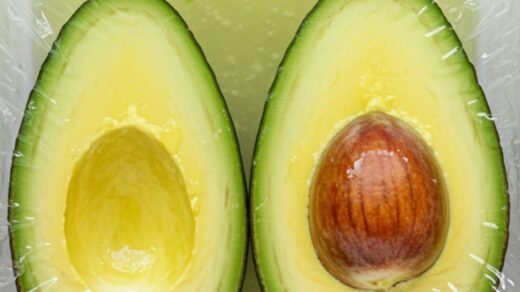
Avocados contain an enzyme, polyphenol oxidase, that reacts with oxygen in the air and converts compounds in the flesh into brown pigments — the same chemistry that browns a cut apple or banana. Three facts follow from that science:
- Only the exposed surface browns. The guacamole underneath a brown top layer is almost always still green and safe. The reaction needs air, so it can only happen where air touches.
- Cold slows it down. Refrigeration does not stop oxidation, but it noticeably slows the enzyme.
- Acid slows it a little. Lime juice lowers the pH on the surface, which makes the enzyme work less efficiently. It helps, but it cannot protect the surface by itself — guacamole with plenty of lime still browns in an open bowl.
This is why every effective storage method is really the same idea in different clothing: put a barrier between the guacamole and the air. The USDA’s food storage guidance gives the general framework for refrigerated leftovers — keep perishable dips refrigerated at 40°F or below and use them within a few days — and guacamole fits comfortably inside that window when it is sealed properly.
The Methods, Ranked From Best to Worst
Method 1: The Water Layer (Best for 24–48 Hours)
Smooth the guacamole into an even layer in a container with a tight lid, pressing out air pockets. Pour cool water over the top to a depth of about ¼ to ½ inch, covering every bit of the surface. Seal and refrigerate. To serve, pour the water off, give the guacamole a stir, and add a pinch of salt or squeeze of lime if it tastes slightly diluted on top. Avocado is dense and fatty, so the water sits on top rather than soaking in — the texture stays right, and the barrier is essentially perfect because no oxygen reaches the flesh at all.
Method 2: Plastic Wrap Pressed on the Surface
Transfer the guacamole to the smallest container it fits in, smooth the top, and press plastic wrap directly onto the surface, pushing out air bubbles with your fingers, then add the lid. The key detail is direct contact — a loose cover over the bowl leaves a whole layer of trapped air and barely helps. Done carefully, this keeps the top green through the next day.
Method 3: A Thin Layer of Lime Juice or Oil
Flooding the surface with lime juice creates a temporary acid barrier, but it makes the top taste aggressively tart and only delays browning by a few hours. A thin film of neutral oil works similarly as an oxygen barrier and is gentler on flavor, but it can leave the top slightly greasy. Both are backups, not first choices.
Method 4: The Avocado Pit in the Bowl (Mostly Myth)
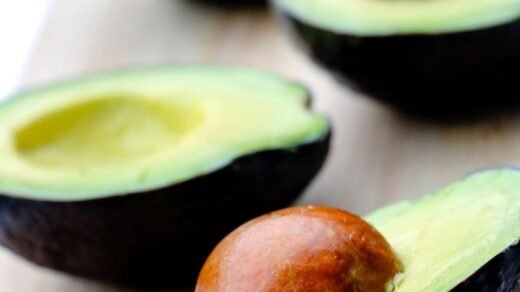
Leaving the pit in the guacamole only protects the small patch of guacamole directly underneath it — the spot that was never exposed to air anyway. The rest of the surface browns exactly as fast as it would without the pit. It does no harm, but it is not a storage strategy.
Step by Step: Storing Guacamole the Night Before a Party
1. Make the guacamole on the firmer side — slightly under-seasoned and a touch chunky, since you will stir it again before serving
2. Pack it into a container just big enough to hold it, pressing down to remove air pockets
3. Smooth the surface completely flat with the back of a spoon
4. Add the water layer, or press plastic wrap directly onto the surface
5. Seal with the lid and refrigerate immediately
6. Before serving, pour off the water (or peel off the wrap), stir well, then finish seasoning — salt and lime fade slightly overnight, so taste and adjust
Making guacamole ahead also pairs well with prepping the rest of a morning spread in advance; our breakdown of how long breakfast burritos actually take to make shows a similar make-ahead logic — a bowl of still-green guacamole pulled from the fridge is the fastest way to upgrade them.
What If It Already Browned?
A thin brown top layer is a quality issue, not a safety issue. Scrape or stir: in most cases the brown layer is only a few millimeters deep, and either removing it or stirring it in (where it becomes invisible) restores the bowl. If the guacamole smells sour, tastes fermented, or has been in the fridge more than about 3 days, discard it regardless of color. Guacamole that was left at room temperature for over two hours at a party should also be thrown out rather than refrigerated for tomorrow.
Common Mistakes That Turn Guacamole Brown Faster
- Storing it in a big, half-empty bowl. More headspace means more trapped oxygen against the surface. Use the smallest container possible.
- Covering the bowl instead of the guacamole. A lid or foil over the top of a bowl does almost nothing. The barrier has to touch the food.
- Relying on lime juice alone. Lime helps, but guacamole left open with extra lime still browns within hours.
- Leaving it out while you prep everything else. Every hour on the counter is an hour of oxidation plus bacterial growth. Refrigerate first, garnish later.
- Adding the tomatoes and onion long before serving. Their moisture weeps into the guacamole overnight and dulls both color and texture. For the best make-ahead bowl, store the base plain and fold in fresh tomato and onion just before serving.
- Using a metal container or spoon left in the bowl. It will not poison anything, but prolonged contact can add off-flavors; glass or plastic is better for overnight storage.
Conclusion
Keeping guacamole green overnight is not about a magic ingredient — it is about denying the surface any contact with air. A thin layer of water poured over a smoothed, packed surface is the most reliable method and buys you up to two days; plastic wrap pressed directly onto the guacamole is a close second. Refrigerate promptly, use the smallest container you have, and finish the seasoning after the final stir. Your next-day guacamole will look like you just made it.
FAQ
How long does guacamole stay green with the water method?
Typically 24 to 48 hours in the refrigerator. The water forms a complete oxygen barrier, so the surface cannot oxidize. Pour the water off, stir, and re-season lightly before serving. Beyond two days the flavor and texture decline even if the color holds.
Does adding extra lime juice stop guacamole from browning?
It only slows browning modestly. Acid makes the browning enzyme less efficient, but it cannot block oxygen. Lime is worth including for flavor, yet you still need a physical barrier — wrap on the surface or a water layer — for overnight storage.
Is brown guacamole safe to eat?
A thin brown layer from oxidation is safe; it is purely cosmetic, and the guacamole beneath is fine. Discard guacamole that smells sour or off, tastes fermented, sat at room temperature for more than two hours, or has been refrigerated for more than about three days.
Can you freeze guacamole to keep it green?
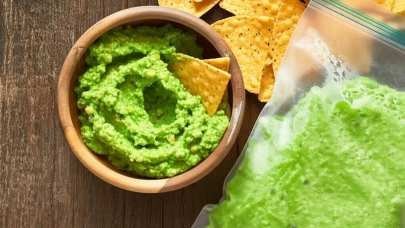
You can freeze plain avocado purée successfully, but finished guacamole with onion, tomato, and cilantro thaws watery and dull. If you want make-ahead insurance, freeze the mashed avocado base with lime juice and add the fresh mix-ins after thawing.