
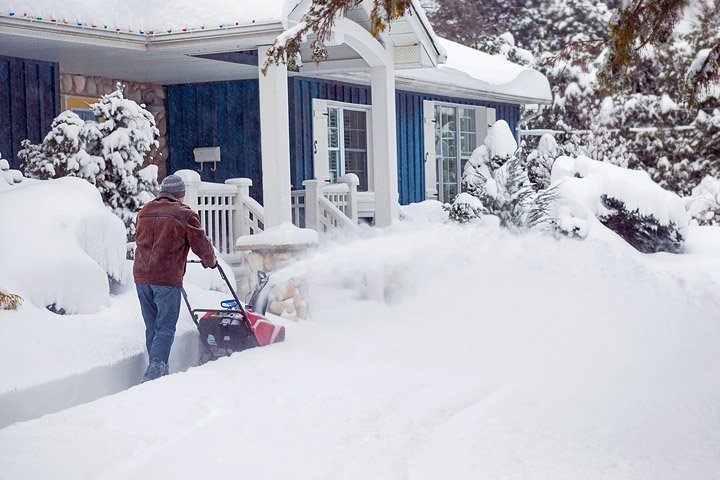
Cold weather tests every weak point a house has been hiding through the gentler months. Pipes near outside walls, tired seals around openings, and neglected heating equipment all wait for the same frosty night to fail together. Preparing during mild autumn days turns an anxious scramble into an orderly weekend of small tasks. Each completed job lowers both the risk of damage and the cost of staying warm. Starting early also means materials are in stock, tradespeople still have gaps in their diaries, and you can work in daylight without numb fingers or fading patience.
Autumn Oversights That Leave Houses Exposed to Freezing
The most damaging oversight is simply leaving preparation until the forecast turns threatening. By then hoses are stiff, sealant will not cure kindly, and any plumber or heating engineer worth hiring is already booked by neighbours who planned ahead. Houses also suffer when owners focus on one visible task and ignore the chain around it, insulating a pipe while leaving the draft that chills it untouched, or servicing a boiler while gutters overflow against the wall below. Winter damage rarely arrives from a single dramatic flaw. It creeps in through several small neglected details combining on the coldest night of the year, which is why a whole house walk round in autumn matters so much.
Another neglected habit is failing to learn the house before trouble starts. Every occupant should know where the main water shutoff sits, how to reach it in the dark, and whether it still turns freely after months untouched. Test it gently during calm weather, label it clearly, and show another household member the route, because a burst pipe during a lone evening becomes far worse when nobody can stop the flow. Keep a torch, basic tools, and the number of a trusted plumber near that shutoff point. Completing all preparation before the earliest expected freeze, rather than the average one, gives a margin that protects against the sudden cold snap that catches a whole street off guard.
Forgotten exterior details complete the pattern of exposure. Garden furniture left to rot, pots that crack as trapped water expands, and branches hanging over roofs all become winter problems that autumn could have solved cheaply. Inside, spare rooms closed off completely can fall cold enough to endanger the pipes within them, while thermostats set too low during holidays invite exactly the freeze the trip was meant to be a break from. A steady modest background warmth, checked by a neighbour or a simple alert device where fitted, is far cheaper than repairing split pipework in January. Walk the property slowly, list every exposure you find, and work the list in order of water risk first.
Sealing Drafts Around Openings Before Cold Air Arrives
Drafts waste heat continuously and chill the very wall cavities where pipes run, so sealing them ranks high on any autumn list. Work around windows first, replacing perished putty or sealant, adjusting catches that no longer pull sashes tight, and adding brush or foam strips where frames have shrunk with age. Feel for moving air on a windy day with the back of a hand, and mark each leak with tape as you find it so nothing is missed once materials come out. Letterboxes, keyholes, and gaps beneath doors all deserve attention too, with brush covers and door sweeps cutting the cold river that otherwise flows across hall floors all winter.
Doors that stick or sag are a hidden reason drafts keep returning, since a door that never fully closes defeats fresh weatherstripping however carefully the frame is sealed. Understanding fixing a sticking door properly helps you decide whether planing an edge, tightening hinges, or adjusting a latch will restore the close fit that sealing depends on. Treat the door itself before spending on thicker seals, because compressing new stripping against a warped or dropped door only masks the fault for a few weeks. Once the door shuts cleanly along its whole edge, modest sealing materials perform exactly as intended.
Continue the same discipline around loft hatches, pipe entries, and cable penetrations, where warm air escapes upward and outward unseen. Fit an insulated cover or at least a sound seal to the hatch, and close gaps where services pass through exterior walls with suitable filler that tolerates movement. Guidance published through official energy channels notes that adding insulation and sealing air leaks can reduce heating and cooling costs while improving comfort, and the comfort half of that promise is felt immediately on the first windy night. Recheck your work after the first cold spell, because new drafts sometimes reveal themselves only when temperature differences grow large.
Pipes, Outdoor Taps, and Hoses Needing Attention Early
Plumbing deserves the earliest attention of all, because frozen water expands with enough force to split copper and plastic alike. Begin outside by disconnecting every garden hose, draining it fully, and storing it under cover, since a hose left attached traps water inside the tap and the short pipe run behind it. Close any interior isolation valve serving outdoor taps, open the outside tap to drain what remains, and fit an insulating cover over the fitting for the season. Irrigation lines and outdoor water features need draining or professional blowing through where the design requires it, well before the first hard frost settles into the ground.
Inside the house, trace pipe runs through unheated spaces such as garages, crawl spaces, cellars, and lofts, paying closest attention to lengths that hug outside walls. Fit foam sleeves snugly over exposed runs, taping joints and bends so no bare section remains to chill first. The Wikipedia summary of winterization describes it as the process of preparing a home or other structure for winter conditions, including protecting plumbing against freezing, and that plumbing focus reflects where the costliest damage begins. Where pipes have frozen mildly in past winters, add extra insulation there and consider leaving a slow trickle running during extreme nights as a short term precaution.
Cabinets beneath sinks on exterior walls hide another vulnerable run. During severe cold, opening those cabinet doors lets warmer room air circulate around the pipework, a simple habit that costs nothing. Check for slow drips and tired flexible connectors while you are down there, because a small leak in autumn becomes a soaked cabinet and a swollen floor by spring. Know again where the main shutoff sits before you need it in anger, and rehearse reaching it quickly. Standing water left in outdoor hoses and unprotected exterior taps can freeze and damage connected pipework, which is why draining them before hard frost is standard practice everywhere winters bite.
Heating Systems and Chimneys Readied for Heavy Use
Heating equipment that has idled through summer should never be trusted to perform flawlessly on the first cold night without attention. Change or clean filters where the system uses them, clear vents and radiators of dust and obstruction, and bleed radiators that gurgle or stay cool at the top while hot below. Test the system on a mild day, listening for new noises and checking that every room reaches a reasonable warmth, so faults surface while engineers still have availability. Arrange professional servicing for heating equipment rather than improvising repairs, because burners, flues, and safety controls involve combustion and ventilation risks that belong with qualified hands.
Authoritative background supports that cautious approach. The Department of Energy Energy Saver pages carry guidance noting that heating systems benefit from regular maintenance and filter changes during heavy seasonal use, alongside advice on sealing and insulation. Chimneys serving open fires or stoves need sweeping before the season of heavy use, removing soot and creosote that restrict flow and raise fire risk, and the sweep can also spot cracked linings or damaged cowls worth repairing before storms test them. Test smoke alarms and carbon monoxide alarms on every floor during the same visit week, replacing tired batteries without waiting for the warning chirp at night.
Fuel and controls deserve a final review. Order heating oil or solid fuel before demand peaks, check that thermostats respond accurately, and set a sensible programme that keeps vulnerable rooms above risky temperatures even overnight and during absences. Portable heaters, if used at all, need clear space around them, stable footing, and strict supervision, never drying clothes draped across their guards. Candles and open flames multiply during power cuts and dark evenings, so keep them in stable holders away from curtains and decorations. A heating system that starts the season serviced, swept, and understood rarely becomes the emergency that defines a household winter.
Gardens, Gutters, and Exterior Surfaces Prepared for Winter
Gutters cleared in autumn prevent a surprising share of winter misery. Leaves and silt trap water that freezes, swells, and spills against walls, soaking masonry and feeding ice along rooflines where meltwater then refreezes. Scoop debris out, flush downpipes through, and confirm that outlets discharge well away from foundations rather than pooling beside them. While ladders are out, look for slipped tiles, cracked render, and failed pointing that wind driven rain will exploit for months. Small repairs made in dry autumn weather hold far better than emergency patches attempted between storms, and they protect the interior finishes that water always finds eventually.
Garden preparation follows the same protective logic. Drain and store watering equipment, bring tender pots under cover or cluster them against a sheltered wall, and mulch borders once the soil cools to protect roots through freeze and thaw cycles. Trim branches that overhang roofs, sheds, and fences before snow weight or storm winds bring them down, and secure loose panels, gates, and garden structures that rattle in gusts. Mowers and other fuelled tools should be cleaned, dried, and stored with fuel treated or drained according to their manuals, so spring does not begin with a machine that refuses to start. Outdoor lighting checked now means safe steps and paths through the darkest weeks.
Finish with a simple readiness review indoors. Stock torches with working batteries, keep a basic kit for temporary pipe repairs, and store salt or grit for icy paths where your household uses it. Note the numbers of your plumber, heating engineer, and power supplier somewhere visible rather than buried in a phone that may be flat during an outage. Recheck the whole house once more after the first serious frost, since early cold exposes anything the autumn list missed while time remains to correct it. Preparation done in this order turns winter from a threat into a season the house simply gets on with enduring.


