
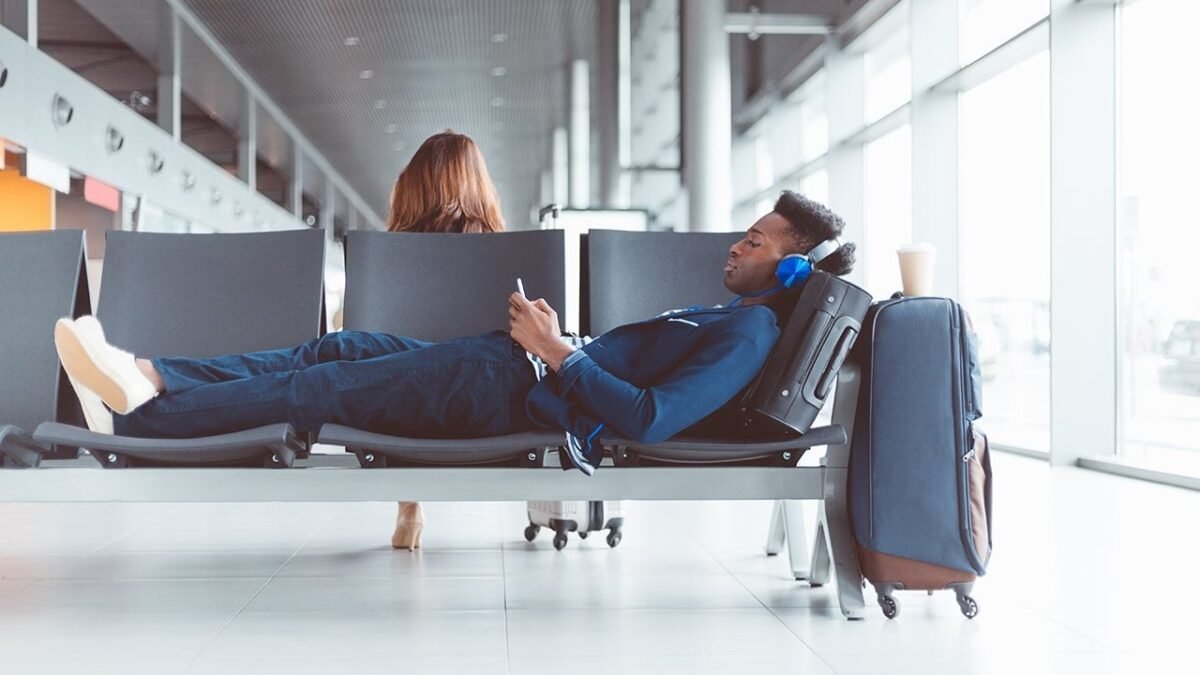
A long gap between flights can feel wasted, yet handled well it becomes found time rather than dead time. Some travellers sleep, some shower and eat properly, and a fortunate few glimpse an extra city. Which option suits you depends on connection length, entry rules, luggage arrangements, and your appetite for risk. A calm decision made before landing beats an improvised dash once the doors open.
Weighing Whether Leaving the Terminal Beats Staying Inside
Start by measuring the gap honestly rather than hopefully. The time printed on a booking is not all usable time, because arrival formalities, walking between terminals, security queues, and boarding well before departure all take their share. A connection that looks generous on paper can shrink quickly once those fixed pieces are removed, and what remains is the only time worth planning around for either choice.
Entry permission is where the whole decision starts. Leaving an airport means entering the country where the connection happens, and that remains subject to the rules of that country, however short the visit. Some travellers pass freely, others need advance permission, and some routings keep passengers airside no matter what they prefer. Checking your own position before departure removes the worst surprise of all, which is discovering the rule at a desk with a queue behind you.
Luggage changes the picture just as much. Bags checked through to a final destination free you to move lightly, while bags that must be collected and carried turn a city trip into a burden and a storage problem. Cabin bags, medication, chargers, and a change of clothes matter too, because whatever you need during the gap must either travel with you or be reachable without opening checked luggage in a public hall.
Treat the longer stop as something worth shaping rather than simply surviving. Reading about long layover adventure planning before you fly turns the gap into a small excursion in its own right, with transport, timing, and a return plan settled while you are still calm at home. That shift in attitude matters, because a stop planned as an excursion gets proper margins, while a stop treated as dead time invites rushed decisions.
Energy deserves a vote as well. A traveller arriving after a short hop in daylight faces a different choice from one stepping off a night flight with heavy eyes and a long onward leg ahead. Hunger, jet lag, travelling companions, and children all tilt the balance. The better answer is whichever option sends you onward rested and ready, rather than whichever sounds most impressive when described later to friends.
Staying Put With Lounges, Food Halls, and Quiet Corners
Staying inside carries real advantages that are easy to underrate. There is no border queue, no unfamiliar transport system, no worry about traffic on the way back, and no clock watching of the anxious kind. For connections of middling length, the terminal itself often offers enough to fill the hours pleasantly, especially at large hubs built with long waits in mind and plenty of seating, food, and space to walk.
A lounge can transform a wait into something close to rest. A stop long enough to make the terminal itself the destination for a few hours is what gives such a space its value, and the layover definition and connection basics explain how a stop sits inside a wider itinerary as a planned pause between flights rather than dead time. Access varies widely, through memberships, ticket types, or paid entry where offered, so check your eligibility before counting on a shower and a quiet chair.
Outside the lounges, a good terminal still feeds and occupies people well. Food halls beat a single rushed sandwich when hours stretch ahead, and a proper meal anchors the wait and helps your body clock. Walking the concourses earns its place too, since movement after hours seated in a cabin loosens stiff legs and makes the next flight easier to tolerate. Many travellers find a rhythm of meal, walk, and rest fills a long stay without strain.
Quiet corners reward a little searching. Gates away from your own departure area are often calmer, chapels and rest zones in some airports offer near silence, and a seat near a window with a view of the apron turns waiting into watching. Keep documents and valuables close, set an alarm if you plan to doze, and stay within easy reach of departure screens so a gate change never becomes a sprint across an unfamiliar building at the worst moment.
Heading Into the City and Returning With Time to Spare
Leaving the terminal suits the traveller with a genuinely long gap, the right entry permission, light luggage, and a city close enough to reach without heroics. Done well, it adds a real place to a journey rather than another row of identical seats. Done badly, it risks the onward flight itself, which is why the return journey deserves as much planning as the outward one, if not more.
Knowing what staying put can offer helps frame the choice. For travellers who stay airside instead, the airport lounge facilities and access overview sets out how those quieter spaces generally work, with seating, food, drinks, and showers away from the main concourse. That framing matters because the onward flight is the fixed point of the day. Everything in the city is optional, while the departure is not, and the plan should be built backwards from boarding time.
Choose a modest target rather than an ambitious list. One neighbourhood, one market, one viewpoint, or one good meal makes a satisfying visit that tolerates delays, while a packed circuit collapses at the first slow train. Some large hub airports operate transit hotels and organised transit tours for passengers with longer connections, and a structured tour removes navigation worries for the nervous, though independent travellers may prefer the freedom of their own route and pace.
Protect the return with deliberate slack. Aim to be back far earlier than feels necessary, keep the route back simple and familiar from the outward trip, and carry the means to pay for a faster option if the planned one fails. Traffic, weather, and queues all drift against the traveller as the day wears on. A city visit that ends with an unhurried coffee inside the terminal counts as a success, while one that ends with running counts as a warning.
Resting Properly When the Connection Runs Overnight
Overnight connections change the question from entertainment to rest. Sleep becomes the priority because the body will demand it eventually, and poor rest colours the following day of travel and the first day after arrival. A traveller who sleeps properly through a long night stop often fares better than one who spends a daylight stop sightseeing and then flies on exhausted.
Transit hotels, where a large hub offers them, answer the overnight problem neatly by placing a real bed close to the gates, sometimes without leaving the secure area at all. That closeness removes transport risk entirely and turns the night into something resembling a normal stop at a hotel. Where no such option exists, a lounge with reclined seating or a quiet rest zone may serve, though neither matches a bed, a door, and darkness.
Sleeping in the open terminal is the fallback many travellers know well. Choose a spot away from bright announcements and heavy foot traffic, keep bags secured against your body or through a strap, and dress in layers because terminals often run cold at night. Set more than one alarm, and place it well before boarding rather than at boarding, so a groggy start still leaves time to reach the gate composed.
Food and light help manage the night sensibly. Eat at a time that suits the destination rather than the departure point where you can, and use daylight or bright light on arrival to nudge your body clock in the right direction. Caffeine late in the stop can steal the sleep you need on the next flight. Small decisions of this kind decide whether an overnight connection feels like a pause or a punishment.
A Recommendation Matched to the Length of Your Stop
Short connections argue for staying put almost every time. When only a few hours separate flights, the terminal is your world, and the best use of that world is food, movement, and rest near your gate. Trying to leave with a short gap trades a manageable wait for a genuine risk of missing the onward flight, and no brief glimpse of a city compensates for a ruined itinerary and a night spent rebooking.
Medium connections reward the comfortable middle course. A lounge if you can use one, a proper meal, a walk, and a settled seat cover the hours well, and a very close, simple outing may tempt confident travellers whose entry position is clear and whose luggage is checked through. Even then, the outing should be small, close, and easy to abandon halfway if queues or transport begin to stretch beyond expectation.
Long daylight connections are where the city earns its place. With entry permission confirmed, bags handled, a single modest target, and a return planned backwards from boarding with generous slack, a few hours outside can become the memory of the whole trip. The discipline lies in leaving early while the visit still feels unfinished, because the flight home matters more than one more street, one more shop, or one more photograph.
Overnight connections belong to sleep, whichever roof provides it. A transit hotel where available, a restful lounge where not, and a carefully chosen quiet corner as the last resort all serve the same goal of arriving functional. Match the choice to the stop you actually have rather than the stop you wish you had, prepare the decision before you land, and the hours between flights stop being a gap in the journey and become part of it.
Keep the plan somewhere you can reach it without unlocking a phone with dying charge, share the outline with anyone travelling with you, and let the decision feel settled rather than debated anew at every departure board along the way.



One comment