
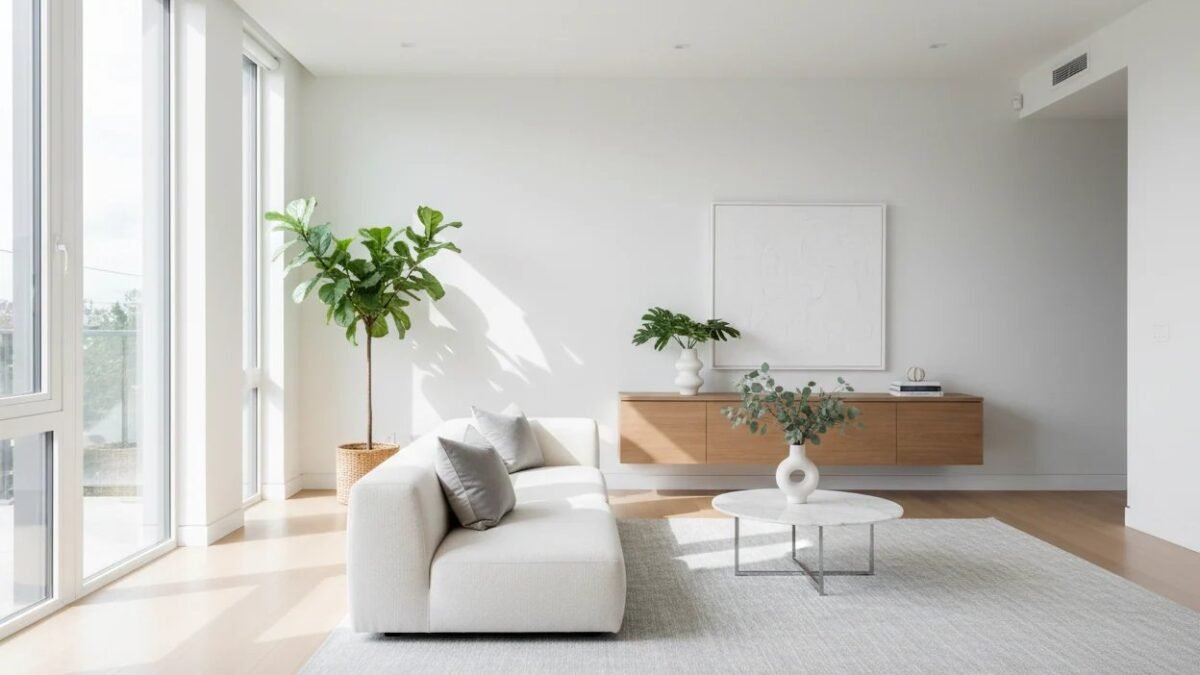
Piles on chairs, drawers that resist closing and shelves crowded with forgotten purchases can make an ordinary home feel quietly exhausting. Minimalism promises relief, yet stark photographs of empty rooms leave many people cold and slightly suspicious. Between hoarding every bargain and discarding nearly everything sits a calmer middle path worth testing. Trying a gentler version for a short season reveals whether fewer possessions genuinely lighten your days or merely rearrange your frustrations.
Phase One Noticing What Your Rooms Are Carrying
The experiment begins with looking, not throwing. Walk through your home slowly, room by room, with a notebook rather than a bin bag, and write down what each space is actually carrying. Count the mugs, if you like, but pay closer attention to the categories: clothes kept for a body or a life you no longer have, hobby equipment from enthusiasms that ended years ago, duplicates bought because the original was buried, and objects kept purely because they were gifts or bargains. Noticing is uncomfortable, and that discomfort is information rather than a verdict on your character.
Open the places the eye normally skips. The drawer that resists closing, the shelf behind the door, the box under the bed, the top of the wardrobe: these are where a home stores its postponed decisions. For each crowded place, ask what the things inside are for, when they last earned their space, and what it costs you to keep them in searching time, cleaning time, and the low background irritation of visual noise. Write the answers down plainly. A household that can describe its clutter honestly has already done the hardest part, because unnamed clutter rules the house while named clutter can be negotiated with.
Finish this phase by choosing the terms of the trial. Pick a length that is long enough to test daily life rather than a tidy weekend: a full season suits most households, since it covers ordinary weeks, visitors, weather changes, and at least one celebration. Decide in advance what success would look like in your own words, perhaps calmer mornings, easier cleaning, or less time spent hunting for things. Agree, if you live with others, that nothing leaves the house permanently during the early phases without discussion. The trial is an experiment, not a purge, and everyone involved should feel that distinction in their bones.
Phase Two Testing Life With Less in One Corner
Now shrink the experiment to a single corner: one room, or even one zone within a room, such as the kitchen worktop, the hallway, or your side of the bedroom. Pack away the surplus from that zone into boxes, label the boxes with their contents and the date, and store them somewhere dry and out of daily sight. Live with the reduced version fully. Cook in the stripped back kitchen, dress from the reduced wardrobe rail, sit in the cleared corner each evening. A small zone gives honest evidence quickly, because you feel both the relief and the friction within days rather than guessing at them.
Keep a short log as the days pass. Note every time you reach for something that is packed away, every time you feel the space working better, and every time the emptiness irritates you. Retrieve from the boxes freely whenever a genuine need appears, and record the retrieval without shame, because a retrieved object has just passed the most honest test there is. Equally, record the objects you never think about at all. After a few weeks the log separates into three clear groups: things in constant use, things missed occasionally and gladly fetched, and things whose absence nobody noticed.
Expect the sorting to spread beyond the chosen corner, because one cleared zone changes how the rest of the house looks and feels by contrast. When it reaches the stored clutter that most homes push out of sight, you will need a method for the biggest, bulkiest zone of all, and the same box, label, and trial logic scales up well to a plan to organize a messy garage safely at home rather than emptying it in a single exhausting weekend. Resist expanding too fast, though. The value of this phase lies in its smallness: one zone, honestly observed, teaches more than a whole house attacked in a burst of enthusiasm and abandoned by the following week.
Phase Three Letting the Trial Reshape Daily Buying
A house fills at the door, so the trial naturally turns next to what comes through it. With your log as evidence, shopping changes from habit to decision. Before buying, ask where the object will live, what it replaces, and whether anything in the packed boxes already does its job. Many purchases quietly die under those three questions, not through deprivation but because the honest answer is that the home is already supplied. Keep a waiting list for things that survive the questions, and let a week pass before acting on it; desire that survives a week is usually real.
This is the territory described by the Wikipedia entry on minimalism as living deliberately with fewer possessions, where the point is not a bare room but attention freed for what matters most to the people living there. Borrow the attention test without importing anyone else’s aesthetic. A keen cook’s kitchen will rightly hold more tools than a reluctant cook’s, and a woodworker’s shelves tell a different story from a reader’s. The trial asks only whether each category of possession is earning its place in your particular life, not whether your home resembles a photograph.
Watch the subtler inflows too: free gifts, offers, inherited objects, packaging kept for returns that never happen, and the spare of everything bought just in case. Set gentle household rules that fit your evidence so far, such as one object in and one out for categories that overflow, or a single shelf as the permanent home for a hobby’s supplies. Rules chosen from your own log feel like design; rules copied from the internet feel like punishment, and punishment never survives contact with an ordinary tired Friday evening.
Phase Four Keeping Abundance Where It Genuinely Belongs
A gentle trial is not a war on plenty. Some abundance is the substance of a good life: a pantry stocked for cooking generously, a shelf of books loved and reread, tools for a craft practised weekly, toys that grandchildren genuinely play with, a table that can stretch for guests. This phase protects those areas deliberately. Walk the house again and name the zones where fullness feels like wealth rather than weight, and exempt them from reduction with a clear conscience. The trial was never about owning little; it was about owning on purpose.
Abundance earns its exemption by being used, shared, or savoured. The preserving pan that works hard every autumn, the board games that come out whenever friends visit, the fabric stash feeding a real sewing practice: these pass easily. What fails the test is abundance that exists only as storage, untouched and unmissed, quietly charging rent in space and attention. Where a beloved collection has outgrown its place, curate rather than cull blindly, keeping the finest and most meaningful pieces visible and letting the duplicates and the merely adequate move on to people who will enjoy them.
Give the kept abundance room to breathe, because even treasured things look like clutter when they are crushed together. A bookcase with space between groups of books, a display shelf holding fewer objects than it could, a pantry arranged so everything can be seen at a glance: breathing room is what separates a collection from a pile. This phase often surprises people, because honouring what stays turns out to matter as much as releasing what goes. A home that keeps its riches well feels generous and calm at once, which is precisely the middle path the stark photographs never show.
Hospitality is a useful measure here, because a home arranged only for display often fails the people it should welcome. Keep the spare chairs reachable, the guest towels plentiful, and the ingredients for an unplanned shared meal somewhere in the house, even if your everyday shelves run leaner than they used to. Generosity needs a little stock behind it. The middle path protects that stock on purpose, distinguishing the fullness that lets you feed, seat, and comfort other people from the fullness that merely fills cupboards nobody opens. When in doubt during this phase, ask whether the abundance serves the household’s real life together or simply its fear of being caught without something someday.
Phase Five Reviewing the Experiment With Honest Eyes
When the season ends, return to the boxes and the log, and hold the review the trial has earned. Open each box with the list of retrievals beside you. Objects fetched and used have argued for their return; objects never missed have argued just as clearly the other way. Decide their future kindly but finally: return, donate, sell, recycle, or discard, household by household member where feelings differ. Avoid the trap of simply re storing everything in a tidier arrangement, because that converts an experiment with a conclusion into a postponement with better labels.
Compare the season against the hopes written down in the first phase. Were mornings calmer, cleaning quicker, tempers shorter or longer around the house? Did anyone feel deprived in ways that mattered, or did the lighter rooms change nothing but the view? Honest disappointment is a perfectly good result: it tells you the heaviness of your home lies elsewhere, perhaps in schedule or noise or unfinished repairs, and possessions were never the true weight. Honest delight is equally useful, because it shows which further zones might repay the same treatment at the same gentle pace.
Traditions covered in the Wikipedia entry on simple living and voluntary restraint in consumption make a useful closing perspective here, since they favour keeping comfort, community, and pleasure fully intact while loosening the grip of accumulation. Whatever you decide, write the outcome down: what stayed reduced, what returned, which buying rules survived, and when you will look again. A trial with a written ending becomes part of how the household runs itself, quietly, long after the boxes have gone. Fewer possessions may or may not lighten your days, but after a season of honest testing you will know, and knowing is worth more than either extreme ever offered.


One comment