Many movie fans pick a television by whichever screen shouts loudest under shop lighting, then wonder why film nights at home feel underwhelming. Panel technology shapes everything from shadow detail to how a sofa full of viewers sees the same scene. Starting with the purchasing errors that cause the most regret makes the underlying technology far easier to judge. Once those traps are clear, the right choice for a dark lounge or a bright family room becomes almost obvious.
Buying by Showroom Brightness Instead of Your Living Room
Retail floors flood screens with harsh light and run every set in a vivid demonstration mode tuned to overpower the television standing beside it. That contest rewards raw brightness and punchy colour, neither of which predicts how a film will look on your wall at night. A panel that wins under ceiling spotlights can look washed out, tiring or oddly artificial once the lamps at home go low. Judge instead by the room where the set will live, noting window direction, evening lighting and how far the seating sits from the screen. If a shop allows it, ask for a standard or cinema picture mode and watch a dark scene rather than a cartoon or a sports clip, because shadow handling exposes weaknesses that bright footage hides.
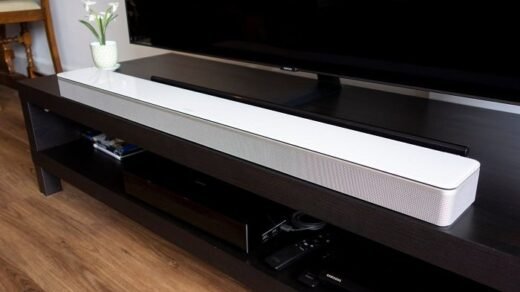
Picture quality only covers half of a film night, so think about sound before the box leaves the shop as well. Thin built in speakers flatten dialogue and drain tension from quiet scenes, which is why many owners soon connect a soundbar for fuller film audio once the new screen settles in. Budgeting for that pairing early prevents the odd result of a glorious picture paired with muffled voices. Bring measurements too, since a panel that overwhelms a small room forces viewers to scan across the picture, while an undersized screen leaves subtitle readers squinting. Brightness still matters, particularly opposite large windows, but it belongs in a list of room based needs rather than at the top as the sole deciding factor. Shoppers who slow down at this stage rarely regret the purchase, because every later comparison rests on how their own evenings actually unfold.
Treating Black Level as a Minor Detail for Film Nights
Films live in shadow. Night streets, candlelit rooms, space scenes and slow thrillers all depend on the difference between true darkness and a murky grey glow. When a panel cannot produce deep black, letterbox bars shine faintly, star fields look dusty and faces emerging from darkness lose their shape. An OLED panel is self emissive, meaning each pixel lights itself and can go completely dark, so black parts of a scene show as genuine darkness rather than a lit shade of grey. Backlit designs work differently, shining light from behind the whole picture and then blocking it, so some light almost always leaks through.
Backlit sets reduce glow around bright objects by dividing the backlight into local dimming zones, yet a zone always covers many pixels at once, unlike the per pixel control of an emissive panel. That is why a bright moon in a night sky can carry a halo on a backlit screen while staying clean and isolated on an emissive one. Neither approach ruins a film, but the gap widens as room light falls, which is exactly when serious movie watching happens. Test any candidate with a scene you know well, ideally one with mixed darkness and small bright highlights, and watch the corners and bars as much as the centre. If the shop refuses a darker demonstration, treat that refusal as information and shop elsewhere. Black level also shapes perceived colour richness, because colours set against real darkness appear deeper without any extra saturation. Buyers who dismiss this as a detail for enthusiasts usually discover, within weeks, that it was the detail their favourite films needed most.
Ignoring Viewing Angles Across a Wide Sofa
A demonstration watched square on, standing alone in an aisle, says little about a family spread across a wide sofa. Liquid crystal panels lose contrast and colour accuracy when viewed from the side, while emissive panels stay consistent across wide seating. The viewer at the end of the sofa may see faded jackets, greyish skin and washed out grass while the person in the middle enjoys a rich picture from the same broadcast. That uneven experience breeds quiet dissatisfaction, because guests rarely complain, they simply stop caring about film night. Consider who sits where in your home, whether chairs angle toward the screen, and whether a kitchen or hallway viewer also watches during cooking or gatherings.
Walk sideways in the shop while a colourful scene plays and note the exact point where the picture starts to thin. Compare candidates at the angle your outermost seat creates, not at some extreme nobody uses. Curved seating, a swivel wall mount or simply choosing a panel that holds its picture off axis can each solve the problem, but only if the problem is noticed before payment. Room layout changes over years too, since sofas get replaced and rooms get rearranged, so generous viewing angles act as insurance for furniture you have not bought yet. Sports gatherings expose weak angles brutally, with a room full of people and only a couple of prime seats. A panel that serves the whole room equally turns those gatherings from a compromise into a pleasure, and it keeps one expensive purchase from quietly favouring a single chair.
Overlooking Burn-In Risk From Static Images
Manufacturers of OLED televisions acknowledge that static elements left on screen for very long periods can leave a faint permanent mark, a risk known as burn-in, and their sets include shifting and refresh routines to reduce it. The honest scale of that risk depends on habits. Varied films, dramas and sports rarely trouble an emissive screen, while the same news banner, game interface or paused image displayed for hours every day raises the odds over years. Channel logos, score bars and video game health meters count as static elements, even when the rest of the picture moves.
Households that mix content, use screen savers and avoid leaving menus paused face a far smaller risk than a screen doubling as a permanent information display. Ask about the protection routines built into any set you consider, such as pixel shifting and panel refresh cycles, and follow the maker guidance on running them. A screen used as a shop display, departure board or all day news monitor belongs to a different category of use, and a backlit panel suits that duty better. For ordinary living rooms, fear of burn-in should inform habits rather than veto a technology outright, especially when the household watches varied material. Know your own patterns honestly, because the family that leaves a music channel logo glowing through every afternoon is making a different purchase from the family that watches two films a week. Matching the panel to real habits, rather than to worst case stories or best case promises, keeps this risk in proportion.
How Each Panel Technology Builds a Picture
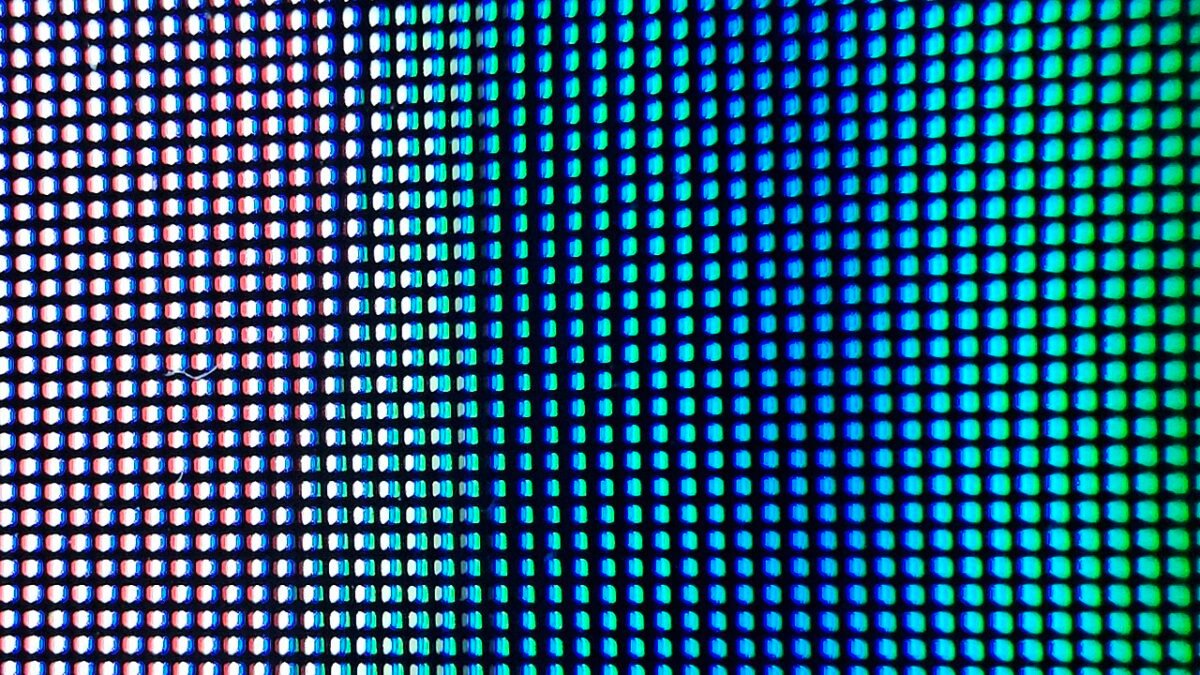
Understanding construction clarifies every earlier trap. An emissive panel creates light at each pixel, so brightness, colour and darkness are controlled at the smallest possible scale, which delivers those true blacks and wide angles. A backlit liquid crystal design separates light production from picture formation, shining a backlight through layers that include a quantum dot film on QLED models and liquid crystals that open or close to shape the image. QLED is a term Samsung uses for televisions that pair a light emitting diode backlight with a quantum dot layer over a liquid crystal panel, so light always begins behind the whole screen and is then filtered. The technical background on OLED screens lays out how that self lit structure differs at the material level, and reading it makes showroom claims easier to test.
Local dimming narrows the gap by darkening zones behind shadowed areas and boosting zones behind highlights, and sets with many zones handle mixed scenes far better than sets with only a few. Response behaviour differs as well, with emissive pixels changing state almost instantly, which keeps fast motion clean, while liquid crystal designs rely on processing to smooth movement. Brightness ceilings favour backlit designs, which can push light hard enough to fight sunshine in a glass heavy room. Neither family is universally superior, because each trades strengths honestly. The emissive route prizes darkness, angle and motion, while the backlit route prizes brightness, size for the price and freedom from burn-in worry. Knowing which trade your household is making turns a confusing model name into a clear eyed decision.
Matching Panel Choice to Dark Rooms and Sunlit Spaces
A dedicated movie room, a lounge used mainly after dark, or any space with controlled lighting rewards the emissive strengths fully. Films gain their darkness, wide seating stays honest, and brightness limits barely register when the room itself is dim. Households in that setting who watch varied content can buy emissive with confidence and sensible habits. A bright family room tells another story, with sunlight across the floor, children watching cartoons at noon and sport filling weekend afternoons. There, a strong backlit set with effective local dimming and a good anti glare finish often serves better, holding colour and visibility while the sun does its worst.
The explanation of quantum dot display technology shows why those backlit models reach such vivid brightness, since the dot layer converts light into exceptionally pure colours. Mixed households should weigh the dominant use rather than the occasional one, because a set bought for rare film nights but used daily in sunshine will disappoint daily. Curtains, blinds and seating position can shift the balance too, and solving glare with a simple blind sometimes unlocks the darker panel as a valid choice. Decide the room first, the habits second and the badge last. Shoppers who reverse that order chase demonstrations and discounts, while shoppers who follow it bring home a screen that suits their evenings for years, with a picture that still feels right long after the showroom memory fades.