A tall glass that tastes like dessert yet leaves your stomach growling before midmorning has failed at its only job. Blends go wrong in predictable places, and each weak spot has a plain repair. Rebuild the glass around staying power and breakfast starts behaving like an actual meal. None of the repairs ask for exotic powders or a new blender. They ask you to notice what a fruit heavy blend is missing, add it back in ordinary form, and treat sweetness and texture as decisions rather than accidents.
Why Fruit Alone Leaves You Hungry Again So Soon
Fruit brings flavour, colour, and useful nutrients, yet on its own it digests quickly. Blend a banana with berries and a splash of juice and you have mostly natural sugars and water, passing through the stomach at a pace that explains the hunger returning well before lunch. The fault is not fruit itself but the empty seats beside it: nothing in the glass asks the body to slow down, break down, and work for a while. Readers who enjoy spotting drink errors will also recognise the pattern in southern sweet tea mistakes worth learning from, where one careless habit quietly decides the whole glass before anyone tastes it.
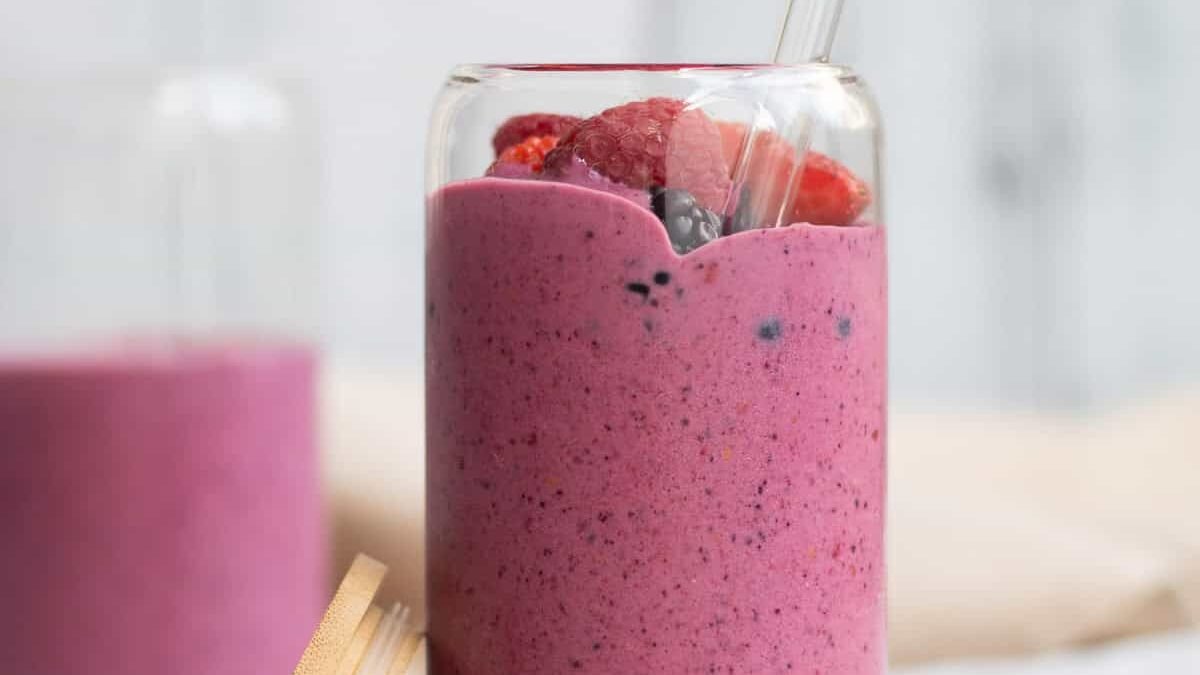
Repair the base first. Swap the juice pour for milk or an unsweetened plant drink, keep the fruit for flavour and body, and then build the three anchors the rest of the sections cover: a real protein source, a spoonful of fat rich food, and a fibre source with some substance. That trio changes the speed of the whole meal. Digestion stretches out, energy arrives in a steadier stream, and the same size glass starts carrying you toward lunch instead of abandoning you at your desk an hour later, eyeing the snack drawer.
Protein Anchors That Turn a Drink Into Breakfast
The first fault is a blend with almost no protein, and the repair is the simplest on the list. A satisfying glass usually carries roughly twenty grams of protein, an amount that sounds technical until you translate it into groceries: a generous scoop of strained yogurt, a portion of silken tofu, a spoonful of nut butter backed by milk, or cottage cheese blended until it disappears. Each option brings its own character. Yogurt adds tang and thickness, tofu stays neutral and lets fruit lead, and nut butters bring protein bundled with fat, covering two anchors in a single ingredient.
Protein powder works, though it is an option rather than a requirement, and it rewards a careful hand. A full scoop can dominate a delicate berry blend and leave a chalky finish if the liquid runs short, so start with less than the tub suggests and add fruit with real presence, like mango or ripe banana, to keep flavour in charge. Taste before serving and adjust with a little more milk if the texture turns pasty. The deeper point stands either way: a drink becomes breakfast when something in it counts as food in the fuller sense, and protein is the clearest marker of that change. Pair it with the anchors from the basic anatomy of a smoothie, fruit, liquid, and something substantial, and the structure holds.
Fat and Fibre Choices That Stretch Fullness for Hours
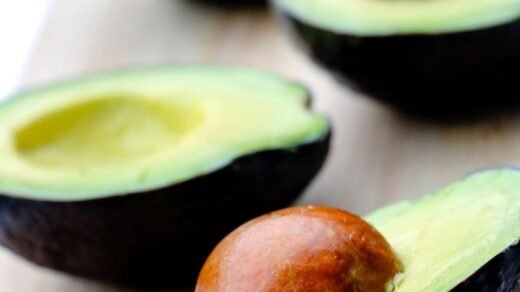
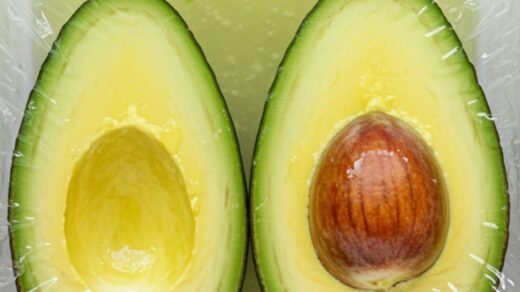
Fat is the second missing piece in most disappointing blends. A spoonful of peanut or almond butter, a wedge of avocado, or a small handful of walnuts slows the stomach down and rounds the flavour out, so the drink tastes like food rather than flavoured water. Avocado deserves its reputation here, because it thickens a blend to a near pudding body while its taste hides behind berries, cocoa, or mango. Ground seeds do similar quiet work. Chia and flax thicken as they sit in liquid, which is why a blend left standing for a few minutes pours more slowly than one served at once.
Fibre is the third anchor, and the one juice based blends lose entirely. Whole fruit keeps its fibre while juice leaves it behind, and additions like rolled oats, chia, flax, and leafy greens push the total higher still. A solid handful of fibre across the glass gives digestion something to work through gradually, feeding the slow release that keeps hunger quiet. Anyone wanting the underlying reasons can read through why dietary fiber slows digestion down and see how it interacts with the stomach and gut. In practice, oats are the easiest upgrade: they blend smoothly, cost little, and suit banana, berry, and spiced blends alike without announcing themselves.
Watch the balance between the anchors, because more is not always better. Doubling every rich addition turns breakfast into a heavy pour that sits uncomfortably and may crowd out appetite for lunch entirely. One protein anchor, one fat source, and one fibre source, each in a sensible portion, is the combination that repeats well day after day. If hunger still returns early, adjust a single element at a time, a little more yogurt or another spoon of oats, so you learn which lever actually fixes your morning rather than changing everything at once.
Sweetness Traps Hiding Inside an Innocent Looking Glass
Sweetness creeps in through respectable doors. Juice as the base is the biggest, delivering plenty of sugar while bringing almost no fibre, so the blend lands like a soft drink wearing a healthier outfit. Sweetened plant drinks, flavoured yogurts, and a generous squeeze of honey or syrup each add their own layer, and together they can push a breakfast glass past dessert territory while the fruit on the counter takes the blame. Taste a blend before sweetening it at all. Ripe fruit, especially banana and mango, sweetens thoroughly on its own, and a pinch of salt or a squeeze of citrus often wakes flavour up more honestly than sugar does.
Dates and dried fruit need the same clear eyed treatment. They are whole foods, and they also concentrate sugar into small, easy handfuls, so three or four can sweeten a blend for a crowd rather than one person. Use them deliberately, counted, not tipped from the bag. Frozen fruit helps on this front as well, because it thickens the drink without watering it down the way extra ice does, and unsweetened frozen blends keep the sweetness exactly where the fruit put it. The repair, in short, is awareness: know every sweet thing entering the blender, and let at least one of them leave.
Labels repay a sceptical read, because the front of a carton promises health while the side panel tells the truth. A plant drink can be unsweetened or can carry as much added sugar as a fizzy drink, and flavoured yogurts vary enormously between brands that look near identical on the shelf. Compare two or three labels once, pick your regulars, and the decision disappears from future shopping trips. The same applies to nut butters: versions built on nuts and a little salt behave very differently from spreads where sugar and oils arrive early in the ingredient list, and your blend feels that difference in how long it keeps you full.
Blending Habits That Protect Texture and Flavour
Order inside the jug changes the result more than most people expect. Start with the liquid as the base, follow with softer items, and finish with the frozen pieces resting on top, so the blades catch and pull everything downward instead of spinning in an air pocket. Leafy greens deserve their own moment at the start: blend them with the liquid alone until the mixture looks evenly green, and the finished drink stays smooth rather than flecked with chewy bits that lodge in the straw. That single habit rescues green blends for people who gave up on them after one gritty glass.
Pace matters after blending, not just during it. Fullness signals from the stomach take a while to register, so a blend gulped in minutes can leave you feeling oddly empty even when its contents were substantial, while the same glass taken slowly lets the message arrive. Make blends thick enough to slow you down naturally. Frozen fruit rather than ice, strained yogurt, and those spoonfuls of oats or chia all push the texture toward something you linger over. Blend long enough to be genuinely smooth, but stop before a small machine heats the mixture and dulls the fruit, and serve at once, since blends separate and lose their bright flavour as they sit.
Bowl Versions and Child Friendly Twists Worth Keeping
Pour less liquid into the same formula and the blend turns spoonable, which solves the pacing problem by design. A bowl takes time to eat, toppings add chew and contrast, and the meal feels like an occasion rather than a drink grabbed on the way out. Granola, sliced fruit, whole berries, coconut, plus a thin drizzle of warmed nut butter all earn their place on top, partly for texture and partly because they add fibre and fat where the bowl itself runs lean. Keep toppings in sensible handfuls so the bowl stays breakfast rather than becoming a sundae in disguise.
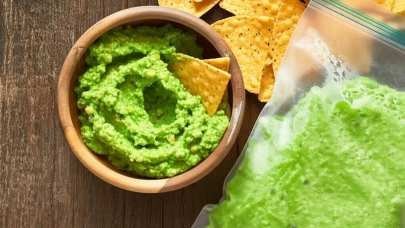
Prep can carry the habit through a busy week. Portion fruit, greens, oats, and seeds into bags or boxes ahead of time, store them in the freezer, and a morning blend becomes a matter of adding liquid and a protein anchor rather than assembling ingredients while half awake. Overripe bananas, berries softening in their punnet, and greens approaching their limit all freeze well for this purpose, so the prep habit quietly cuts waste too. Rinse fresh produce before it goes into bags, dry greens so they do not freeze into a solid clump, and keep the bags flat so several mornings worth stack in a small space.
Children judge blends by colour, sweetness, and texture long before nutrition enters the argument, so build around that honesty. Berry heavy blends hide a handful of spinach almost completely, banana and vanilla yogurt keep flavours familiar, and a frozen blend poured into moulds becomes an afternoon treat with real staying power. Let children pick the fruit and run the blender button, because involvement makes them far likelier to finish the glass. Keep the same anchors in place for small appetites, scaled down: yogurt or nut butter for protein, seeds or avocado for fat, oats for fibre. A blend built that way, for any age, finally does the one job it was hired for, and breakfast stops needing a rescue snack before the morning is half over.