

Few party trays empty faster than a plate of deviled eggs, yet the whole batch hinges on one unglamorous skill: peeling boiled eggs without tearing the whites. Nail the peel and a smooth, pipeable filling, and the variations become the easy part. What separates a polished egg from a ragged one is rarely the garnish. Clean whites with no nicks, yolks cooked until just set with no grey ring, and a filling that tastes bright rather than bland do nearly all of the work. Once those basics hold steady, seasoning, piping, and timing fall into place, and a cook can produce a tray that looks deliberate instead of hurried.
Peeling Eggs Cleanly for Deviled Eggs
Start the eggs in water that is already boiling. Lower them in gently with a spoon, one by one, so shells do not crack against the pot. Beginning with hot water rather than cold helps the white set quickly and pull away from the inner membrane, which is the thin layer responsible for most stubborn peels. Let the eggs sit at room temperature briefly before cooking if they come straight from a cold refrigerator, since a sharp temperature jump can split a shell and leak white into the water.
Age matters as well. Eggs that have rested in the refrigerator for several days peel more willingly than very fresh ones, because the white grows slightly less acidic over time and clings less tightly to the membrane. For a party batch, buying eggs ahead of time is therefore a practical step, not an afterthought. Keep the water at a steady boil for the cooking period, long enough for yolks to set fully while staying yellow and tender, then move the eggs at once into a bowl of ice water. That sudden chill halts any further cooking and helps the shell separate as the egg contracts slightly inside it.
Peel once the eggs feel cold through the shell. Tap each egg all over to crackle the surface, roll it lightly under your palm, and begin at the wider end, where an air pocket usually sits and gives the membrane a starting point to lift. Peeling under a thin stream of water washes away small shell fragments and lets water slip beneath the membrane. Work patiently around the curve, taking the membrane with the shell, and set any slightly torn white aside for chopping into salads rather than filling, so the serving tray holds only the clean halves.
Classic Deviled Egg Filling With Balanced Tang
Halve each peeled egg lengthwise and lift the yolks into a mixing bowl, keeping the whites in neat pairs on a tray. Mash the yolks thoroughly before adding anything wet, breaking down lumps while they are dry and easy to crush. For the smoothest result, press the yolks through a fine sieve with the back of a spoon, a short step that produces a notably silky base. Stir in mayonnaise until the mixture turns creamy, then add yellow or Dijon mustard for sharpness, a small splash of vinegar or pickle brine for brightness, and salt and black pepper in measured amounts.
Balance is the goal. Mayonnaise alone tastes flat and heavy, mustard alone turns harsh, and acid alone feels thin, yet together in the right proportions they give a filling that tastes lively against the mild white. Add liquid gradually, because a filling that begins too loose cannot be tightened easily, while a thick filling accepts another spoonful of mayonnaise without trouble. Advice on seasoning food properly to taste applies directly here: season in small additions, taste after each one, and remember that chilling dulls flavor slightly, so a filling that tastes bold at room temperature will taste balanced once cold.
A final dusting of paprika over the finished eggs adds color and a whisper of warmth without changing the filling itself. Some cooks prefer smoked paprika for a deeper note, others the sweet kind for a milder finish, and either suits the classic version. Keep the base batch straightforward before dividing it for variations, since a clean, well seasoned foundation makes every later addition taste clearer. If the mixture sits before piping, cover its surface closely so the top does not dry or darken, and give it a thorough stir before it goes into the bag.
Piping or Spooning Deviled Egg Filling Neatly
Piping gives the neatest finish with the least handling. Spoon the filling into a sturdy bag, push it toward one corner, twist the bag closed above the mixture, and snip the corner to open a modest hole. Hold the bag at an angle above each white and squeeze steadily, building a rounded mound that rises slightly above the rim, then stop and lift with a small flick to leave a tidy peak.
Spooning works perfectly well when neatness comes from patience rather than tools. Use two small spoons, one to scoop and one to push the filling off into the cavity, and shape each mound with the back of the spoon. Wipe the spoon often, because stray smears on the white are the main difference between a homemade look and a polished one. Fill only as many whites as the tray will hold, arranging them closely so they support one another and do not slide.
Whatever method you choose, filling the whites close to serving keeps edges fresh. Whites filled too early can dry at the surface or crack as they sit, especially in a cold refrigerator with circulating air. If time demands early assembly, cover the tray closely and keep it chilled, then add paprika and any delicate garnish at the last moment so colors stay bright. Carry the tray flat, with a damp paper towel laid beneath the eggs to grip the surface and prevent sliding while the car moves or the tray crosses a room.
Seven Deviled Egg Variations Worth Trying
With the classic base secure, small changes in seasoning and topping create distinct eggs without altering the method. The seven versions below stay within the same filling framework, so a cook can divide one batch of yolk mixture into bowls and finish each portion differently. Background on the long history of the deviled egg, traced on Wikipedia, shows that stuffed eggs have welcomed varied seasonings for centuries, and modern cooks are simply continuing that habit with pantry ingredients.
Variation one pairs crisp bacon with finely chopped pickled jalapeno folded through the filling, finished with a tiny upright piece of bacon so guests can spot the heat before biting. Variation two leans in a cooler direction, topping each egg with a small curl of smoked salmon, a frond of dill, and a single caper for a salty pop. Variation three borrows from wing night, blending a dash of cayenne pepper sauce into the yolks and crowning each half with crumbled blue cheese and a small piece of celery leaf.
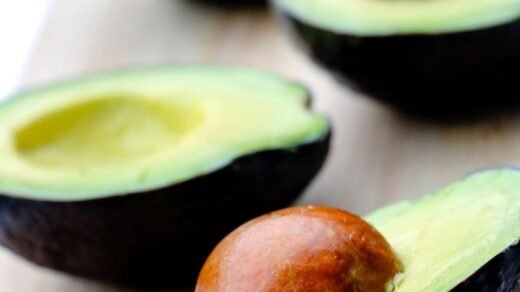
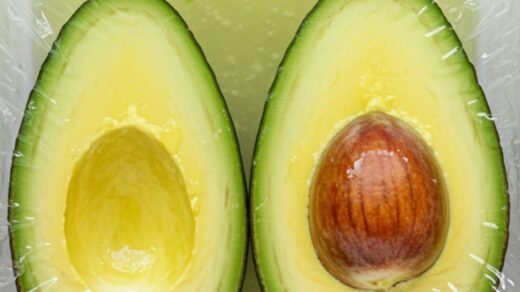
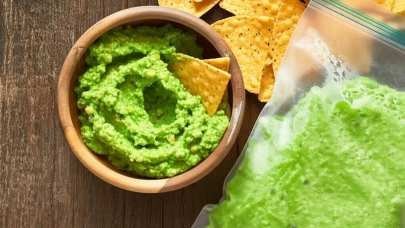
Variation four replaces part of the mayonnaise with ripe mashed avocado and a squeeze of lime, giving a pale green filling that should be served soon after mixing so the color stays fresh. Variation five stirs in curry powder until the filling turns golden, then adds a pinch of toasted coconut or chopped cilantro on top for contrast. Variation six keeps the classic filling untouched and relies on a generous sprinkle of everything bagel seasoning, with a snipped piece of chive laid across each mound. Variation seven swirls a little chili sauce into the yolks and finishes with the smallest drizzle of honey and a scattering of sesame seeds, balancing heat with a gentle sweetness.
Making Deviled Eggs Ahead and Serving Them Safely
Advance work suits deviled eggs, provided each stage stays cold. Hard cooked eggs still in their shells keep for one week in the refrigerator, so the cooking and peeling can happen well before a gathering. Once filled, the eggs taste best within one to two days, and their texture suffers if they wait much longer. A reliable pattern is to cook and peel a day ahead, mix the filling and store it covered, then pipe and garnish within a few hours of serving.
At the table, time and temperature set firm limits. Filled eggs should sit out for no longer than two hours at a party, and that window shrinks to one hour when the surroundings are hotter than ninety degrees Fahrenheit, such as an outdoor summer event. Nesting the tray over a shallow pan of ice extends safe serving time and keeps the filling pleasantly cold. Guidance in the egg safety advice published by the Food and Drug Administration reinforces the same habits: keep eggs refrigerated, handle them with clean hands and tools, and discard leftovers that have stood out too long rather than returning them to the refrigerator.
Transport rewards a little planning. Move whites and filling separately when the journey is long, piping on arrival for the freshest look, or carry the finished tray tightly covered on a flat surface with that damp towel beneath the eggs. Leftovers that stayed properly chilled can be eaten the following day, though the whites may firm slightly and the garnish will lose its crispness.
Can deviled eggs be kept in the freezer for a later party?
Freezing filled eggs disappoints. The whites turn rubbery and release water as they thaw, and a mayonnaise based filling can separate into a grainy texture. Cooked yolks alone freeze more acceptably, yet for a party tray the better plan is refrigeration and prompt serving, making only as many eggs as the gathering will finish within a day or two.
Why do some yolks develop a grey green ring?
That dull ring forms when eggs cook too long or cool too slowly, allowing a reaction between sulfur in the white and iron in the yolk at the surface where they meet. Shortening the boil to the point where yolks are just set, then chilling the eggs promptly in ice water, keeps the centers bright yellow and the flavor mild rather than sulfurous.
What can stand in for mayonnaise in the filling?
Thick Greek yogurt gives tang and body with a leaner taste, though it benefits from a small drizzle of olive oil to restore richness. Mashed avocado works for part of the quantity, and a spoonful of sour cream adds smoothness with gentle acidity. Any swap changes the flavor balance, so season again after mixing and add mustard or brine a little at a time.
How can filled eggs be stopped from tipping on a flat plate?
Slice the thinnest possible sliver from the rounded underside of each white so it sits level, taking care not to cut through into the cavity. A tray with shallow wells solves the problem without trimming, and a damp towel or a bed of soft lettuce leaves under the eggs also limits rocking and sliding during serving and travel.
One comment