
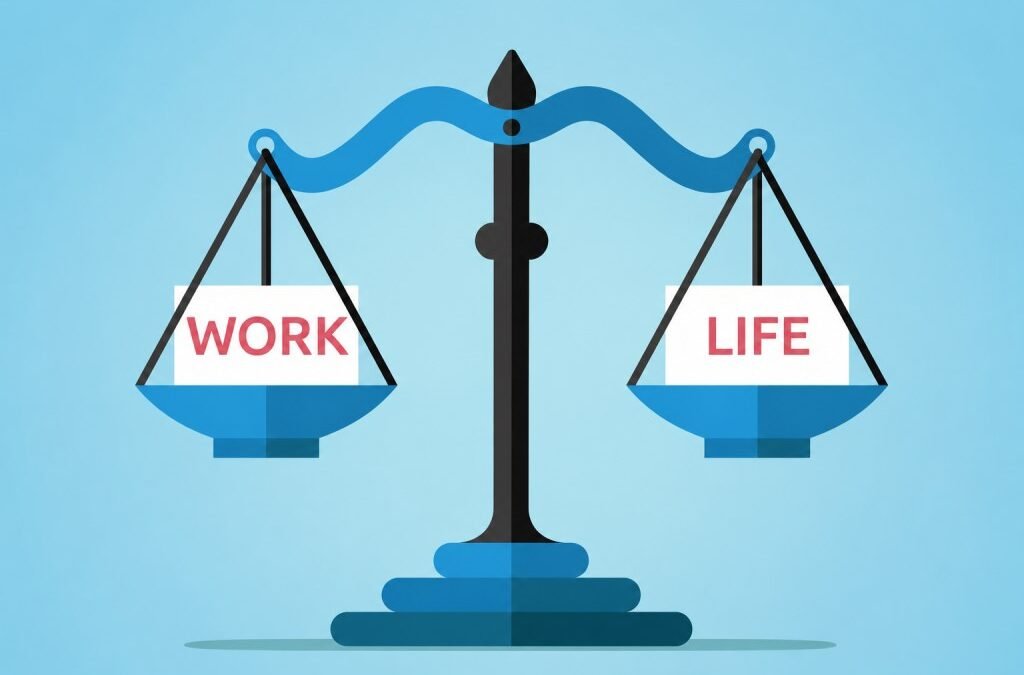
Building a business while holding down a job can swallow every spare evening until rest feels like another task to schedule. The pressure rarely arrives as one dramatic collapse; it creeps in through late dinners, skipped exercise and messages answered at midnight. Protecting a personal life during the building years is not softness. Clear stopping times, honest conversations at home and planned recovery keep energy steady enough for both the venture and the people waiting beyond it.
Mistake Patterns That Quietly Wreck Evenings
Certain habits destroy home time while looking like dedication. Answering client messages during dinner teaches everyone, clients included, that no hour is protected. Checking sales figures in bed turns rest into a performance review. Promising family a free weekend and then quietly filling it with catch up admin breaks trust more deeply than honestly booking one working Saturday would have done.
Another pattern is treating the day job as the only structured part of life while the venture expands to fill whatever remains. Without a planned shape, business tasks sprawl: a quick email becomes an hour of invoicing, which becomes late night worrying about a supplier. The wider question of how anyone can balance work and personal life better over the long term sits behind these nightly skirmishes, because balance rarely fails through one huge decision. It erodes through dozens of small surrenders nobody consciously chose.
Perfectionism adds a hidden tax. Rewriting a product description for the fourth time at midnight rarely changes sales, yet it reliably steals sleep. Good enough work published on schedule, inside agreed hours, protects both the venture and the household far better than flawless work produced through exhaustion.
Notification settings quietly shape many of these evenings. A phone that buzzes for every order update, supplier advert, and social mention trains the brain to stay on duty long after work was meant to end. Turning off all but genuinely urgent alerts after a chosen hour, and letting clients know that messages received overnight get answered the next working morning, removes dozens of tiny interruptions without reducing real responsiveness. Most customers respect stated response times readily. What frays households is unpredictability, the sense that any shared moment might be interrupted by a screen lighting up on the table between them.
When Every Hour Belongs to the Business
The trap deepens when the venture starts working, because early success rewards the very overwork that cannot be sustained. A busy week feels like proof that longer hours equal growth, so evenings, weekends, and holidays get pledged to the next milestone. Months later the milestone has moved, the hours have not shrunk, and home life has quietly reorganised itself around an absence.
Put simply on Wikipedia, work life balance is the equilibrium a person seeks between professional responsibilities and personal life, and the overview of work life balance and its pressures shows how that equilibrium tilts when one side can always argue urgency. Business demands arrive with deadlines and invoices attached. Rest, family time, and friendship rarely send reminders, so they lose every unplanned contest unless someone deliberately defends them.
Identity plays a part too. When the venture becomes the only interesting answer to what you do, stepping away feels like stepping back. Hobbies, old friends, and plain idleness start to look like distractions rather than the parts of life the income was meant to support. Naming that drift early makes correction far less painful.
Learning to decline work politely belongs in this section of life as well. Every yes to a rush order, an extra client, or a favour priced in exhaustion is also a no spoken to sleep, family, or health, whether or not anyone phrases it that way. A waiting list, a later start date, or a smaller version of the request lets you honour limits without slamming doors. Customers who rage at a reasonable boundary were purchasing your depletion, not your skill, and losing them early costs far less than collapsing midway through a season of promises nobody could sustainably keep.
Recovery Habits That Actually Restore Energy
Recovery is not the same as collapse. An evening spent numb on a sofa while scrolling messages about work leaves most people oddly tired, because the mind never left the business. Rest that restores tends to be chosen, bounded, and different in character from the working day: a walk without headphones, cooking a proper meal, sport, music, or time with people who talk about anything except your venture.
Sleep anchors everything else. Sleep material from the Centers for Disease Control and Prevention links poor sleep with reduced performance and several chronic conditions, which means the midnight admin session borrows energy from tomorrow at a steep rate of interest. A fixed lights out time, a phone charging outside the bedroom, and a short written list that parks unfinished tasks until morning all defend sleep better than willpower alone.
Small daily recovery beats occasional grand escapes. A fortnight of holiday cannot repay months of depleted evenings, and returning to the same pattern wastes its benefit within weeks. Twenty unhurried minutes of genuine switching off each day, plus one fuller rest day most weeks, rebuilds steadiness that a single break never can.
Travel and transition time need defending too, since a commute spent answering supplier calls arrives home with the body but not the attention. Use the journey as a deliberate gear change: no business calls during the final stretch, a familiar playlist or radio programme instead, and a minute outside the front door to set work down mentally before walking in. Households feel that small ritual immediately. Children and partners learn that the person entering is available, not merely present, and evenings start from connection rather than from a distracted debrief nobody requested.
Boundaries Partners and Family Can Rely On
Boundaries work when other people can predict them. A vague promise to work less collapses at the first urgent email. A stated finishing time, kept on ordinary days and renegotiated openly on exceptional ones, lets a partner plan dinner, lets children know when a parent becomes fully available, and lets friends stop guessing whether an invitation is welcome.
Agree the boundary together rather than announcing it. Households absorb real costs during the building years: a partners patience with a distracted presence at home, grandparents covering extra childcare, shared money carried into stock or equipment. Those contributions deserve a voice in how hours are set, what the venture is aiming toward, and when the experiment gets reviewed if the promised balance never arrives.
Physical signals help words hold. A closed office door, a laptop shut and shelved, a phone left in another room during meals: such small rituals mark the border between employer and family member more clearly than repeated apologies after interruptions. When a genuine emergency breaks the boundary, acknowledge the break, name why it qualified, and restore the usual pattern the next day instead of letting the exception become the schedule.
Friendships need the same deliberate protection as family time, and they usually fade first because friends politely stop asking. Keep a standing arrangement that survives busy weeks: a regular breakfast, a sports fixture, a call on the drive home on a set day. Low effort rituals outlast ambitious plans requiring fresh organisation each time. Friends also return a version of yourself that existed before the venture, which matters more than it sounds. Conversations untouched by pricing, suppliers, or algorithms remind a stretched founder that identity is wider than a trading name, and that perspective often untangles a business worry faster than another hour of staring at it.
Weekly Planning That Protects Personal Time
Protection happens on paper before it happens in life. Plan the week in one sitting, entering personal commitments first: family meals that matter, exercise sessions, a friends gathering, an evening kept entirely clear. Business tasks then fill the space that genuinely remains, which forces honest choices about capacity instead of magical thinking about somehow fitting everything in.
Batch the venture into defined blocks. Admin on two evenings, making or packing on another, planning on a weekend morning, for example, with a hard stop attached to each block. Tasks expand to fill open ended time; a block with a known end encourages starting promptly and finishing without drift. Keep one buffer slot unscheduled so urgent work lands there rather than invading protected evenings by default.
Review the plan briefly each week with the household. What worked, what got overrun, and what needs moving? That modest ritual turns balance from a private guilt into a shared project, and adjustments happen while they are still small.
Warning Signs That Demand a Bigger Change
Some signals mean scheduling tweaks are no longer enough. Dreading both the day job and the venture, snapping at family over minor interruptions, relying on stimulants to start and sedatives to stop, losing interest in everything outside work, or feeling exhausted after rest all point toward a deeper problem. Physical symptoms that persist, such as headaches, broken sleep, or a racing mind at rest, deserve medical attention rather than another productivity method.
Burnout is recognised by the World Health Organization as an occupational phenomenon in its international classification, described as resulting from chronic workplace stress that has not been successfully managed, and the fuller account of occupational burnout and its symptoms shows why willpower speeches fail once exhaustion, detachment, and reduced effectiveness settle in together. At that stage the honest options are larger: pausing the venture, cutting its scope back to one product or service, hiring help earlier than planned, extending timelines, or deciding the day job and home life matter more than this particular business.
Choosing a smaller venture is not failure. A business that fits inside a sustainable week can grow slowly for years. One that consumes the person running it usually ends suddenly, taking health and relationships with it. Protecting personal life is therefore not a reward saved for after success. It is the condition that makes lasting success possible at all.
Hold a short review every few months and judge the venture by agreed measures written down while calm: income earned, hours consumed, effect on health, effect on home. Promises made at the hopeful start deserve testing against lived reality. If the figures and the household both say the current shape cannot continue, believe them early, reshape the workload with the same creativity used to build it, and remember that stepping back from an unsustainable pace is a business decision, not a character verdict.


One comment