Dinner decisions drain more energy than cooking itself, and a planner that drafts the week plus the shopping list attacks exactly that daily friction. The promise sounds simple, yet first attempts often disappoint, not because the software is weak but because the household handed it almost nothing to work with. A planner reasons from whatever you give it, so the quality of your week on a plate is decided before generation begins, in the honesty of your inputs and the precision of your request. Work through the checklists in order and a first timer can reach a calm, repeatable routine within a couple of weeks.
Keep one caution in view from the start: a planner is a logistics partner, not a clinician and not a chef who knows your kitchen. It will happily build a beautiful week around ingredients you hate, equipment you do not own, and evenings when nobody is home. Households already wrestling with meal planning for picky eaters will recognise the pattern, since narrow tastes and firm dislikes demand even clearer instructions. Your job is supplying reality. The software returns structure, variety, and a list you can shop from without wandering the aisles hoping inspiration strikes somewhere near the pasta.
Inputs to Gather Before Generating Anything
Tick through the household facts first and write them down where you can reuse them: how many people eat each meal; who is actually home on which evenings; the weekly spending ceiling you can live with; cooking confidence, honestly graded; the equipment genuinely available, from a slow cooker to a single tired frying pan; and the longest you will spend cooking on a work night before resentment sets in. Add the standing likes and dislikes of everyone at the table, because a plan built around food people quietly push around the plate is a plan that collapses by Wednesday.
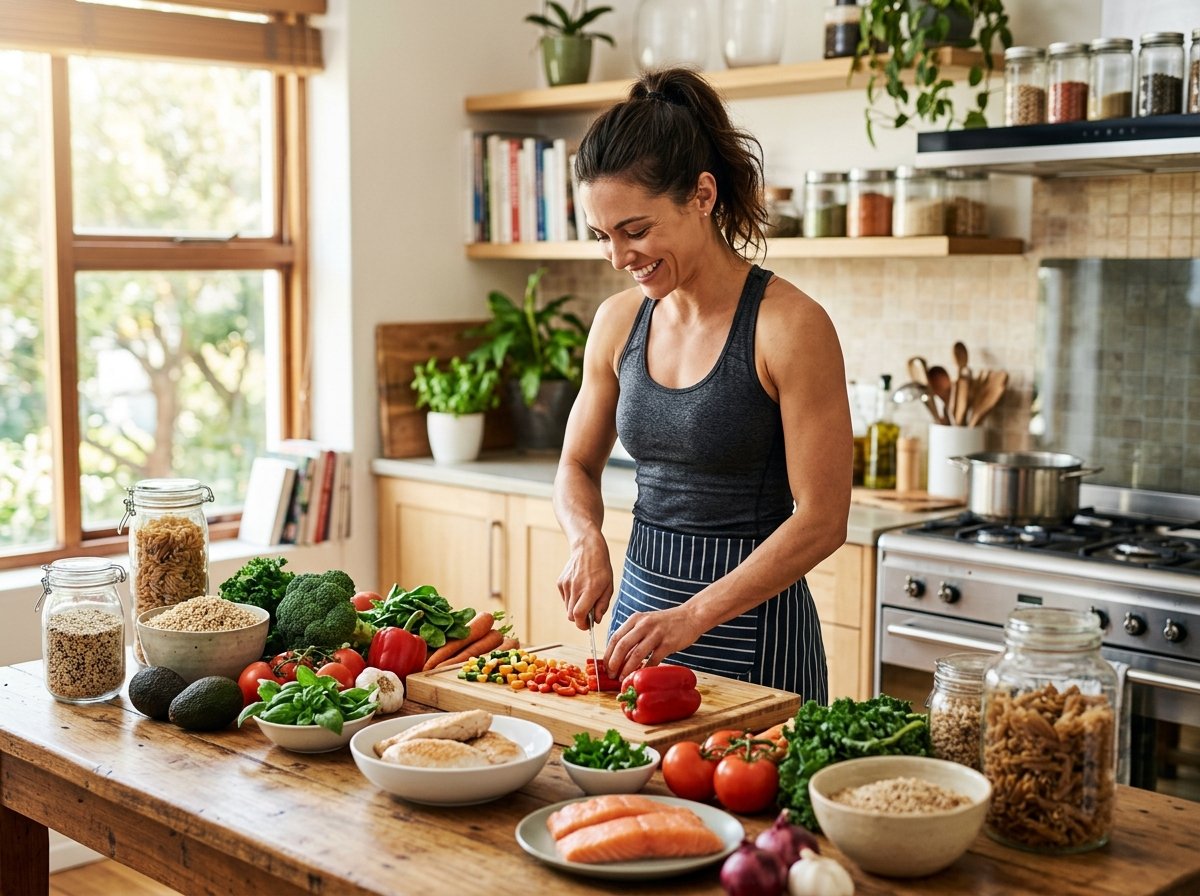
Then inventory what you already own. List the pantry staples, the freezer residents, the half used jars in the fridge door, and the fresh items nearing the end of their welcome. Handing that inventory to the planner prevents the classic first timer outcome where every recipe demands a dozen new purchases while perfectly good food at home edges toward the bin. Note also the rhythm of your week: the late meeting night, the training evening, the afternoon when shopping actually happens. A plan that ignores the calendar produces heroic Sunday intentions and a takeaway by Tuesday, whereas a plan shaped around real evenings stands a fighting chance of being cooked.
Ingredients of a Prompt That Returns a Usable Week
A workable request reads like a briefing rather than a wish. State the number of dinners required and for how many people, the ceiling for the week, the time limit per dish on busy nights, and any nutrition aim you care about, such as protein rich evenings or lighter meals after heavy weekends. Name the restrictions in full, name the ingredients already at home that should be used first, and ask for the shopping list grouped by store section so the trip flows in one pass. Readers new to a general introduction to meal preparation methods will find that the planning mindset matters more than any particular application.
Compare the results of a vague plea for healthy dinners with a briefing built as described, and the difference is not subtle. The vague version returns attractive fantasies: unfamiliar techniques, long ingredient lists, and no regard for your Tuesday. The briefed version returns food you can actually cook, costed against your ceiling and sequenced so perishables get used while they are still worth eating. Save the winning wording as a reusable template, changing only the seasonal notes and the pantry inventory each week. That template, refined over a month, becomes the engine of the whole system, and improving it pays better than hunting for a cleverer tool.
Safety Checks for Allergies and Medical Needs
Run the safety pass before admiring the menu, every single week, because planners make confident mistakes in exactly the places where mistakes carry weight. Check each recipe against every known allergen in the household, reading ingredient lines rather than trusting the plan summary, and stay alert to hidden carriers inside sauces, marinades, spice blends, stock cubes, and prepared items where allergens travel under friendly names. When a diner lives with a serious allergy, treat the planner output as a rough draft that a careful human audits line by line, and keep the final say with the people who understand the condition.
Medical eating patterns deserve the same firm boundary. Conditions affecting the heart, kidneys, or blood sugar, along with pregnancy and feeding young children on restricted patterns, belong under professional supervision, with the planner used for ideas and logistics only. Treat every nutrition figure the software offers as an estimate suitable for general awareness, never as a measurement to dose or restrict by. For balanced proportions to request in the first place, the federal nutrition resources and guidance pages describe how a plate can be shared across food groups in a way that suits most healthy adults. Build those proportions into your template, keep the professional conversations separate, and the planner stays in its proper lane.
Habits That Carry the System Past the Early Weeks
Most households abandon planning during the second or third week, so design for endurance from the beginning. Save every plan the table genuinely enjoyed and build a small rotation of proven weeks you can cycle without fresh thinking, returning to favourites the way restaurants return to signature dishes. Variety then comes from swapping one or two meals inside a trusted frame rather than reinventing the whole week under time pressure. Add a deliberate easy night and an emergency freezer meal to every plan, so a derailed evening bends the system instead of breaking it, and the takeaway that does happen becomes part of the design rather than evidence of failure.
A modest preparation session anchors the week: cook a grain, wash and chop the sturdy vegetables, and ready one versatile protein, so weeknight cooking becomes assembly more often than labour. Review the rotation roughly monthly, retiring meals that quietly fell out of favour and inviting the planner to vary the frame with whatever produce is plentiful and fairly priced that season. Keep a running note of portion lessons too, since households learn quickly whether a recipe feeds their appetites or leaves teenagers circling the kitchen an hour later. Small recorded lessons compound, and by the second month the template carries your household knowledge inside it.
Involve the household in the loop rather than planning at them. Let each person nominate one meal a week, let children choose between two planner suggestions, and hold a brief Sunday conversation about which evenings look crowded before the plan hardens. People eat plans they helped shape with far less resistance, and the planner benefits from the corrections too, since every accepted and rejected suggestion sharpens the picture of your table that your template carries. When a meal flops, record why in a single line beside the rotation: too spicy, too slow, too similar to the night before. Those small verdicts, faithfully kept, prevent the same flop from being cheerfully suggested again in a month.
Leftover and Pantry Moves That Stretch the Benefit
Ask the planner to design meals in pairs, where the generous cooking of one evening deliberately feeds a different dish later in the week. A large roast becomes sandwiches, then a soup; a big pot of grains becomes bowls, then fried rice style suppers; a tray of roasted vegetables reappears inside omelettes and wraps. Planned leftovers differ from accidental leftovers in the only way that matters: somebody intended to eat them, seasoned them toward their second life, and stored them properly in the meantime. That single instruction in your template cuts cooking effort across the week while keeping the table from feeling like a repeat performance.
Schedule a regular pantry rescue week as well, where the briefing lists everything lingering in the freezer and cupboards and demands meals built from that stock before any fresh shopping beyond basics. The exercise feels like cooking from found money, clears the quiet accumulation every kitchen gathers, and teaches the planner, through your corrections, what your household actually keeps on hand. Track the softer wins alongside: fewer midweek shop trips, fewer impulse purchases at the till, and less food discarded because a plan existed for it. Those gains arrive qualitatively at first, in calmer evenings and a tidier fridge, long before any household accounting would show them.
Free Versus Paid Tools: A First-Timer Checklist
Run the free route honestly before paying for anything, ticking off what it already covers: general chat assistants handle planning well when the briefing is strong, and free dedicated applications cover basic lists and recipe storage. Then list what paid services claim to add, such as larger recipe libraries, automatic ordering connections, pantry tracking, and nutrition dashboards, and mark which of those you would truly use weekly rather than admire once. A feature used twice a year is decoration, however impressive the demonstration looks, and the history of abandoned subscriptions in most households argues for patience here.
Judge the decision on behaviour, not novelty. If the free routine runs smoothly for a month and the family eats happily from it, the paid tier must promise something concrete, like removing a weekly chore you still perform by hand, before it warrants room in the household spending. If planning keeps stalling because recipes live in one place, lists in another, and ordering in a third, then a paid tool that joins those pieces may pay for itself in rescued evenings. Either way, allow the routine one honest month of real use before passing judgement, since the opening fortnight is mostly setup: inputs gathered, template sharpened, rotation seeded. The payoff, in calmer weeknights and a shopping trip with a purpose, belongs to the households that stay long enough to collect it.
Shrink the whole routine onto one page you can keep on the fridge: the household facts, the template wording, the rotation of proven weeks, the allergen list, and the emergency meals. That single page is the system, visible to everyone and independent of any particular application, which means a tool can be swapped or abandoned without the habit collapsing. Start this week with the inputs checklist alone if the full build feels heavy, generate one modest week, cook most of it, and write down what the table taught you. A first timer does not need a perfect plan. A first timer needs a plan honest enough to survive Tuesday, and a template that remembers why.