
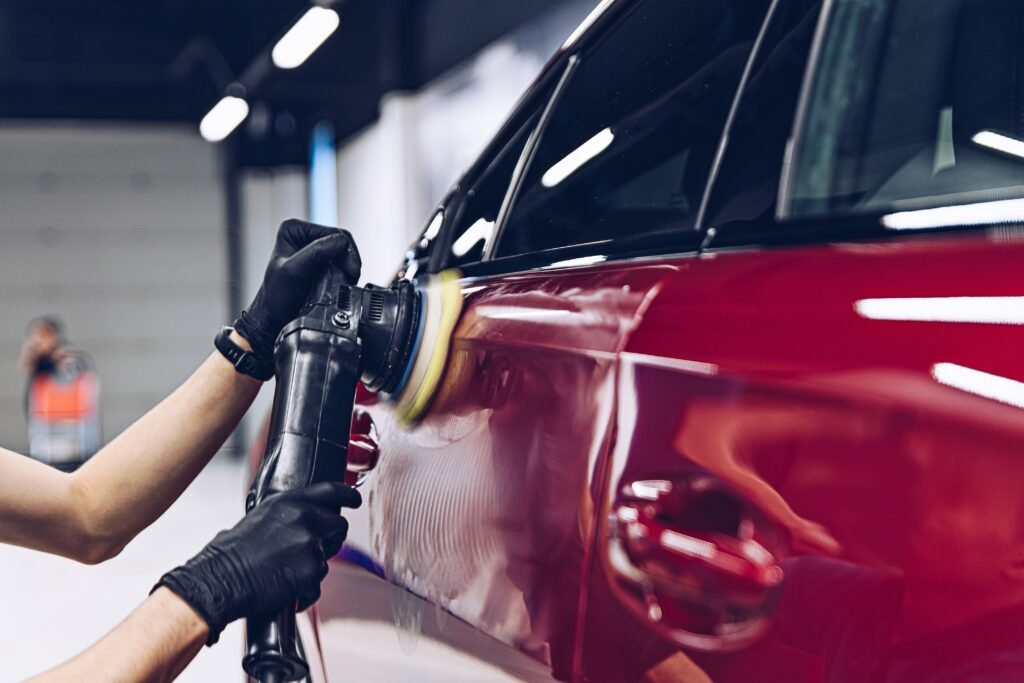
The driveway is the showroom, the car is the advert, and the best detailers never chase customers at all, they just make one car shine so brightly that the whole street starts asking who did it. A mobile detailing business begins with that simple advantage, since the work happens in full view of the neighbours who are most likely to book next. There is no shop, no lease and no staff bill at the start, just sound equipment, a reliable vehicle, proper cover and a booking system that keeps the diary tidy. What follows is a lean plan in working order, from the first purchases to a week filled with clustered, profitable jobs.
Before any kit is bought, one habit needs to come first, and that is watching the money per hour rather than the money per job. A detailer who understands the good profit margin for a service business will price, time and route the work very differently from one who only chases big tickets. A premium job that fills a whole day with travel can quietly earn less per hour than a quick express clean nearby, and only honest timing reveals which is which. Keep that measure in mind at every step below, because each choice, from gear to deposits, either protects the hourly rate or slowly eats it.
Kit to Buy First, and Kit to Leave on the Shelf
Step one is buying the working core, and nothing beyond it. Start with an electric pressure washer suited to driveways, which gives enough cleaning power without the noise and fumes of a heavier machine. Add a large wet and dry vacuum, because interiors are half the job and a weak vacuum doubles the time spent on crumbs, grit and pet hair. A shelf of cleaners comes next, covering paint, wheels, glass and interiors, with dressing for trim and wax for protection. Brushes in several sizes, buckets fitted with dirt traps, labelled spray bottles and plenty of clean cloths complete the core, and none of it needs to be the dearest version on sale.
Step two is organising that kit so it loads fast and works anywhere. Hose reels stop tangles, labelled bottles stop guesswork, and a simple shelter keeps sun and light rain from ruining a finish or cancelling a day. Hard water needs thought as well, since it can spot paint as it dries, so a deioniser or a careful drying routine earns its place early in dry, sunny areas. The vehicle you already own, whether a car or a sports utility vehicle, is the right starting van, upgraded later from profits rather than debt. A tidy, well sorted load area also sells the service before a word is spoken, because customers read careful kit as careful work, and the background of the trade in the Wikipedia overview of auto detailing and its methods shows how much of that work rests on careful washing, cleaning and polishing.
Water, Power and a Rig That Works Anywhere
Step three is solving water before the first booking. Many customers can offer a tap, yet relying on that tap limits where you can work and slows the setup on shared driveways and apartment blocks. A water tank with a pump makes the rig self contained, so office car parks, storage yards and rural homes all become workable. The tank should be sized to the packages you sell, since running dry halfway through a premium detail is a failure the customer will remember. Refill points, safe securing in the vehicle and a quick daily check of levels belong in the routine from the first week.
Step four is power, handled with the same independence. A quiet inverter generator suits most work and keeps neighbours calm, while a vehicle wired power inverter can cover lighter tools where a generator is unwelcome. Cables need the same care as hoses, kept on reels, checked for damage and routed so nobody trips over them on a family driveway. Apartments and office sites may have rules about generators and outdoor sockets, so asking during booking prevents an awkward arrival. The aim is a rig that works anywhere without negotiation, because every minute spent hunting for water or power is a minute taken from the hourly rate.
Registering, Insuring and Covering Cars in Your Care
Step five is putting the business on a proper footing. Registration is light at the start, with a trading name filing costing little, and a limited company can wait until revenue is steady and the paperwork earns its keep. Check whether the city asks for a mobile vendor permit, since rules vary by place and a fine costs more than the permit. Keep the early structure simple, keep receipts from the first purchase, and let the form of the business grow with the diary rather than ahead of it.
Step six is insurance, and here there is no safe shortcut. General liability cover is essential because the work touches vehicles worth many times the job fee, and one slipped tool or one damaged sensor can turn a good day into a claim. Ask for an endorsement covering vehicles left in your custody, so harm done to a customer car while it is with you is properly covered. The vehicle policy needs the same attention, since personal cover often excludes business use, and an insurer who learns about the work only after an accident may refuse the claim. Official starting steps for new firms are gathered in the SBA launch guide for new businesses, which helps a solo operator order the paperwork sensibly.
Step seven is building trust into the handover itself. Photograph each vehicle on arrival, noting existing marks with the customer where possible, and keep keys, alarms and locking habits agreed in writing on the booking form. State clearly who moves the car, where it will sit during the work, and what happens in bad weather. Those small agreements protect both sides, and customers read them as professionalism rather than fuss. A detailer trusted with expensive cars on open driveways is selling peace of mind alongside shine, and the paperwork is part of that product.
Packages That Sell Themselves: Tiers That Make Sense
Step eight is shaping the offer into clear tiers. Services sell best as three or four levels, each with a plain name, a clear list of what is included and an honest guide to how long it takes. The entry tier is an express wash and wipe down taking about an hour, suited to cars already in fair shape. The middle tier is a full detail with shampooing, leather conditioning and wax, taking several hours and serving as the main earner for most operators. The top tier is a premium correction with paint decontamination, machine polishing and sealant, taking most of a day and priced to reflect the skill and time involved.
Step nine is pricing those tiers with confidence. Once the work justifies it, prices should be pitched at the upper end of the local market, because detailing trades on trust and craftsmanship rather than on being the cheapest option in town. Competing with cut price car washes is a losing game, since their model depends on speed and volume that a mobile craft service cannot and should not match. Clear tiers also protect the detailer from endless bargaining, because a customer who wants to spend less can step down a tier instead of asking for the top job at a lower price, and the choice feels fair to both sides.
Step ten is adding maintenance plans, which turn one happy customer into recurring revenue. A plan at a fair discount, booked every few months in line with how often customers naturally rebook, keeps a cared for car easy to maintain and keeps the diary filled weeks ahead. A monthly plan client is worth a substantial sum across a year, and a diary anchored by plan clients can absorb quiet weeks and bad weather far better than one built on fresh enquiries alone. Offer the plan at the moment of delight, when the customer first sees the finished car, and make joining as simple as choosing the next date.
Filling the Diary With Visual Proof
Step eleven is making every job produce its own marketing. Striking transformation photographs and short videos, posted daily across social platforms and local groups, are how the first clients arrive and how later clients keep arriving. Film the worst panel first, work in good light, and let the finished result speak without hype. A branded vehicle acts as a billboard on every job, so clean signage with a clear phone number and a short list of services earns money while the detailer works. An irresistible introductory offer for the next few bookings can fill the early calendar and generate the images that fuel everything after it.
Routes, Deposits and the Habits That Protect Profit
Step twelve is planning routes around density, because drive time is unpaid time. Several jobs clustered in one neighbourhood each day will out earn scattered premium jobs across a wide area, so quote honestly for distance, group bookings by area, and add a trip charge for distant work. Scheduling software with automatic reminders prevents the no shows that waste a driven journey, and a short confirmation message the day before gives customers a fair chance to rearrange. Weather belongs in the booking terms too, with free rescheduling in heavy rain, a pop up canopy for light rain, and a winter plan that leans on interior work when exterior jobs slow in northern areas.
Step thirteen is protecting the day with deposits and small measurements. Take a deposit for larger details, since a cancelled premium job leaves a hole no express clean can fill. Track chemical cost per job, because heavy handed product use is easy to miss and quietly expensive across a month. Time every service type until the real hourly rate is known for each tier, including travel, setup and packing away, and adjust prices or areas when a tier proves weaker than it looked on paper. What truly counts is how much profit each working hour leaves you with, rather than the headline takings from any single booking, when choosing which work deserves your time.
Step fourteen is a short weekly review. Look at the diary, the reviews, the costs and the sources of new bookings, then fix one weak point before the next week begins. A solo operator who buys the right kit first, registers and insures properly, sells clear tiers, films the proof and guards the route will build the thing every detailer wants, which is a diary that fills itself from streets already won, one shining car at a time.


