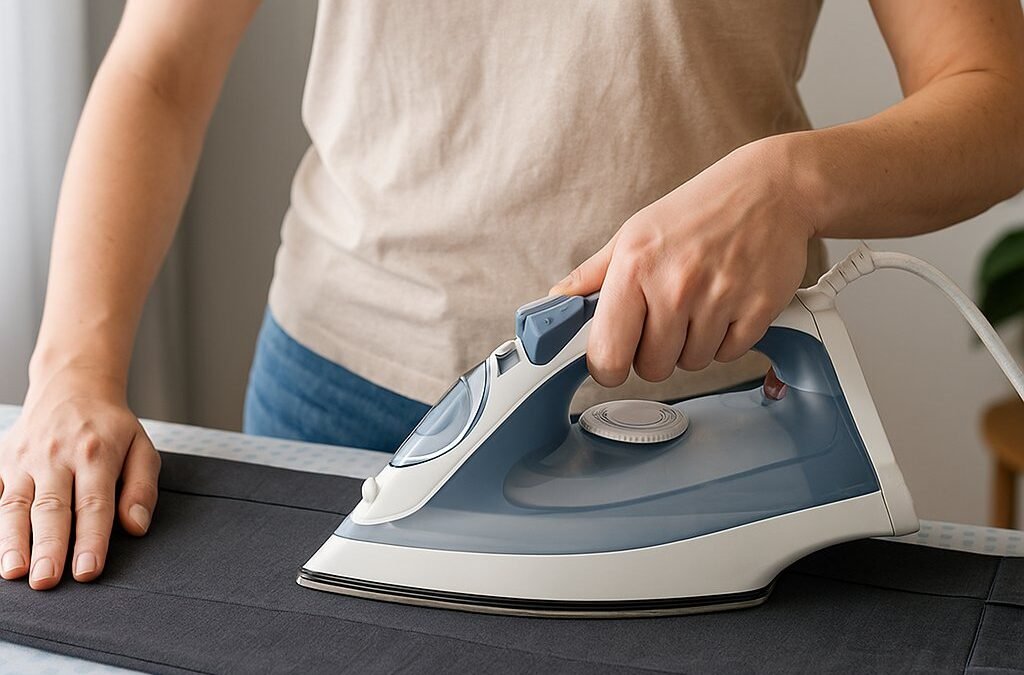
Ruined clothes rarely meet a faulty iron; they meet the wrong heat, a rushed hand and a fabric nobody checked first. Learning which garments want pressing, which prefer steam and which want neither keeps a wardrobe smooth without scorch marks or shine.
Choosing Between Pressing and Steaming by Garment
Decide garment by garment rather than declaring loyalty to one appliance. Crisp cotton shirts, linen trousers and anything with a deliberate crease respond to the weight and glide of a hot soleplate, while flowing dresses, pleated skirts and embellished tops usually prefer vapour drifting through fibres without anything pressing down on them. Structured jackets sit between camps: their lapels and shoulders dislike flattening, yet their backs and sleeves sometimes need gentle pressing to look truly finished.
Travel sharpens this decision, because formal clothes packed tightly arrive creased whatever you do at home. Choosing the best carry-on luggage options for keeping outfits smooth reduces the rescue work waiting at your destination, especially when garments travel folded around tissue or rolled softly inside packing cubes. A traveller carrying one good shirt for an important dinner may only need a steamer at the other end, while someone relocating a whole work wardrobe will eventually want a board and iron waiting.
The underlying principle is simple heat meeting fibre. In the words of Wikipedia’s entry on ironing, the process uses a heated tool to remove wrinkles from fabric, and different fibres tolerate different temperatures. That tolerance governs everything that follows. Natural plant fibres generally withstand firmer heat, animal fibres such as wool and silk demand caution, and many synthetics soften or glaze when treated like cotton. Reading the care label therefore becomes an act of identification before it becomes an instruction.
Some garments want neither tool. Sturdy denim often relaxes under its own weight when hung after washing, chunky knits can be smoothed by hand and dried flat, and certain crinkle fabrics are designed to keep their texture permanently. Forcing such pieces smooth wastes effort and sometimes ruins the intended finish. The wisest pressing session begins with a sorting moment, dividing the pile into iron work, steamer work and items that should simply be hung, shaken and left alone entirely.
Heat Settings Matched to Common Fabrics
Think of heat as a ladder you climb reluctantly. Begin low for synthetics, acetate, nylon and anything with a printed or bonded surface, because these materials can melt, stick or shine under enthusiasm. Silk and wool occupy the next cautious territory, best handled with moderate warmth, a pressing cloth and minimal lingering in one spot. Cotton and linen stand at the top, tolerating the strongest settings and often needing them, ideally while slightly damp, before creases surrender completely.
Blends complicate the ladder, so obey the most delicate fibre in the mixture. A shirt combining cotton with a synthetic partner should be treated closer to the synthetic end, even when the cotton portion begs for fiercer treatment. Test unfamiliar garments on an inside seam, a hem allowance or another hidden patch first, wait a moment, then inspect for shine, stiffness or colour change. That small experiment costs seconds and has saved countless waistbands, collars and pocket flaps from becoming permanent cautionary tales.
Steam interacts with heat in ways worth respecting. Moisture relaxes fibres and helps creases release at lower temperatures, which is why a slightly damp garment presses more easily than a bone dry one. Too much water on delicate fabric, however, can leave rings or spots, especially on silk. Use steam generously on sturdy cottons, sparingly on wool with a cloth as barrier, and not at all where a label forbids it, since printed symbols carry the maker’s testing behind them.
Board Setup, Water and Working Space
Preparation decides whether pressing feels smooth or chaotic. Set the board at a height that lets your forearm stay roughly level as you work, place it near a socket without trailing cables across walkways, and keep a hanger rail or chair back within reach for finished pieces. Good light matters more than people expect; a lamp angled across the board reveals faint creases and early shine that dim ceiling bulbs politely conceal until the garment is worn outdoors.
Water quality shapes results too. Fill the reservoir as the manufacturer directs, empty it after sessions if advised, and never add fragrances or starch substitutes the maker has not approved, because residues bake onto soleplates and transfer onto pale fabrics later. A clean soleplate glides; a grubby one drags and can deposit brown marks precisely where they show most. Wipe the cooled plate with a damp cloth regularly and check vents for mineral crust before blaming technique for poor steam.
A Pressing Sequence From Collar to Hem
Shirts reward a fixed order. Begin with the collar, pressing from its points towards the centre so fabric cannot bunch into a crease at the tips, then move to the yoke across the shoulders. Sleeves follow, aligned along their natural fold, with cuffs opened and pressed inside before being closed and finished outside. Working the body last keeps large panels from wrinkling while smaller parts are manipulated, and the placket with its buttons deserves slow passes that steer around each fastening rather than crushing over it.
Trousers follow their own geography. Pockets turned out briefly reveal trapped creases at the hips, the waistband needs firm attention all round, and legs align best when seams are matched carefully before the soleplate travels their length. A deliberate crease wants one confident pass, not repeated nervous strokes that wander and double the line. Turn dark trousers inside out or use a cloth, because direct heat across thighs and seats is exactly where unwanted shine announces itself first.
Dresses and skirts demand adaptability. Bodices with darts or gathering should be eased over the board’s narrow end rather than flattened on its wide surface, while full skirts rotate in sections, each panel smoothed and moved aside before it can be crushed by the next. Hang every finished garment immediately, button the top button of shirts to hold collar shape, and resist stacking pressed clothes in a warm heap. Five patient minutes of hanging undo none of your work; five careless minutes of piling can restore half the creases.
Keep the soleplate moving with light, even pressure, letting heat and steam perform the labour rather than your shoulder. Parking a hot iron on one spot while reaching for the next garment is the classic route to scorch marks, and leaning your full weight through the handle achieves little beyond fatigue. Glide, lift, reposition, glide again. When a crease refuses, dampen it slightly, allow the moisture a breath to settle, and pass once more instead of grinding repeatedly over dry, stubborn fabric.
Steaming Technique for Delicate and Structured Pieces
Steaming works vertically, with the garment hanging freely and the fabric held gently taut by your free hand kept well clear of the vapour. Move the head slowly from top to bottom, close enough for steam to penetrate yet rarely touching the surface, and let gravity assist as fibres relax and drop their creases. Working inside a steamy bathroom after a shower offers a mild version of the same effect for lightly wrinkled pieces that need freshening rather than full treatment.
The reason this method suits fragile clothing becomes clear in Wikipedia’s article on clothes steamers, which describes how such devices use hot steam to relax fibres without direct contact with a hot soleplate. No crushing pressure means pleats keep their folds, beading escapes being flattened, velvet retains its pile and tailored shoulders hold their shape. Awkward items that refuse to lie flat on a board, from bias cut dresses to structured blazers, finally receive treatment shaped around their construction rather than against it.
Technique still matters. Over steaming delicate fibres until they drip invites water spots and can relax a garment out of its intended fit, so pass steadily and stop when creases release rather than saturating everything. Allow steamed pieces a short drying interval before wearing or storing them; fibres set as they cool, and dressing immediately can stretch softened fabric at elbows and seats. Jackets benefit from being steamed on a sturdy hanger with shoulders properly supported, never on a wire hook that distorts their line.
Know the limits honestly. Steam refreshes and relaxes, but it cannot install a knife edge crease in trousers, flatten a rumpled cotton collar into crispness or rescue linen that looks slept in. Those jobs belong to the iron, which is why many wardrobes eventually keep both tools, using steam for frequent gentle maintenance and pressing for occasions demanding polish. Choosing between them per garment, as this guide opened by suggesting, removes the false contest and replaces it with a practical partnership.
Rescue Moves for Shine, Scorch and Stubborn Creases
Shine appears when heat and pressure flatten fibres until they reflect light, most often on dark wool and synthetic blends. Mild cases sometimes improve when the area is brushed, steamed lightly and treated with a cloth dampened with plain water, then pressed very gently through a barrier cloth so texture can lift again. Severe shine is harder to reverse, so treat any improvement as a bonus and adjust future settings downwards, because prevention remains dramatically more reliable than rescue for this particular form of damage.
Scorch marks demand honesty about severity. A faint yellowing on sturdy white cotton may fade after careful washing and air drying in daylight, while a browned, brittle patch means fibres have been physically damaged and no clever trick restores their strength. Never hide a weakened area and continue wearing the garment near heat or strain as though nothing happened; the fabric can tear along the weakened zone. Learn the setting that caused it, note it, and let the lesson protect everything still hanging in the wardrobe.
Stubborn creases usually surrender to moisture, patience and correct heat rather than brute force. Mist the fold lightly, wait while the water settles into the fibres, then press through the full length in one direction. Deep creases in linen may need the garment slightly damp overall. Creases caused by long storage across a hanger bar respond to steaming followed by hanging in open air. When a fold truly refuses after two careful attempts at the right temperature, accept it gracefully, since escalating heat converts a crease problem into a scorch problem remarkably quickly.
Finish every session by emptying the iron as directed, letting equipment cool somewhere safe, and storing garments with room to breathe. Note which fabrics in your own collection behaved unexpectedly, because personal evidence outperforms generic charts over time. Smooth clothes are rarely the product of expensive equipment; they come from matching tool to garment, heat to fibre and patience to the task, repeated calmly until careful pressing becomes an unremarkable habit rather than a risky event.