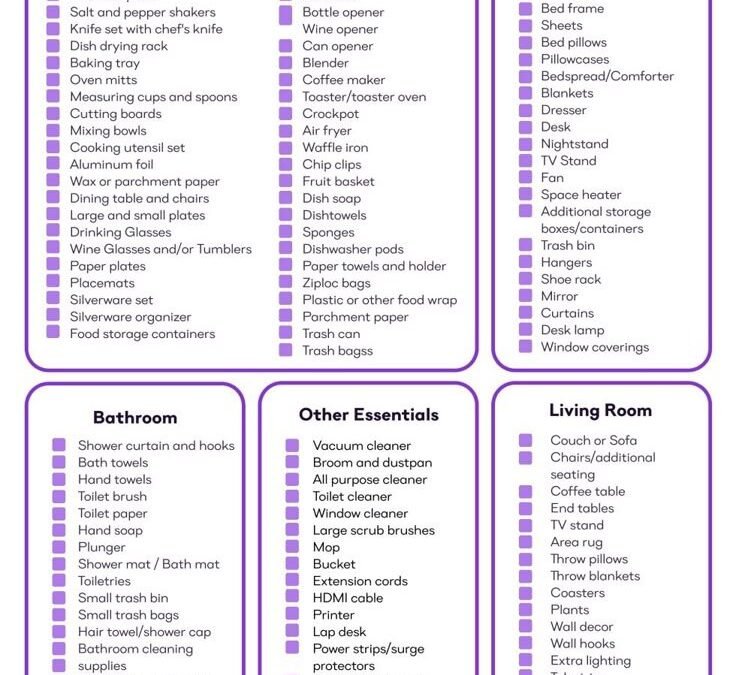
Furniture is the easy part of a first home, because sofas announce themselves while the plunger, the torch and the spare batteries stay invisible until the exact evening they are needed. A thoughtful checklist covers the unglamorous objects that turn a bare flat into somewhere workable.
Safety Essentials Most People Forget Entirely
Walk the empty rooms slowly before any boxes arrive, because hazards and gaps are far easier to spot without furniture crowding your view. Check window latches, look beneath sinks for damp patches, test every socket with a phone charger, and note which doors stick or refuse to close smoothly. That same empty stage suits anyone wondering about choosing the best paint finish for bathrooms, since steamy rooms punish the wrong coating and bare walls reveal flaking, mould spots or tired sealant that landlords should record before you move belongings in.
Protection against fire belongs at the very top of the shopping list, well ahead of cushions or artwork. According to Wikipedia’s article on smoke detectors, these devices sense smoke as an indicator of fire and typically issue an audible alarm, giving occupants precious warning while a problem is still small. Test any alarms already fitted, replace tired batteries, and never let painting or cooking steam tempt you into removing one. A torch kept beside the bed, spare batteries in a labelled drawer and a charged power bank complete the basic emergency corner.
Add a small extinguisher suitable for kitchen use only if you feel confident using one, and store it where flames would not block your reach. More important for most beginners is knowing escape routes, keeping hallways clear from the first day, and saving local emergency numbers in your phone. Candles deserve sturdy holders placed away from curtains, while overloaded extension leads should be replaced by properly rated alternatives rather than daisy chained across a room. Safety purchases feel dull in the shop yet prove their worth on the single night they matter.
Cleaning Supplies Ready Before Moving Day
Arrive with cleaning materials in your own bag rather than hoping the previous occupant left the place spotless. Viewings flatter a property, and cupboards, oven trays or the area behind a toilet often tell a different story once keys change hands. A starter kit needs an all purpose spray, washing up liquid, a bathroom cleaner, microfibre cloths, a scrubbing brush, rubber gloves, bin liners, a dustpan with a stiff brush, and a mop or flat floor cleaner suited to the surfaces you actually have.
Clean before furniture lands, working from ceilings downwards so dust falls onto bare floors you can sweep last. Wipe inside wardrobes and kitchen cupboards before filling them, wash the fridge shelves, and run an empty hot cycle if the washing machine smells stale. Photograph any marks you uncover while rooms remain empty, because those images protect you later when deposits are discussed. Cleaning an empty flat takes a fraction of the effort the same job demands once sofas and beds block every corner.
Stock the ongoing basics too: laundry detergent, toilet cleaner, extra sponges, kitchen roll and replacement vacuum bags or filters where relevant. Keep products for renters simple and surface safe, avoiding harsh treatments on stone, wood or enamel you do not own. A caddy or basket under the sink keeps everything portable between rooms. When supplies live together, weekly tidying stops depending on memory, and guests arriving unexpectedly cause far less panic about the state of the bathroom.
A Kitchen That Handles Real Weeknight Cooking
Resist enormous boxed sets promising equipment for meals you may never cook. A practical kitchen begins with one wide frying pan, a lidded saucepan, a roasting tray and a sharp general purpose knife protected by a decent chopping board. Add a mixing bowl, a colander, a wooden spoon, a spatula, tongs, a vegetable peeler and a can opener, plus measuring jugs or spoons if you enjoy baking. Those modest pieces handle soups, stir fries, pasta, eggs and tray bakes without filling drawers with single purpose gadgets.
Tableware for everyday life matters just as much. Plates, bowls, glasses and cutlery in a quantity matching your household plus a couple of guests will cover ordinary evenings comfortably. Storage tubs with lids that genuinely seal turn leftovers into tomorrow’s lunch, while a dish rack, washing up bowl and tea towels keep the sink area workable. Choose a bin that fits the available gap and takes liners you can buy locally, because an awkward bin becomes an overflowing bin with remarkable speed.
Food basics deserve a place on the checklist beside equipment. Cooking oil, salt, pepper, dried pasta, rice, tinned tomatoes and a few herbs you actually like will rescue the first evenings when shopping feels overwhelming. A kettle or alternative for hot drinks makes unpacking bearable, and an oven glove prevents the classic tea towel burn. Buy specialised appliances only after repeated need proves itself; borrowed enthusiasm in a shop creates cupboard clutter that a small kitchen cannot afford to store.
Label a single shelf or basket as the home for manuals, spare fuses, tenancy paperwork and the small parts that arrive with flat pack furniture. Loose documents vanish into kitchen drawers and coat pockets with astonishing speed, yet meter readings, agency letters and guarantee slips become important exactly when stress is already high. A modest folder kept in one predictable place saves frantic searching later and gives the new home an early feeling of quiet administrative order.
Bathroom and Laundry Basics Beyond Towels
Bathrooms reveal their missing items at the least convenient moments, usually late at night or early before work. A shower curtain with hooks or rings, a bath mat that grips the floor, a toilet brush, a small bin with a lid and, above all, a plunger should arrive before the first shower. Plungers look faintly ridiculous on a moving day list, yet a slow draining basin stops being amusing very quickly, and buying one calmly in daylight beats searching for a shop during a plumbing mishap.
Towels are only the beginning. Add a mirror if the room lacks one, a holder or shelf for toiletries so bottles stop balancing on bath edges, spare toilet rolls stored within reach, and a laundry basket sized for the corner it must occupy. A simple air freshener or, better, regular ventilation handles odour without heavy fragrance. Hooks on the back of the door multiply storage in rented bathrooms where drilling may be unwelcome, and a wash bag keeps shared spaces orderly when housemates rotate through busy mornings.
Laundry equipment extends beyond detergent. A drying rack suits flats without outdoor space, pegs serve both rack and line, and a mesh bag protects delicate garments in a shared machine. Keep a small sewing kit for buttons that detach at awkward times, plus a lint brush if work clothes attract fluff. An iron or steamer can wait until you know your wardrobe habits, whereas a laundry basket, stain treatment you trust on familiar fabrics and somewhere sensible to fold clothes are needed during the very first week.
Small Tools for Hanging, Fixing and Measuring
A compact tool collection prevents tiny jobs from becoming paid callouts or weeks of avoidance. Begin with a tape measure, because guessing whether furniture fits causes more moving day misery than almost anything else. Add a hammer, a set of screwdrivers or one driver with interchangeable heads, pliers, an adjustable spanner, a spirit level and a utility knife for opening packaging safely. Picture hooks rated for your wall type, spare screws and a roll of strong tape round out a kit that lives happily in a single drawer.
Health emergencies belong in this practical conversation as well. As Wikipedia’s entry on first aid kits sets out, such a kit gathers supplies used for giving immediate treatment to injuries and minor illnesses, from plasters and dressings to antiseptic wipes. Assemble one before the first attempt at assembling furniture, since new homes produce an impressive number of scraped knuckles and splinters. Store it somewhere memorable, tell anyone sharing the flat where it lives, and replace used items promptly rather than discovering an empty box during the next mishap.
Round out the drawer with batteries in common sizes, a spare phone charging cable, light bulbs matching the fittings already installed, and a notebook listing meter readings, landlord contacts and appliance quirks. Furniture pads protect floors when heavy pieces shift, while doorstops stop handles punching dents into fresh paint. None of these objects photographs beautifully for social media, yet together they transform a flat from a collection of rooms into a place where ordinary problems get solved in minutes instead of lingering for months.
What does renters insurance actually protect against?
Policies vary, so read wording rather than assuming, but cover of this kind generally concerns your belongings and certain liabilities rather than the building itself, which remains the owner’s responsibility. Theft, accidental damage to your possessions and claims arising when a visitor gets hurt inside your flat are typical themes mentioned in policy summaries. Whether it suits you depends on the value of what you own, the excess involved and any requirements written into your tenancy agreement, so treat it as a considered decision rather than an automatic purchase or an automatic refusal.
Which forgotten item causes the most first week panic?
The plunger wins this doubtful honour for many households, closely followed by the toilet brush, the shower curtain and spare toilet rolls. Each is cheap, each is available everywhere, and each becomes urgent at hours when shops may be shut. A can opener produces a quieter version of the same frustration when dinner exists but refuses to leave its tin. Buying these graceless objects before moving day removes the silliest emergencies entirely, leaving your energy free for genuine settling in.
Should everything be bought before the moving day?
No, and attempting total preparation wastes money on guesses. Safety equipment, cleaning materials, bathroom necessities, bedding and enough kitchen gear for simple meals should travel with you, because the first night depends on them. Almost everything decorative or specialised can wait until you have lived with the rooms, measured properly and noticed what daily routines actually demand. A short list written during the first fortnight, based on real friction rather than imagined lifestyles, produces a calmer home and a far healthier budget than one frantic pre move spending spree.