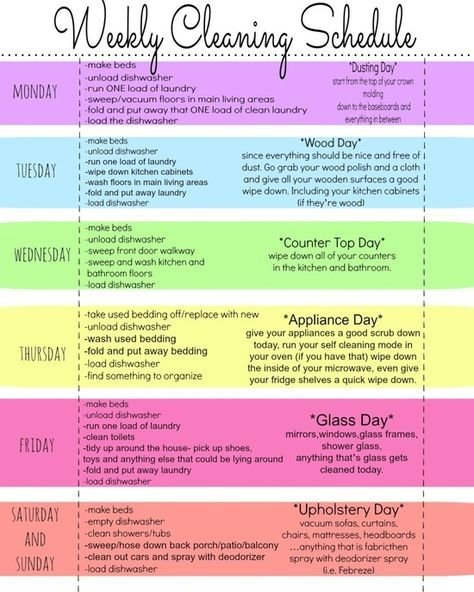
A small apartment rarely needs a heroic weekend clean, because grime never gets the chance to settle when small jobs keep rotating. The trick is matching each task to the day where it quietly fits, then letting repetition do the heavy lifting.
A Short Daily Reset That Prevents Build Up
Begin with the reset rather than a deep clean. Dishes leave the sink, cooking splashes get wiped while still soft, and stray belongings travel back to shelves, hooks or drawers before they form little piles. A compact home rewards this tidiness out of proportion to the effort involved, since every surface doubles as something else: the table becomes a desk, the counter becomes a folding station, and the hallway floor carries nearly all foot traffic. Keeping those shared surfaces clear makes the whole place feel freshly tended even on an ordinary evening.
While you move through that quick loop, glance at the bathroom edges rather than scrubbing them. Damp sealant, darkening grout lines and peeling corners announce themselves early to anyone who looks during routine tidying, and catching decay at that stage saves a messy repair later. Anyone curious about learning how to recaulk a bathtub before small gaps widen will find the job far simpler when the surrounding tile stays dry and observed week after week. Observation is the cheapest maintenance tool a renter or owner owns.
That framing of daily upkeep matches Wikipedia’s entry on housekeeping, which presents housekeeping as the management of everyday household duties, covering cleaning, tidying and keeping living spaces in an orderly condition. Read that way, housekeeping sounds less like occasional rescue work and more like gentle administration, a series of tiny decisions repeated until they become background habit. A short reset after the evening meal suits this idea well, because crumbs, packaging and washing up all arrive together and can depart together too.
Keep the reset deliberately modest. Sweep only the gritty patches near the entrance and beneath the dining chairs, shake the doormat when it looks dusty, and run a damp cloth across the hob surround if cooking left marks. Anything demanding tools, buckets or furniture moving belongs to the weekly rotation described below, not to this closing loop. When the daily pass stays light, nobody dreads it, and skipped evenings cause no collapse because tomorrow brings another chance to restore order.
Bathroom Attention Early in the Week
Give the bathroom its proper session near the start of the week, when motivation tends to run higher and the room has the longest stretch to stay pleasant afterwards. Work from the driest fixtures towards the wettest ones. Mirrors and shelf edges first, then the basin and taps, then the bath or shower tray, and finally the toilet, so cloths never carry grime from a dirtier zone onto a cleaner one. Small bathrooms make this ordering easy because every fixture sits within a few steps of the doorway.
Soap film responds better to patience than to force. Apply your chosen cleaner, allow it a short dwell while you tidy bottles or shake out the bath mat, then wipe and rinse. Limescale around tap bases softens the same way. Pay attention to the overlooked ledges: the top of the cistern, the underside of the basin rim, the holder for toothbrushes, and the groove where the shower screen meets the tray. Those narrow places collect residue quietly and make an otherwise clean room smell stale.
Finish by airing the room thoroughly. Run the extractor if one exists, open a window where possible, and leave the shower curtain spread wide so folds dry instead of staying clammy. Hang towels with space between them rather than bunched on a single hook. A bathroom that dries fully between uses needs gentler cleaning overall, because moisture lingering on grout and sealant encourages the very discolouration the weekly session exists to prevent. Replace the hand towel, empty the small bin, and the room is set for days.
Kitchen Surfaces and the Bin Routine
Kitchens in compact flats earn their own weekly slot because cooking residues spread invisibly. Start by emptying the worktops completely, even if that means temporarily parking the kettle and fruit bowl on the table. Crumbs hide beneath appliances, oil mist settles behind the hob, and sticky rings form under bottles that never move. A clear surface allows one unhurried wipe from the back edge forwards, followed by a separate pass over cupboard handles, the fridge door grip and the microwave keypad, all of which collect fingerprints and grease.
The sink deserves equal care. Wash it after the dishes rather than around them, scrub the plughole surround, and dry the draining board so puddles stop leaving chalky outlines. If a dish rack lives there permanently, lift it and clean underneath, since trapped moisture beneath racks turns sour surprisingly fast. Wipe the front of the oven and any exposed splashback tiles, checking for the fine spatter that frying leaves at eye level beside the hob rather than directly behind it.
End with the bin, because odour often blamed on cooking actually rises from there. Take the bag out even when it looks half full if it holds food scraps, wash the empty container whenever spills have reached the base, and let it dry before a fresh liner goes in. Recycling that smells of its contents benefits from a quick rinse before storage. Keep spare liners folded beneath the current bag so replacement never becomes a reason to postpone the task, and wipe the pedal or lid rim where hands and food packaging touch most.
Floors, Dust and Soft Furnishings in Rotation
Hard floors in a small home gather grit at a pace that surprises people moving from larger places, simply because the same shoes cross the same boards many times daily. Alternate the emphasis across weeks rather than attempting perfection each time. One week can favour thorough vacuuming beneath furniture and along skirting edges, while the next gives attention to mopping kitchen and bathroom tiles, shaking rugs outside, and wiping the legs of chairs where dust clings in a visible film.
Dusting works best immediately before floor care, so dislodged particles land where the vacuum or mop will shortly pass. Move along shelves and windowsills with a slightly dampened cloth, rinse it often, and include picture frames, lamp shades, radiator tops and the leaves of houseplants. For this sort of repeated light work, Wikipedia’s article on microfiber notes that cloths woven from split synthetic fibres gather dust and moisture effectively, which explains their popularity for frequent passes across varied surfaces without a cupboard crowded with specialist products.
Soft furnishings rotate on a slower rhythm within this same section. Cushion covers, throws and the fabric of an upholstered chair trap crumbs and household dust even when they look respectable. Shake loose covers outdoors when weather allows, vacuum upholstery with a brush attachment where the maker permits it, and turn cushions so wear spreads evenly instead of hollowing one favourite seat. Curtains near the kitchen deserve an occasional sniff test, since cooking vapour drifts further than most people expect and settles into hanging fabric.
Laundry and Bedding on a Fixed Day
Anchoring laundry to one predictable day prevents the slow drift towards overflowing baskets and emergency washes. Gather everything the evening before: towels from the bathroom rail, tea towels from the kitchen, bedding stripped in the morning, and clothing sorted into loads that share similar washing needs. A small apartment rarely generates enormous volume, so the reward of a fixed day is not scale but certainty, knowing that fresh sheets and clean towels always arrive on the same rhythm.
While machines run, use the waiting stretches productively without inventing extra chores. Wipe the washing machine door seal, clear fluff from any filter you can reach safely, and leave the detergent drawer ajar afterwards so it dries. Shake each finished load before hanging it, because creases set during a crumpled wait in the drum take far longer to remove later. In a compact flat, a folding rack placed near moving air dries things faster than one wedged behind a door, and rotating items halfway helps thick seams catch up with thinner panels.
Bedding rewards regularity more than intensity. Sheets washed on the fixed day never reach the tired stage where body oils dull the fabric and pillows lose freshness. Air the duvet over a chair back while the sheets wash, plump the pillows, and vacuum the mattress surface occasionally with a clean upholstery tool. Making the bed again with aired layers gives the bedroom an immediate sense of renewal for very little active work, and the clean bedding makes the whole weekly system feel worthwhile rather than dutiful.
A Monthly Pass for Slow and Hidden Jobs
Some tasks matter greatly yet punish anyone who attempts them weekly. Reserve a monthly pass for those slower jobs and treat it as an overflow layer sitting on top of the rotation, not as a separate marathon. Inside the oven, behind the fridge if it moves safely, the tops of tall cupboards, window tracks, extractor filters and the interior of the microwave all belong here. Each accumulates grime so gradually that monthly attention keeps it manageable while weekly attention would simply waste effort.
Choose only a handful of monthly targets each time and rotate them across the year. Light fittings gather insects and dust, door frames collect scuffs at handle height, and the seals around windows harbour condensation marks through colder months. Bathroom extractor grilles clog with lint until airflow weakens, which quietly undermines all the drying habits described earlier. Working through a short written list prevents the pass from expanding endlessly, and ticking items off gives a satisfying sense of territory reclaimed.
Use the monthly pass for checking supplies as well as cleaning. Sponges approaching disintegration, cloths that no longer rinse clean, a mop head past its best and cleaning bottles nearly empty all reveal themselves when cupboards open for these deeper jobs. Note replacements immediately rather than discovering shortages mid task next month. Also inspect under sinks for slow drips, around the washing machine hoses for damp, and behind the toilet for condensation, because early spotting turns potential repairs into minor adjustments.
Above all, protect the lightness of the whole arrangement. The daily reset stays short, each weekly zone owns a single area, laundry arrives on schedule, and the monthly pass absorbs whatever moves too slowly for either rhythm. Nothing in a small apartment then has the chance to become a dreaded project, because every surface already knows when its turn is coming. Consistency, not intensity, is what keeps compact homes feeling calm, and a rotation you barely notice is precisely the kind that survives busy weeks, tired evenings and the occasional skipped day without collapsing into chaos.