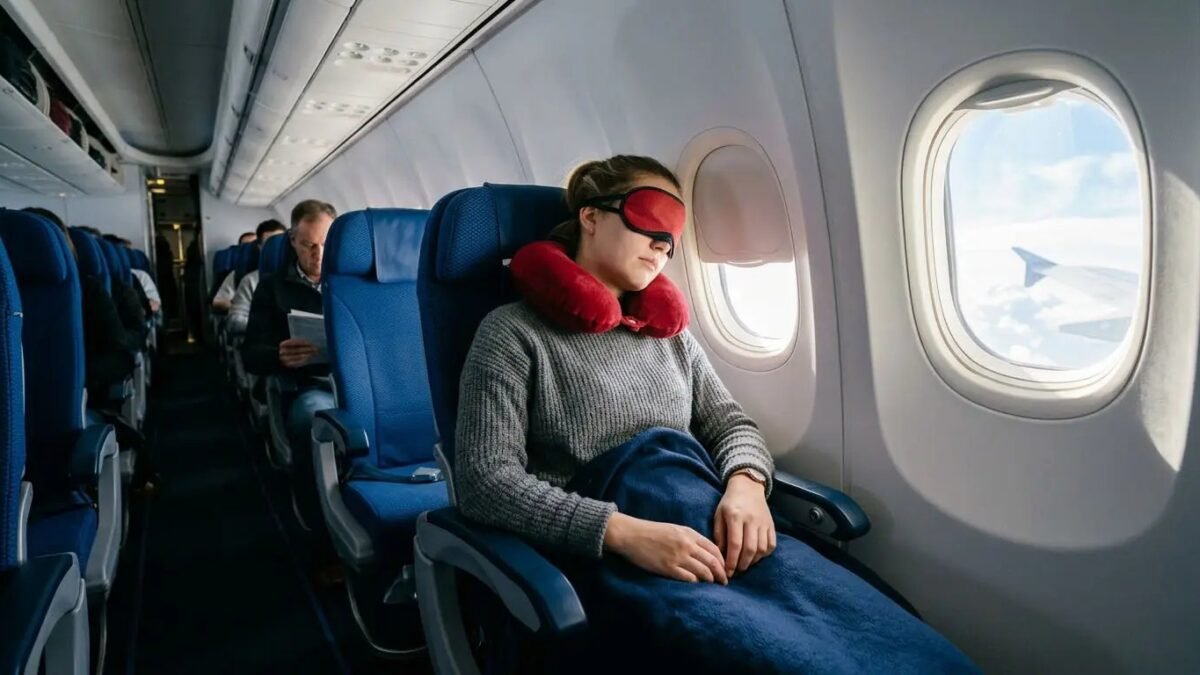
Rest at altitude rarely arrives by accident, because cabins combine light, noise and an upright seat in ways that fight slumber. Yet passengers on the same overnight route land in very different shape, and the gap comes down to preparation. Timing rest around the destination clock matters more than any single gadget. Small rituals borrowed from home tell the brain that the day is ending. Combined patiently, those signals can rescue a first morning that would otherwise feel wasted.
Destination Time Should Govern the Whole Flight
The clock at the place you are heading to is the only clock that matters once the doors close. Set a phone and a watch to that time as soon as you settle into the seat, and make choices from it rather than from the hour your body left behind. If the destination is settling into night, treat the cabin evening as night, even when the departure city would still be eating supper. If the destination is moving toward morning, protect wakefulness instead and save sleep for a later stretch.
Choosing the flight itself shapes what is possible. An overnight service that lands near the start of the local day gives sleep a clear purpose, because waking on board lines up with waking for the day ahead. A service that lands in the middle of the local night asks for a different plan, with rest split between the flight and the room after arrival.
Seat choice supports the plan quietly. A window position offers a side wall to lean against and shelter from passing trolleys and neighbours climbing out. An aisle position suits anyone who expects to stand often, at the cost of being brushed and woken. Seats near washrooms and galleys carry queues, light, and noise through the night, so distance from those areas helps.
A Familiar Wind Down Routine Translates to the Cabin
At home, sleep follows a sequence so familiar it goes unnoticed: lights lower, clothes change, teeth get brushed, and the day closes in stages. Recreating a small version of that sequence in a seat gives the brain the same message in a strange place. Loosen tight layers, change into softer clothing where that is practical, brush your teeth, and splash water over your face or use a wipe. Small actions carry weight because they are the actions that have preceded sleep on countless ordinary nights.
Settle the immediate space before trying to rest. Arrange the blanket so the seat belt stays visible over it, which lets crew members check it without waking you during routine passes. Support the head so it does not drop forward and jerk you awake. Dim your screen, silence alerts, and put work and messages away for the night. A seat treated as a bed, however imperfect, works better than a seat treated as an office with eyes closed.
Calm listening helps some travellers settle before trying to sleep, and the best podcasts for personal growth offer gentle, screen free company during the awake stretch before the cabin dims. Spoken voices at low volume fill the restless gap without the glare of a screen, and a familiar programme can become part of the routine itself. When drowsiness starts to build, stop the audio rather than pushing through to hear the ending, because the routine serves sleep rather than competing with it.
If sleep refuses to arrive, fighting the seat rarely helps. Rising for a slow walk and a stretch beside a galley releases stiffness and frustration, and returning to the seat afterwards can feel like a fresh attempt. Lying still in darkness with eyes closed still rests the body more than hours under a bright screen, so treat a quiet awake stretch as useful rather than wasted. When heaviness finally comes, use it at once: mask down, audio off, and no last look at the time.
Food, Drink and Light Either Help or Hinder
What you eat and drink sets the quality of whatever sleep the seat allows. Heavy, rich, or very spicy food sits uncomfortably at altitude and can keep a traveller shifting and waking. A lighter meal before the planned rest period serves sleep better, and on a shorter overnight route, eating properly at the airport and skipping the onboard meal protects a larger share of a limited night. On a longer route there is room for both a meal and a real rest, taken in that order.
Drink choices mislead many travellers. A glass of something alcoholic can bring drowsiness quickly, yet the sleep that follows tends to break into fragments, leaving a person less restored than the hours suggest. Caffeine lingers in the body for a long stretch, so coffee or strong tea taken late in the departure day can still be working when the cabin dims. Water taken steadily, rather than in one large amount just before resting, keeps the dry cabin air from adding thirst to the list of reasons to wake.
Light is the other strong signal. Bright screens and overhead lights tell the body that the day continues, while darkness nudges it toward night. That is why the timing of light matters as much as the timing of food. Keep light low and warm in the hours before planned rest, and welcome bright light when the destination morning approaches, because the same signal that harms sleep at one end of the flight helps waking at the other.
Melatonin belongs in this picture with care. The Wikipedia overview of melatonin explains that melatonin and its role in the sleep wake cycle involves a hormone the body releases as darkness falls, and that travellers commonly use supplemental forms while adjusting to a new time zone. A supplement is a prompt, not a sleeping pill. Anyone who takes other medication, or who is pregnant, should discuss its use with a clinician first.
Gear That Blocks Light and Sound Earns Its Place
A well fitting eye mask earns its space in any cabin bag. Cabins rarely go fully dark, screens flicker along the rows, and a neighbour reading light can fall across a whole seat area. A mask that sits comfortably without pressing on the eyes turns those interruptions into a steady darkness you control. Contoured shapes suit some faces better than flat ones, and an adjustable strap matters more than decoration, because a mask that slips at the first turn of the head helps nobody.
Sound needs the same deliberate treatment. Engine hum is constant, yet cabin sleep breaks more often on irregular sounds: trolley wheels, chatter, a call bell, a door closing. Earplugs soften the whole mix cheaply and weigh almost nothing. Headphones do a similar job while also carrying audio, although bulky sets can press against a pillow or a seat side and become the reason a traveller wakes. Comfort across several hours outranks clever features for this purpose.
Support for the head and neck closes the remaining gap. A pillow that holds the chin up stops the forward nod that snaps people awake and leaves them stiff. Worn with its opening toward the back, a curved pillow supports the sides of the head rather than pushing it forward. Clothing plays a supporting role too: soft layers that can be added or removed as cabin temperature drifts, and warm socks against the chill that settles around the feet during the night hours.
None of this equipment needs to be expensive. Its value lies in combination and familiarity, and packing it in the bag that stays at your feet keeps the whole routine within reach when the lights go down.
The Final Stretch Before Landing Sets the Tone
The last part of the flight deserves as much planning as the first. When cabin lights rise, treat that as the start of the destination day, whatever your body argues. Open the shade if daylight waits outside, let light reach your eyes, and sit up properly. Washing your face, cleaning your teeth, and changing back into day clothing repeat the morning signals used at home, and the body responds to them even in a cramped washroom queue.
Movement and food finish the reset. Eat the breakfast offered even without much appetite, drink water, and take caffeine now if it belongs anywhere in the journey, because morning at the destination is its proper place. Walk the aisle while there is still time, stretch calves and shoulders, and roll stiff ankles before hours of queues and transfers begin. Arriving loose and fed makes the first hours on the ground far easier to spend well.
Sound gear has one more use in this closing stretch. Steady engine drone is the kind of sound active cancellation handles best, while nearby voices stay partly audible through it, and the Wikipedia overview of noise cancelling headphones explains how active cancellation softening steady engine drone works by generating opposing sound waves against that constant low hum. Cancellation dulls the drone, yet it will not silence the cabin, which is why plugs still belong in the bag beside it.
Once on the ground, protect the day you worked to save. Stay awake until the hour when local people normally go to sleep, spend time outdoors in daylight, and eat meals by the local clock. A brief early nap can rescue a collapsing afternoon, but a long one simply moves the problem into the night ahead. Drop bags at the lodging, walk the neighbourhood, and let tiredness build toward a proper first night. Handled this way, the flight becomes the adjustment rather than the obstacle before it.
Is a sleep supplement sensible on an overnight flight
For many healthy adults a small amount of melatonin is used on travel nights, but it is not suitable for everyone. Medication interactions and pregnancy are sound reasons to ask a clinician or pharmacist first, and a home trial on an ordinary night shows how your body responds before a journey depends on it.
Which seat better serves an unbroken stretch of rest
A window seat usually serves rest better, because it offers a wall to lean on, control over the shade, and shelter from aisle traffic. An aisle seat suits travellers who know they will stand often, and who accept being woken when neighbours need to pass.
Does skipping the onboard meal make sense on a shorter route
Often, yes. On a shorter overnight crossing, a full meal service can consume a large share of the available rest window. Eating well before boarding and resting soon after departure protects more sleep, while longer routes leave room for both a meal and a proper rest period.
What helps when arrival comes long before a room is ready
Leave bags with the lodging where storage is offered, then spend the morning outdoors in daylight, walking and eating by local times. Holding out until an early local bedtime settles the clock faster than retreating to a dark room.