
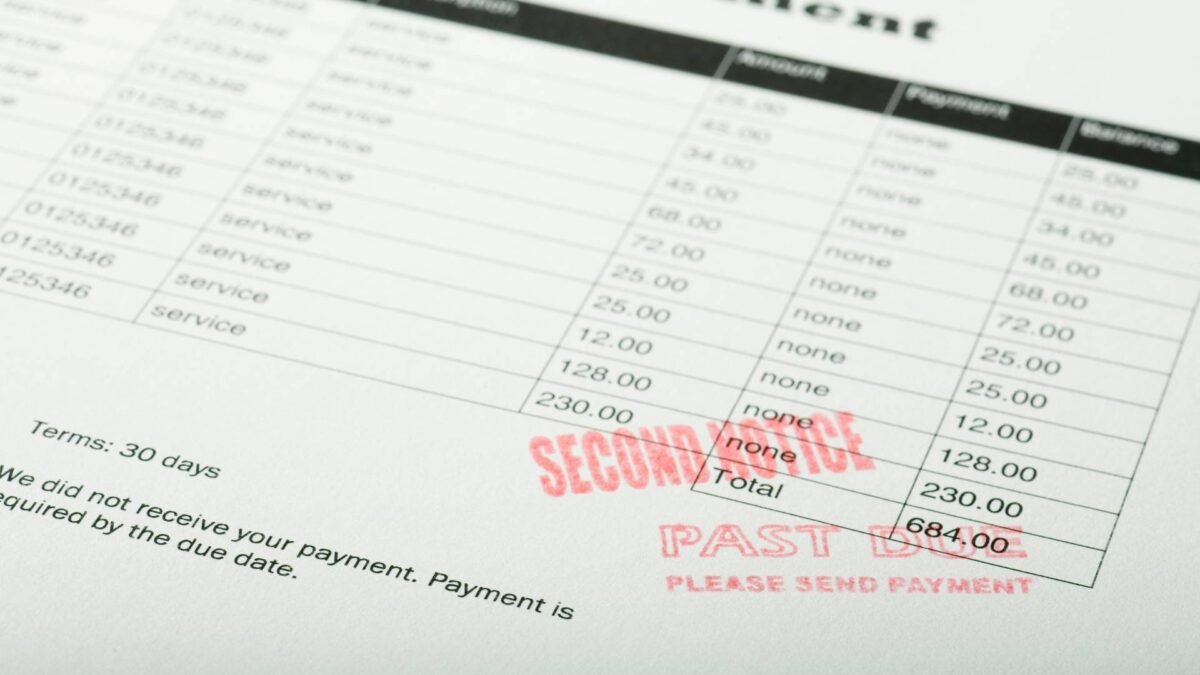
Few moments sour a working relationship faster than finished work followed by silence where payment should be. Anger feels justified, yet angry messages rarely loosen a reluctant payer, and giving up quietly teaches clients that your invoices carry no weight. Between those extremes sits a patient ladder: verify, remind, formalize, and escalate only when softer steps fail. Each rung protects both your income and your reputation with other clients watching.
Weighing a Gentle Chase Against Moving Too Fast
Start by weighing two honest risks against each other. Chase too softly and the invoice drifts to the bottom of the client pile, behind every louder demand, until the trail goes cold and the money quietly becomes a loss you absorb. Chase too hard and too fast, and you may win a payment while losing a client who simply had a genuine delay, a lost approval, or a staff change that swallowed your paperwork. Neither outcome is acceptable, which is why the sensible route is a ladder with clear rungs rather than a single leap from silence to threats.
The gentle approach has real strengths. A courteous reminder preserves goodwill, costs nothing, and very often works, because a large share of late payments come from disorder rather than dishonesty. Invoices get buried in inboxes, approvers go on leave, and payment runs happen on fixed days that your invoice narrowly missed. A polite note that restates the amount, the due date, and the work delivered gives a well meaning client an easy path to put things right. It also creates a written record that you acted reasonably, which matters greatly if the matter ever travels further.
The firmer approach has strengths of its own, and pretending otherwise would be dishonest. Clear deadlines, a stated next step, and a calm refusal to supply further work until the balance clears all signal that your business runs on terms rather than hopes. Some clients respect only that clarity. The drawback is timing: firmness used too early reads as aggression, while firmness used too late reads as an empty habit. The craft lies in escalating in visible stages, each one documented, each one a little more formal, so the client always knows what comes next and always has a chance to stop the climb by simply paying.
Checking the Paperwork Before Any Hard Conversation
Before any difficult conversation, audit your own side of the desk. Confirm the invoice reached the right person, carried the right amount, matched the agreed price, and showed a payment method the client can actually use. Check that the work was delivered as promised and that any acceptance, sign off, or delivery note is saved where you can find it. Guidance on business debt from the SBA encourages keeping signed agreements, proof of delivery, and copies of every reminder, because documentation decides weak cases. A chase built on a mistaken amount or a missing agreement collapses the moment the client checks, and it damages your credibility for every later step.
Many disputes trace back to vague paperwork agreed in a hurry, which is why writing a professional invoice and clear payment terms prevents trouble long before it starts and gives any later chase a firm, fair foundation. Read your original agreement again with fresh eyes. What did it say about payment timing, about deposits, and about late fees? If the contract allows a late fee, you may apply it exactly as written and say so plainly. If it says nothing about fees, do not invent one now; inventing charges after the fact undermines an otherwise strong position. What the paperwork promised is what you can firmly and lawfully ask for, no more and no less.
Once the paperwork checks out, assemble a tidy file before you write another word to the client. Gather the signed agreement, the invoice, proof of delivery, and every message exchanged about payment so far, arranged in date order. This file does three jobs at once. It lets you write reminders that cite exact dates and facts instead of vague feelings. It prepares you for mediation or a court filing without a frantic search later. And it steadies your own temper, because a person holding clear documents rarely needs to raise their voice. Facts, calmly arranged, do the persuading.
Formal Routes and What Each One Demands of You
With the file in order, move through the formal rungs in sequence. Send a brief, friendly reminder shortly after the due date passes, assuming an oversight. If silence follows, send a firmer second message that restates the amount, references the agreement, and names a specific date by which you need payment or a reply. After that, a final written notice before action is fair and professional: it states what is owed, what steps you have already taken, and what you will do next if payment does not arrive. Keep every message short, factual, and free of sarcasm, threats, or personal remarks. Each letter should be one you would be content for a judge or mediator to read aloud.
Where a contract allows late fees, apply them exactly as agreed and show the arithmetic clearly. Where it allows pausing further work, say calmly that new work waits until the balance is settled. These are lawful, professional levers because the client accepted them when signing. What you must never do is threaten harm, threaten exposure, harass with repeated calls at unreasonable hours, or misrepresent what the law allows. Consumer collection law restricts abusive tactics by third party collectors, and owners chasing their own invoices are likewise expected to stay truthful, documented, and free of harassment throughout. A clean record protects both your claim and your name.
Before court enters the picture, consider a neutral middle step. As the overview of mediation explains, the process brings in a neutral third party who helps both sides reach a voluntary settlement, often faster and at lower cost than a formal hearing. Mediation demands preparation and a genuine willingness to listen, and it may ask you to accept a payment plan or a small compromise instead of the full amount at once. Weigh that honestly: a slightly reduced sum paid reliably can be worth more than a perfect claim that takes a year to enforce. If the client refuses to engage at all, that refusal itself tells you the softer routes are exhausted.
Outside Help: Collectors, Mediators and the Courts
When letters and mediation fail, outside help remains, and each option demands something different from you. A mediator, arranged through a local service or court programme, needs your documents, your availability, and a clear statement of the least you would accept. A collection agency needs the same file plus a signed arrangement about its fee, which usually comes out of whatever it recovers, so read that agreement carefully and understand that agencies must follow the law on fair collection behaviour. Treat collections strictly as a last resort after your own documented efforts, not as a first response to a slow month.
Court is the final rung, and for modest sums it usually means the small claims track. As the reference entry on small claims court sets out, this is a simplified forum where individuals and small firms pursue modest sums without full litigation, with claim limits set locally and varying widely between states. That variation matters: check the limit and the filing rules where the claim belongs before assuming your amount fits. The process demands your organised file, a filing fee handled exactly as the court directs, proper notice to the client, and a clear, calm account of the agreement, the delivery, and the unpaid balance on the day.
Winning and collecting are two different events, and honest planning recognises that. A judgment in your favour confirms the debt, yet you may still need further steps to enforce it if the client keeps refusing. That reality is not a reason to avoid court when the sum justifies it; it is a reason to keep weighing cost, time, and likelihood of recovery at every rung. Throughout, keep your conduct spotless. No public shaming posts, no angry messages to the client contacts, no threats of any kind. The owner who stays measured is the owner other clients trust, and the owner a court takes seriously.
A Verdict on Escalating Slowly and Firmly
The verdict, after weighing both directions, is to escalate slowly in speed but firmly in structure. Begin warm, because most late payment is muddle rather than malice, and goodwill is worth money to a small business. Document everything from the first reminder, because memory fades and paper does not. Formalise in stages the client can see coming, apply only the fees and pauses your contract actually allows, and bring in a mediator before a courtroom whenever the client shows any willingness to talk. Reserve agencies and filings for genuine refusal, and pursue them calmly when that point truly arrives.
This ladder protects more than a single invoice. It trains your client base, gently and over time, to understand that your terms are real and your word is steady. Clients who pay well rarely resent a supplier whose process is clear and fair; the ones who drift away tend to be the ones whose custom cost you money anyway. Meanwhile your reputation with everyone watching, including future clients who hear how you handle trouble, grows stronger with every measured step.
Finally, let each hard case improve the system that produced it. Tighten the agreement, ask for a deposit where the work is large, shorten terms where risk is higher, and invoice promptly instead of letting finished work sit unbilled. Prevention will never catch every late payer, yet each improvement shrinks the number of ladders you need to climb. When a climb is unavoidable, you now have the order of the rungs: verify, remind, formalize, mediate, and only then litigate or hand over. Slow in temper, firm in sequence, lawful at every step. That combination recovers money without costing you the business name you worked so hard to build.


