
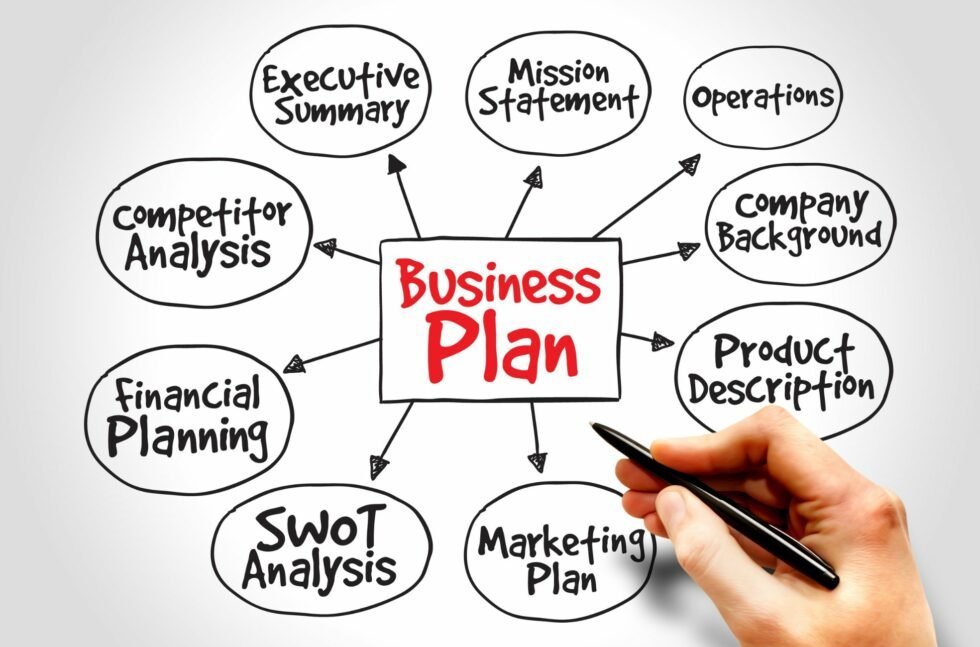
A single page sounds almost too small for a serious venture, yet lenders, partners, and busy owners all love a plan they can grasp in minutes. The trouble starts when that page tries to say everything and ends up saying nothing useful. Crammed paragraphs, vague promises, and missing money details sink plenty of attempts. Done well, one page forces sharp choices about buyers, offers, costs, and the very next moves you will take.
Where One Page Plans Usually Go Wrong
The most frequent weakness is a page that reads like a slogan sheet. Grand claims about quality, passion, and growth fill the space, while the reader learns nothing about who will pay, what they will pay for, or why they would choose this business over a rival. A plan that could describe almost any venture describes none of them well, and a reader who has seen hundreds of such pages spots the emptiness within seconds.
A second weakness is shrinking a long document instead of rethinking it. Owners squeeze in smaller writing, drop the spacing, and hide the overflow in appendices, as though the page limit were a formatting puzzle rather than a thinking exercise. The result looks dense and feels evasive. A genuine one page plan accepts the limit honestly. It leaves material out on purpose, and what remains earns its place by helping someone decide whether the idea holds together.
Money details go missing with remarkable regularity. A page may describe a product lovingly yet say nothing about price, regular costs, or how sales actually arrive. Without those pieces, nobody can judge whether the venture feeds itself or slowly drains savings. Enthusiasm is not a substitute for arithmetic, and readers who might fund or supply the business will quietly set an incomplete page aside rather than chase the missing figures.
Finally, many short plans end in fog. Phrases about building awareness or exploring opportunities sound busy but commit the owner to nothing that can be checked next month. When every action is vague, nothing can fail, and that is exactly the problem. A useful page names moves small enough to attempt soon and clear enough that the owner can later say, honestly, whether they happened and what they taught.
Deciding What Earns a Place on the Page
Start by deciding what the page is for. A plan written to guide the owner week by week needs slightly different emphasis from one written to reassure a lender or brief a partner, though the core facts stay the same. Write down, in plain words, the buyer, the problem, the offer, the price logic, the main costs, and the next few actions. Anything that does not sharpen one of those points is a candidate for the cutting floor.
Anyone unsure how much detail belongs on one page can study a fuller worked example about writing a business plan for a small bakery and borrow its bakery business plan template thinking, because a worked example shows which details survive when space is tight and which detail is decoration. Reading a complete plan for a familiar trade makes the judging easier. You see how a real owner handles suppliers, staffing, and slow seasons, and that sharpens your sense of what your own page cannot afford to skip.
Test every sentence with a simple question: would removing it change a decision? If a line merely repeats an earlier claim in warmer words, it goes. If a line carries a fact a reader needs, such as who the buyer is or what the work costs to deliver, it stays even when the wording feels plain. Plain is fine. A short plan is a working document, not a piece of advertising, and clarity beats polish at every turn.
Leave white space alone. Crowding is a sign that choices have not been made yet, and readers feel that uncertainty even when they cannot name it. A page with room to breathe signals an owner who knows what matters most. If a section keeps overflowing, the answer is rarely a smaller font. The answer is usually that the business itself has too many offers, too many audiences, or too many promises for its current size.
Saying Plainly Who Buys and Why
Name the buyer as a person with a situation, not as a broad label. Everyone, local families, or small businesses tells a reader almost nothing. A parent buying weekday meals near a school, a landlord needing quick repairs between tenants, or a clinic manager tired of unreliable suppliers all point toward real decisions about price, timing, and service. The narrower and truer the description, the more the rest of the page falls into place.
The problem deserves the same plain treatment. State what frustrates the buyer now, what they currently do about it, and what that workaround costs them in time, money, or worry. Then state the offer in a single breath: what they receive, how they receive it, and why it removes the frustration better than the workaround does. If that chain cannot be written simply, the offer itself may still be fuzzy, and the page has done useful work by exposing it.
A helpful way to check completeness is offered by the Wikipedia entry on business model canvas, which lays out nine building blocks, from customer segments and value propositions through channels and revenue streams to key resources, activities, partnerships, and cost structure, all fitted onto one page. You do not need to copy that layout. You do need to be sure your page touches the same ground, so that buyers, value, and the route to reaching them are all present rather than assumed.
Channels belong here too, stated without fantasy. Say where buyers will actually encounter the offer: a shop front, a referral from a trusted trade partner, a market stall, a simple website, or repeat orders from a short list of accounts. A channel you can genuinely work every week beats a grand channel you will never feed. Honest channels also keep the money section believable, because sales forecasts rest on how buyers really arrive.
Showing How Money Comes In and Goes Out
Revenue should be described as a mechanism, not a hope. State what is sold, how often a typical buyer returns, and how the price was chosen. Pricing logic can be brief and still be convincing: the cost of delivering the work, the time it takes, what rivals charge for something similar, and the margin the business needs to survive a quiet month. A reader who can follow the logic will trust the resulting figures far more than a bare total.
Costs need the same honesty, split between the regular outgoings that arrive whether sales happen or not and the costs that rise with each job or unit sold. Rent, insurance, software, and wages sit on one side. Materials, packaging, travel, and payment charges sit on the other. That split lets a reader see the sales level the business must reach before it covers itself, which is the single most useful money insight a short plan can carry.
The format choice matters here, and background from SBA guidance on writing a business plan sets out two broad approaches, a detailed traditional plan and a shorter lean startup version built for speed and easy revision as facts change. That contrast is a useful reminder that a single-sheet plan counts as a legitimate format rather than a shortcut, while also warning that some lenders will still ask for fuller projections beside any short summary. Know your reader, and be ready with the longer figures if they are requested.
Keep every figure on the page traceable to an assumption you can state out loud. If sales rest on a handful of regular buyers, say so. If costs assume the owner works unpaid for a stretch, say that too, because hidden assumptions surface eventually and damage trust when they do. A short plan with modest, explained figures will always read stronger than a short plan with impressive figures that nobody can follow back to their source.
Ending With Actions You Can Test Quickly
Close the page with a short run of near term actions, each one concrete enough to be checked. Speak to a set number of likely buyers, in words rather than figures if you prefer, and record what they say. Trial the offer with a small group. Confirm supplier prices in writing. Each action should produce evidence: a reply, an order, a refusal with a reason. Evidence turns the plan from a statement of hope into a tool that learns.
Sequence matters as much as selection. Put the cheapest tests first, the ones that can kill a weak assumption before money is spent on stock, premises, or equipment. A conversation costs an afternoon. A lease costs far more. Owners often reverse that order because premises feel like progress, but a page that lists actions in a sensible order shows a reader that risk is being retired step by step rather than all at once.
Give each action an owner and a rough time frame, even when the owner is simply you. Undated intentions drift, and drift is how a tidy page becomes a drawer ornament within a season. Review the page on a regular rhythm and revise it without ceremony. A lean plan is meant to be rewritten as the business learns, and crossings out are a sign of use, not failure. The page you revise honestly is worth far more than the page you framed.
Finally, read the finished page as a stranger would. Can that stranger say who buys, what they buy, why they choose it, how money moves, and what happens next? If yes, the page is doing the whole job its format promises. If any part blurs, the fix is rarely more words. It is a sharper choice, made by you, about what the business really is and what it will do next.
Keep the page somewhere visible while you work, not filed away as a finished performance. Its job is to be argued with, updated, and used, and a plan that stays in daily sight quietly shapes daily decisions in a way a forgotten document never can.


