
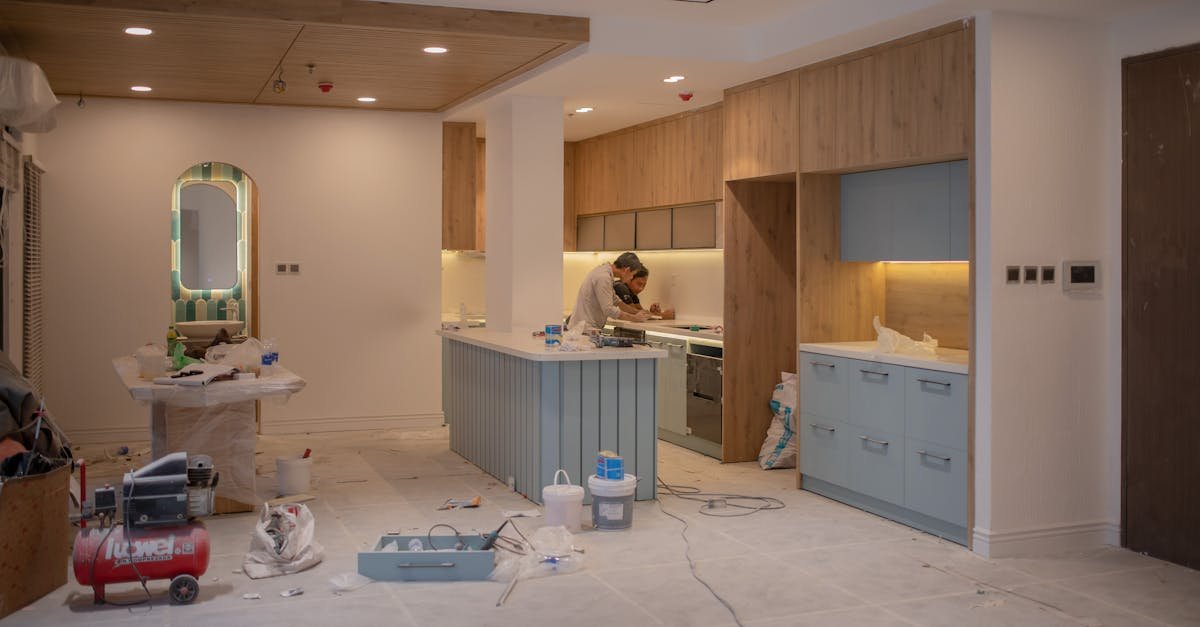
A tired kitchen often suffers from dull surfaces rather than broken bones, which means ripping everything out can be theatrical overspending. Cupboard fronts dominate the view, handles catch the eye daily, and poor lighting flattens even handsome materials. Changing those visible layers can shift the whole mood within weekends rather than months. Weigh effort against impact honestly, begin where eyes land first, and a modest refresh starts feeling like a reinvention.
Cabinet Colour and New Handles Weighed for Effort Against Impact
Cabinets occupy the largest share of what anyone sees on entering a kitchen, which is why changing their colour carries the highest impact of any modest intervention. Paint asks for patience rather than rare skill, since the work is mostly cleaning, degreasing, sanding lightly, priming, and applying thin coats with drying time respected between them. The effort is real and spreads across days, yet the cost stays low when weighed against replacement, and the transformation covers the whole room at once.
The case against painting is mostly about honesty. Paint cannot rescue swollen, warped, or badly damaged fronts, and a finish applied over grease or failing laminate will peel early and look worse than honest wear. Kitchens are steamy, splashy places, so preparation decides the result far more than the colour chosen at the shop. Anyone unwilling to clean and prime properly should expect disappointment, because shortcuts on cabinet surfaces announce themselves under daily light within a short time.
Handles punch far above their size in this weighing. Swapping handles is among the cheapest and fastest changes available, often finished in a single afternoon with a screwdriver, and new shapes and finishes sharpen every door and drawer they touch. The catch is measurement, since existing screw holes dictate what fits without drilling and filling, and a mismatched handle bought in haste turns a simple job into a fiddly one. Measure the spacing carefully before ordering anything at all.
Weighed together, cabinets and handles form the natural opening move. Colour delivers the large shift, handles deliver the crisp detail, and both respect the existing layout, plumbing, and appliances entirely. A refreshed front in a considered colour, finished with handles that suit it, can make counters and floors look better by association, which sometimes removes the urge to touch them at all and saves the largest spending for another year entirely.
Lighting and Backsplash Changes Weighed for Cost Against Visibility
Lighting changes how every other surface reads, which makes it unusually powerful for its cost. A single dim ceiling fitting flattens colour, greys food, and casts the workers own shadow across the board, while layered light at the work surface restores contrast and appetite to the room.
Light placed beneath wall cabinets earns special praise in this weighing, because illumination directed onto work surfaces reduces shadows cast by overhead fixtures and puts brightness exactly where knives and pans are handled. The wall those fittings light deserves equal attention, since anyone weighing the work involved in tile kitchen backsplash renewal on a budget knows the splash zone behind the cooker and sink is one of the surface changes visitors notice before almost anything else in the room. Strips and small fittings there cost modestly compared with rewiring a ceiling, and the improvement is felt at every meal preparation rather than only admired on entering. The effort sits in the middle range, since power access and neat fitting take care, yet the visibility gained is out of all proportion.
The backsplash shares a wall with that light and shares its visibility. Tiles, panels, or fresh paint in that band frame the whole cooking area, and because the area is small, even handsome materials stay within a modest outlay compared with flooring or counters. Reference writing on the kitchen presents it as a room centred on food storage and preparation, where work surfaces, storage, and appliances shape daily use, and the kitchen layout and daily use overview underlines how much of the room is task space that deserves proper light.
The honest cons deserve air. Lighting fitted badly glares, wiring touched carelessly is a safety matter rather than a style one, and a bold backsplash can date a room or fight the cabinet colour chosen earlier. Sequence protects against most of this, since light first reveals true colours, and the backsplash chosen afterwards can be judged under the light it will actually live in. Weighed as a pair, this section offers the strongest visibility per unit of spending in the entire refresh.
Counter and Floor Refreshes Weighed Against Full Replacement Work
Counters and floors cover the remaining large surfaces, and here the weighing turns sterner. Full replacement of either is disruptive, heavy, and easily the most expensive route in a kitchen, involving removal, disposal, and days without a working room. Refresh options exist precisely because that scale of work is hard to justify when the underlying surfaces are sound, level, and firmly fixed, however unfashionable their finish has become to current eyes.
Counter coverings, refinishing, and careful repainting of suitable surfaces sit at the modest end of the scale. They ask for thorough preparation and honest expectations, since a refreshed counter will not shrug off hot pans and knife work the way a new stone or solid surface might. Cabinetry offers a useful comparison here, because reference material describes fitted cupboards as a major visual and functional element in fitted kitchens, and the cabinetry construction and fitted cupboards overview shows how much of a kitchens character comes from its fitted elements rather than its loose ones.
Floors follow the same logic. Covering a sound floor with a new layer laid over it avoids the noise, dust, and cost of lifting the old one, and modern sheet, plank, and tile coverings tolerate kitchen life well when the base beneath is flat and dry. Where the base is uneven, damp, or damaged, covering merely hides a problem that will resurface, and the honest verdict changes. Inspection before affection is the rule, because a floor refresh succeeds or fails on what lies underneath it.
Weighed against full replacement, refreshes win on cost, speed, and waste by a wide margin, and lose on longevity and toughness by a smaller one. That trade suits a kitchen whose bones are good and whose owners want years of improved daily pleasure rather than decades of permanence. Replacement keeps its place for damaged, unsafe, or badly planned surfaces, but as a first response to mere tiredness it spends the most money where the eye was complaining the least loudly.
Clear Counters Careful Styling and Deep Cleaning for Almost Nothing
The cheapest section carries a warning label of its own, because almost nothing still asks for effort and honesty. Clearing counters changes a kitchen visibly within an hour, since most tired kitchens are not short of beauty but short of visible surface. Appliances used rarely, paper piles, and decorative clutter steal workspace and light, and removing them to cupboards or charity restores the calm proportions the room was built with, at no cost beyond decision making.
Deep cleaning follows close behind in value. Degreased cabinet fronts, descaled taps, polished steel, washed walls above the cooker, and grout scrubbed back toward its original colour together imitate a surprising share of what people admire in renovated rooms. The work is unglamorous and the materials are ordinary, yet the difference between a clean tired kitchen and a dirty tired kitchen is the difference between a room asking for paint and a room asking for rescue.
Styling finishes the effect with a light hand. A plant where light reaches, a bowl of fruit, one good board left out deliberately, curtains washed or swapped, and a rug runner in a colour that ties cabinets to floor all signal intention. Restraint matters here, because styling that crowds every surface recreates the clutter problem in prettier form. A few chosen objects on clear surfaces read as care, while many objects on crowded surfaces read as storage by another name.
The cons of this section are limits rather than risks. Cleaning cannot mend, clearing cannot recolour, and styling cannot relight a gloomy room, so these measures set a floor rather than a ceiling for the refresh. Their real gift is diagnostic, since a cleared and cleaned kitchen shows its genuine faults plainly. After a weekend of this work, many owners discover the needed changes are fewer and smaller than feared, and the money saved can be aimed precisely at what truly remains.
Verdict: Start With Cabinets Then Handles Then Light in That Order
The order matters because each step changes the conditions for the next. Cabinets come first since they hold the largest visual share and their new colour becomes the fixed fact that every later choice must suit. Painting them after choosing a backsplash or floor risks a clash discovered too late, while painting them first lets every following decision be judged against the rooms new centre of gravity, calmly and with samples held in real light.
Handles come second because they are fast, comparatively cheap, and complete the cabinet work into a finished statement. The same afternoon that fits them delivers the first full glimpse of the refreshed room, which sustains motivation for the stages that follow. Their finish can also bridge old and new, echoing taps or appliances that stay, so the room reads as designed rather than assembled from separate impulses across separate weekends of shopping.
Light comes third, ahead of the backsplash it illuminates and the counters it flatters. Fitting it after the cabinets avoids damage to fresh paint during installation, and judging it against the final cabinet colour avoids the trap of light that suited the old room. Once light is right, the backsplash decision becomes easy to make with confidence, and the counter and floor questions can be weighed with clear eyes about whether they need money spent on them at all.
So the sequence stands as cabinets, then handles, then light, with cleaning and clearing done before all three and the backsplash following naturally in their wake. Counters and floors wait at the end of the queue, refreshed only where inspection proves them sound and only where the earlier work has failed to satisfy. Followed honestly, that order spends the least where impact is greatest, keeps the kitchen working throughout, and turns a tired room cheerful in weekends rather than surrendering it to months of upheaval.


2 comments