
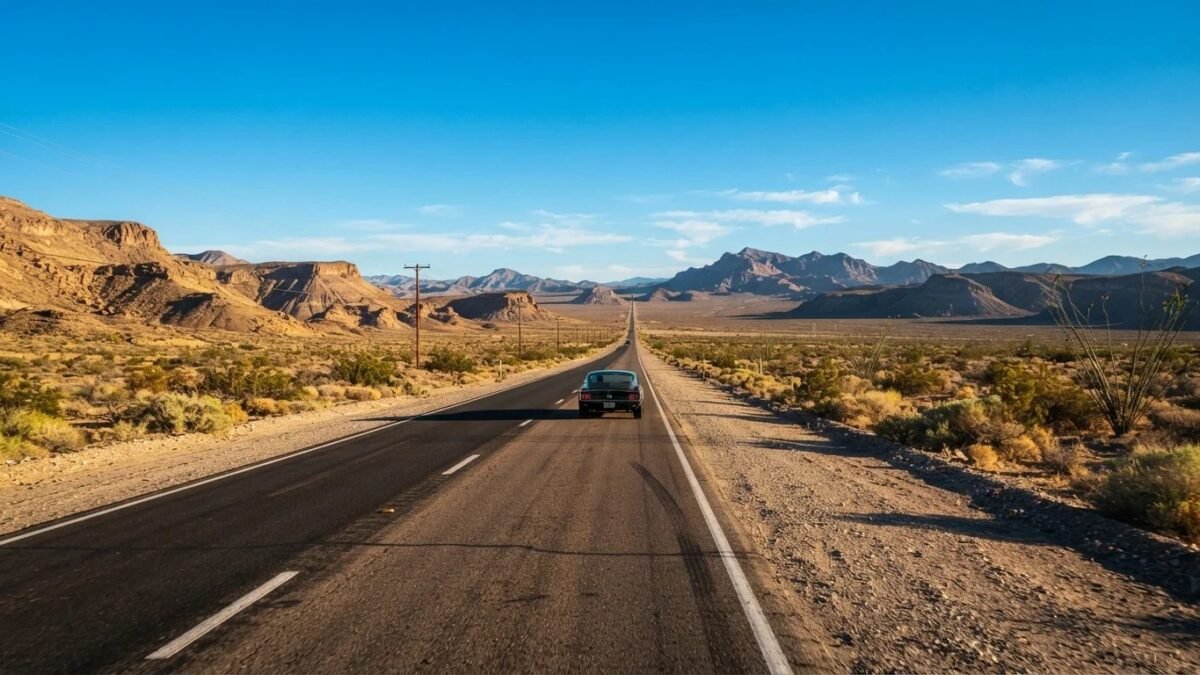
A long drive across the United States promises freedom, yet costs creep in quietly: fuel stops, roadside rooms, diner meals and tolls nibbling at the budget mile after mile. Unplanned, the journey can swallow far more than the scenery deserves. Planned with a cooler, a sensible route and a mixture of campsites and modest rooms, the same adventure stays generous without feeling stingy. The trick lies in cutting waste, never wonder.
Counting the True Cost Before Choosing a Route
Every cross country budget rests on five piles: fuel, beds, food, road charges, and the small extras that gather around any long journey. Fuel depends on distance, the appetite of the vehicle, and how much wandering the route allows. Beds depend on the mixture chosen each night. Food depends on how often the cooler does the cooking. Writing rough figures beside each pile before departure turns a vague hope into a plan that can survive contact with real prices.
Distance deserves honesty first. A direct crossing and a scenic crossing are different journeys with different fuel bills, and detours to parks, coastlines, and friends homes add miles that are easy to forget at the planning table. Sketch the route, total the miles including the detours you know you will take, then add a margin for the ones you have not thought of yet. Fuel estimated from that honest total rarely shocks anyone later.
Comfort belongs in the count as well, because misery is expensive in its own way. Tired, overheated drivers make poor decisions, book the first room they see, and eat wherever the car stops. Planning what everyone wears through long hours behind the wheel sounds minor until the third hot afternoon, which is why advice on how to dress comfortably for a road trip earns a place in a budget conversation: cool, rested travellers simply spend less on impulse fixes.
The vehicle itself is the last item in this section and the one most often skipped. Tyres with life left in them, fluids checked, a spare that actually holds air, and basic tools in the boot cost little at home and a great deal at a remote garage. Motoring organisations repeat this advice because roadside repairs far from a town combine high prices with no alternatives. An hour of preparation before departure is the cheapest insurance on the whole journey.
Sleeping Options From Free Land to Motel Beds
Beds are the largest lever in the budget, and the range of options is wider than most travellers realise. At the free end, public land across many western states allows dispersed camping in national forests and managed desert areas, under set conditions about distance from roads and water and length of stay. Facilities are minimal or absent, the silence is total, and for travellers carrying simple camping gear these nights cost nothing but the effort of finding a legal, level spot before dark.
Paid campgrounds sit one step up: state parks, park service sites, and private grounds offering a marked pitch, water, and washing facilities for a modest nightly fee. Popular park campgrounds fill early in the season and reward booking ahead, while smaller state sites often keep room for arrivals. These nights keep the outdoor feeling of the journey while removing most of its uncertainty, and they suit travellers who like a shower at the end of a dusty day.
Modest motels form the third tier, and their value is strategic rather than nightly. A real bed, laundry facilities, and a long shower every few nights restore the travellers who then happily return to camping. Roadside towns along older routes often hold independent motels at fair prices, kept by owners who understand road travellers well. The classic shape of the journey explains the supply: the summary at Wikipedia calls a road trip a long distance journey travelled by road, shaped by scenery, towns, and personal interests, and generations of such journeys built the motel strips that still serve them.
Nights with friends and relatives, where the route allows them, cost nothing and add something no motel sells: local knowledge, a home cooked meal, and a washing machine. The sensible pattern mixes all four tiers across the journey. Camping carries the cheap nights, one or two motel stays carry recovery, and the average nightly cost lands far below an all motel crossing without ever feeling like a punishment tour.
Feeding Two Travellers From a Cooler Kitchen
Food is the second lever, and the cooler is the tool that moves it. A solid cooler, restocked at ordinary supermarkets every few days, turns the car into a small kitchen: bread and fillings for sandwiches, fruit that travels well, cheese, yoghurt, nuts, and drinks bought at shelf prices instead of roadside prices. Picnic lunches at overlooks and rest areas beat most diners on view alone, and breakfast eaten at a campsite starts the day without a bill.
A small camp stove widens the menu further for very little money. Hot drinks in the morning, simple pasta or rice dishes in the evening, and warmed leftovers on cold nights make campsite cooking feel like a choice rather than a ration. The stove earns its space in the boot within the first few days, and it keeps restaurant spending reserved for meals that genuinely deserve it.
Those meals matter, and a budget that bans them entirely misunderstands the journey. Regional food is part of the geography: barbecue in one state, green chile dishes in another, seafood near the coasts, bakery breakfasts in small towns that have baked for generations. Choosing one proper restaurant meal on most days, often at lunch when menus run cheaper, keeps the food story of the trip rich while the cooler quietly carries the other two meals.
Snacking discipline finishes the system. Fuel stations sell expensive grazing to tired people, and a day of small purchases there can quietly equal a restaurant meal. Keeping journey snacks inside the cooler, bought at supermarket prices, removes that leak. Water deserves the same treatment: refillable bottles filled at campgrounds and motels keep hydration free, which matters across hot desert stretches where bottled water is priced for the desperate.
Routes Compared for Tolls Scenery and Lodging Prices
Routes differ in cost as much as in scenery. Southern crossings on the great east west corridors largely avoid toll roads, while northern and eastern routes can accumulate serious toll charges through a chain of turnpikes and bridges. The fast skeleton of any crossing is the network Wikipedia maps as the Interstate Highway System of controlled access highways, built for rapid long distance driving, and using it for the plain stretches while leaving it for the interesting ones balances time, fuel, and pleasure better than either extreme.
The historic middle routes carry their own economy. Towns along the old highway corridors grew up serving road travellers, and many still offer independent motels, diners, and fuel at prices set for people driving through rather than flying in. Driving is slower than the interstate, days cover fewer miles, and the journey gains the main street America that the fast road deliberately bypasses. For travellers whose budget values experience per day over distance per day, that trade can be the right one.
Northern routes through the great parks deliver the famous scenery and the famous prices to match. Gateway towns near major parks charge summer rates for every bed within reach, groceries cost more, and fuel climbs with altitude and distance from supply routes. The same crossing in the shoulder seasons, spring or early autumn, softens those prices considerably and thins the crowds as a bonus, though high country weather demands respect and flexible plans.
Timing, finally, is a route decision in disguise. Summer weekends near any beloved landscape are the most expensive nights of the year, while weekday nights in the same towns can cost noticeably less. Planning long driving days early in the week and parking the journey somewhere beautiful over the weekend in a campsite reverses the usual pattern, putting the travellers in cheap beds when prices peak and on the road when rooms go begging.
Recommendation The Spending Mix That Protects the Journey
The mix that works for most pairs of travellers is now easy to state. Camp often, using free public land where legal and paid sites where facilities matter. Book a modest motel every few nights for sleep, laundry, and morale. Cook from the cooler twice a day and spend the restaurant money once, deliberately, on food the region is proud of. Choose routes for scenery first and tolls second, but count both before the wheels turn.
Keep a contingency slice untouched. Something on a long crossing always costs more than planned: a tyre, a detour, a night when rain makes the tent a misery and a motel becomes wisdom rather than weakness. A budget with a reserve absorbs those moments without raiding the food or fuel piles, and the journey stays generous because one surprise cannot poison the days that follow it.
Track spending lightly as you go. A notebook in the glove box, a few lines each evening, catches drift while drift is still cheap to correct. Most overspending on the road is not one large mistake but a slow leak of small ones, and small leaks are exactly what a nightly glance reveals. Awareness, not austerity, is what keeps the totals honest.
Judged at the end, the successful budget is the one nobody remembers resenting. The scenery got its days, the regional dishes got their afternoons, sleep stayed decent, and the fuel gauge never became a source of dread. Cut waste wherever it hides, in tolls, in snacks, in rooms booked in panic, and protect the spending that is the journey itself. That balance, more than any single saving, is what makes a long American crossing feel rich at a modest cost.
Sharing the driving protects the budget as surely as sharing the costs. A rested driver notices the cheaper fuel station, reads the toll signs in time to choose, and resists the exhausted impulse to stop at the first glowing vacancy sign. Swapping seats every few hours keeps both travellers alert enough to enjoy the cheap options they planned, rather than paying extra for the nearest ones. Rest, treated as a line in the budget, quietly pays for itself across every remaining mile.


One comment