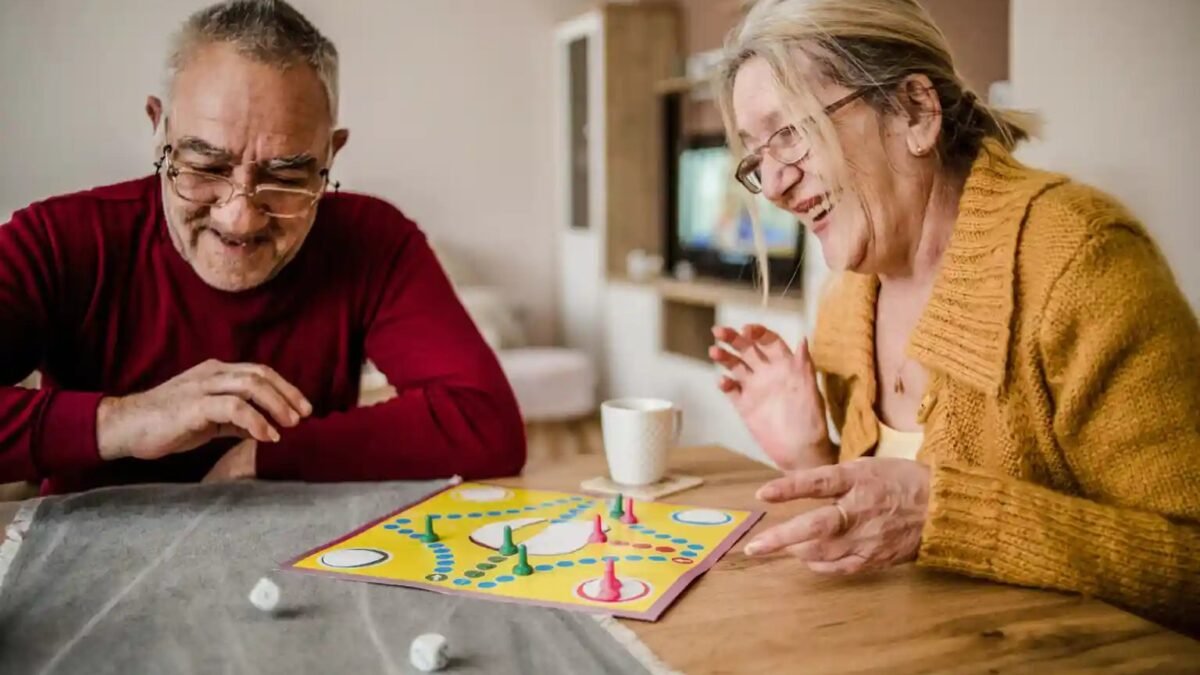
Screens make evenings easy and strangely forgettable. A cardboard box on the table does the opposite: it deals out rivalry, teamwork, laughter, and small triumphs that couples keep retelling for weeks. Choosing well matters, though, because a shelf of mismatched boxes gathers dust while a handful of loved designs returns constantly. Weighing dedicated duels against cooperative adventures and party favourites helps two players build a collection matched to their moods.
Judge each candidate by mood, sharpness, and staying power. Does it suit tired weeknights as well as lively weekends? Do you both enjoy its flavour of contest? Will the puzzle still interest you once novelty fades? The categories below weigh strengths against honest trade offs.
Dedicated Duels Built Purely for Pairs: Strengths and Trade Offs
Designs made only for two give the tightest contests, because every rule assumes one opponent whose plans you can study. The trade off is exposure: defeats land personally, with no ally to hide behind, so season this category with gentler picks if direct friction wears thin.
The first game is Patchwork, a calm contest about stitching a quilt from odd shaped pieces paid for with buttons and time. Every purchase reshapes what fits later. Couples wanting drama may find it almost meditative.
The second game is Jaipur, a brisk trading contest about collecting goods, selling sets at shrewd moments, and handling camels wisely. Watching your partner grab cards you wanted creates delicious tension. Rounds end quickly enough for rematches, although luck can sting in short rounds.
The third game is Seven Wonders Duel, a weightier duel about building a civilisation through drafted cards, with sudden scientific or military victories to guard against. Every choice hands the remaining card to your rival, so decisions feel exposed. Depth rewards study, though the steeper teach suits couples who enjoy being outwitted.
The fourth game is Hive, an abstract contest played with insect tiles and no board, where victory means surrounding the opposing queen. Pieces move by creature, and the structure grows on any table. It travels beautifully and feels chesslike in purity, although no luck softens a mistake.
The fifth game is Onitama, a serene martial arts contest on a small grid where movement cards pass between players after use. A card you spend becomes available to your opponent, so every strong move lends future power across the table. Rounds stay brief, though its calm may underwhelm couples preferring noise and drama.
The sixth game is Lost Cities, a hand management contest about funding expeditions by laying cards in rising order after daring early commitments. Starting an expedition you cannot yet support feels reckless and thrilling, while emptying a weak hand teaches discipline. Scoring takes practice, yet decisions stay clean and tense.
The seventh game is Schotten Totten, a tactical card contest where small formations battle across a line of boundary stones, with poker style combinations deciding each claim. Bluff and timing matter as much as the cards dealt. Partners who dislike direct bluffing may prefer the gentler puzzles earlier here.
Larger Designs That Shine With Only Two Players
Celebrated designs built for bigger tables often reveal their sharpest form as duets, when every move lands on one opponent and no downtime stretches. Variety and beauty are the strengths here. The trade off is the occasional loose corner where a rule clearly imagines more seats at the table.
The eighth game is Azul, a tile drafting design about composing a mosaic from shared factories. With two, every taken tile denies the other directly, turning a pretty pastime into a polite argument. Partners who hate ruined patterns should agree that obstruction counts as fair play.
The ninth game is Carcassonne, a landscape building classic where drawn tiles extend roads, cities, and fields, and wooden followers claim each growing feature. At two it becomes a territorial duel in pleasant silence. Luck of the draw can frustrate planners, yet that same luck keeps a newer player within reach.
The tenth game is Splendor, an engine building contest about gathering gems, buying developments, and converting modest early purchases into a smooth scoring machine. Turns stay snappy and choices compound satisfyingly. Interaction is indirect, so couples wanting confrontation or cooperation may find it solitary, while parallel optimisers happily replay it.
The eleventh game is Ticket to Ride, a route building favourite about claiming railway lines across a map to complete secret destination cards. With two, blocked routes genuinely hurt. Sessions run long, suiting weekends, and a sore loser may brood over one severed connection.
The twelfth game is Dominion, the deck building design where each match assembles a fresh market of action cards, so a humble starting deck grows into whatever strategy the table offers. Variety between sessions is its towering strength. Bookkeeping creates a learning curve, rewarding couples willing to climb together.
The thirteenth game is Wingspan, a gentle engine builder themed around birds, their habitats, and the small powers each card grants as rows fill. Competition stays soft and real bird knowledge flavours every session. Deliberate players may find turns slow when combinations chain, but couples valuing atmosphere over aggression return to it constantly.
Cooperative Challenges Where Partners Win Together
Cooperation changes the emotional contract completely. Victory belongs to the pair, defeat blames the puzzle, and discussion replaces rivalry, a safe harbour during stressful seasons. Its weakness is the dominant partner problem, solved by leaving decisions with whoever holds the turn.
The fourteenth game is Pandemic, a cooperative design about specialists racing around a world map to treat outbreaks and assemble cures before pressure overwhelms the board. Distinct role powers encourage genuine joint planning, and defeats usually arrive theatrically close. Its tension can feel like work, yet few designs teach teamwork as memorably.
The fifteenth game is Codenames Duet, a word association challenge where partners exchange one word clues connecting several hidden agents while avoiding the assassin card. It exposes how differently two minds group language, producing triumph and helpless laughter in equal measure. Couples improve simply by knowing each other better, though mismatched vocabularies can strand a round.
The sixteenth game is The Crew, a cooperative trick taking adventure themed around a space voyage, where missions assign specific tricks to specific players under strict limits on talking. Silence becomes a language as partners learn to signal through card choices alone. Escalating missions suit short sessions, although trick taking sceptics may stay unconverted.
The seventeenth game is Gloomhaven Jaws of the Lion, a campaign adventure of tactical combat in a fantasy city, where characters grow across linked scenarios. It offers the deepest shared project here, closer to a television season than an evening. That ambition demands commitment and patience.
The eighteenth game is Spirit Island, a substantial cooperative design where island spirits with very different powers defend their home against spreading invaders. Two spirits combining strange gifts produces stories couples recount for days. New players can freeze under its options, so experienced pairs seeking a long term climb thrive here.
The nineteenth game is Hanabi, a tiny cooperative card challenge about building firework displays while holding cards facing outward, so everyone sees your hand except you. Limited clues force trust, memory, and careful reading of a partner’s hints. Few boxes deliver so much in so little cardboard, although silence rules frustrate chatty couples.
Lighthearted Picks for Double Dates and Guests
Guests change the brief entirely: rules must teach in minutes and laughter outranks mastery. Playful prompts that get party guests talking show how wordplay warms up a group before the boxes even open, and borrowing a few lively conversation starters for parties keeps the room loose between rounds. Keep snacks near and scoring relaxed.
The twentieth game is Wavelength, a party design about placing a marker along a hidden spectrum, then debating where a clue belongs. Rounds generate arguments guests continue in the kitchen. It depends on talk, so shy groups warm slowly, yet disagreements stay affectionate.
The twenty-first game is Just One, a cooperative word challenge where everyone writes a single clue for a guesser and identical clues cancel each other out. That rule produces agonised, hilarious second guessing, and mixed ages play together gracefully. Repetition across a long evening is its weakness, so it shines brightest as an opener or closer.
The twenty-second game is Telestrations, a drawing and guessing chain where a written phrase becomes a sketch, then a fresh guess, then another sketch, mutating joyfully along the way. Artistic skill is funnier when absent, which levels the field for nervous guests. Chains need enough players to surprise, suiting fuller tables best.
The twenty-third game is Dixit, a storytelling design built around dreamlike illustrated cards, where a poetic clue must be neither too obvious nor too obscure for fellow players. It rewards imagination, and the artwork alone earns shelf space. Competitive scorers may find its softness unsatisfying, while hosts seeking beauty and conversation reach for it gladly.
The twenty-fourth game is Dobble, a rapid pattern matching challenge where any two cards share exactly one symbol and everyone races to spot it first. Teaching takes under a minute, making it a reliable bridge between dinner and something longer. Speed can intimidate slower guests, and one sharp eyed regular should not dominate every round.
The twenty-fifth game is Anomia, a fast talking card challenge where matching symbols suddenly demand a quick example from a category, and the table erupts. It thrives on noise, confidence, and the comedy of a mind going blank under pressure. That makes it a glorious finale for lively groups and a poor choice for a household winding down.
Definitions help when guests ask why these count as the real article rather than video diversions. As the standard reference summary describing board games and their moving pieces sets out, play of this kind involves counters or pieces handled across a premarked surface under agreed rules, covering everything from tiled mosaics to claimed railway lines. That shared physical presence is the quality screens struggle to imitate.
Verdict: Build a Small Shelf Around Your Shared Tastes
The verdict favours balance over bulk. Start with one dedicated duel for sharp weeknight contests, one larger design for slower weekends, one cooperative box for evenings when winning together feels kinder, and one party favourite ready for guests. That spread covers nearly every mood, and a small shelf in constant use beats a wall of neglected cardboard.
Cooperation deserves the closing word because it changes what an evening together is for. Reference notes on cooperative board games and shared goals explain that players in such designs work toward one common aim rather than against one another, and couples feel that difference immediately: planning becomes conversation, setbacks become shared jokes, and victory belongs to the household. Rotate categories as tastes reveal themselves, and replace whatever gathers dust without guilt.